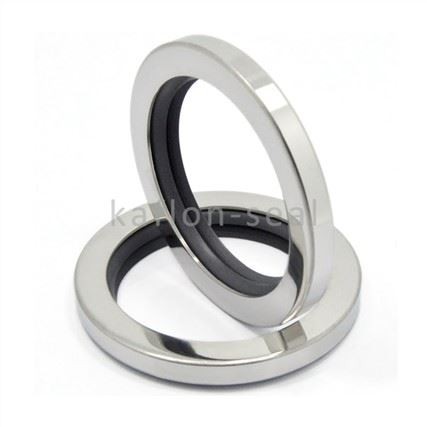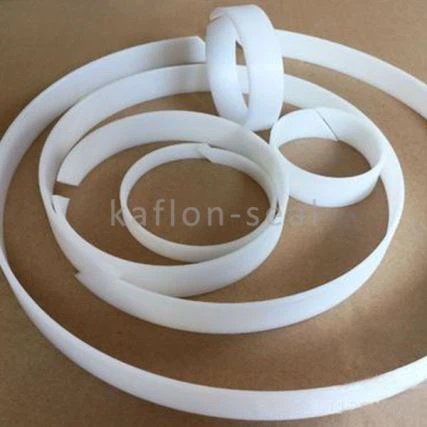

Hey there! I'm a supplier of Pom Guide Rings, and today I wanna talk about a question that often pops up: Do Pom Guide Rings make noise?
First off, let's quickly understand what Pom Guide Rings are. POM, or Polyoxymethylene, is a high - performance engineering plastic. Pom Guide Rings are used in various mechanical and hydraulic systems. They play a crucial role in guiding moving parts, ensuring smooth operation, and reducing wear and tear. They're kind of like the silent heroes in these systems, working behind the scenes to keep everything running smoothly.
Now, onto the big question: noise. In an ideal scenario, Pom Guide Rings shouldn't make any noise. They're designed to fit snugly and move smoothly within the system. The material properties of POM contribute to this. POM has a low coefficient of friction, which means that when the guide ring is in contact with other components, there's less resistance and less chance of generating noise.
Let's take a look at the environments where Pom Guide Rings are commonly used. In hydraulic systems, for example, they're used to guide pistons. These systems are often under high pressure, and the smooth movement of the piston is essential. If the Pom Guide Ring is of good quality and properly installed, it should glide along the piston rod without making a peep. The same goes for other mechanical systems where they're used to guide shafts or other moving parts.
However, there are situations where Pom Guide Rings might make noise. One of the main reasons could be improper installation. If the ring isn't installed correctly, it might be misaligned. This misalignment can cause uneven pressure distribution, leading to increased friction in certain areas. When there's more friction, it can result in a squeaking or grinding noise. For instance, if the ring is tilted during installation, it won't move smoothly, and you'll start to hear those unwanted sounds.
Another factor that can contribute to noise is wear and tear. Over time, as the Pom Guide Ring is used, it can start to degrade. The surface of the ring might get scratched or worn down. These irregularities can cause it to rub against other components in a way that generates noise. It's like when your car tires start to wear unevenly; you'll hear a strange noise while driving.
Contamination can also be a culprit. If there are dirt, dust, or other foreign particles in the system, they can get trapped between the Pom Guide Ring and the moving part it's guiding. These particles can act like tiny abrasives, increasing friction and causing noise. In a hydraulic system, for example, if the hydraulic fluid isn't clean, it can carry contaminants that affect the performance of the guide ring.
Now, let's compare Pom Guide Rings with some other types of guide rings, like PTFE Guide Rings. PTFE (Polytetrafluoroethylene) guide rings also have a low coefficient of friction, but their material properties are different from POM. PTFE is more flexible and has better chemical resistance in some cases. However, in terms of noise, both can be quiet if installed and maintained properly. But POM guide rings are often more rigid, which can be an advantage in some high - pressure applications where precise guiding is required.


When it comes to choosing between different types of guide rings, it's important to consider the specific requirements of your system. If you're working in a hydraulic system, you might also want to look at POM Hydraulic Wiper. These wipers are used to keep contaminants out of the system, which can indirectly help in reducing noise from the guide rings.
As a supplier of Pom Guide Rings, I can tell you that we take great care in manufacturing these rings. We use high - quality POM materials and strict quality control processes to ensure that our rings are of the best possible quality. But even the best - made products need proper installation and maintenance to perform at their best.
If you're experiencing noise from your Pom Guide Rings, here are some steps you can take. First, check the installation. Make sure the ring is properly seated and aligned. If it's misaligned, carefully remove and reinstall it. Second, inspect the ring for signs of wear. If it's worn out, it might be time to replace it. And third, check the system for contamination. Clean the system and make sure the hydraulic fluid or lubricant is clean.
In conclusion, while Pom Guide Rings aren't supposed to make noise, there are several factors that can cause them to do so. By understanding these factors and taking the right steps, you can keep your Pom Guide Rings running quietly and efficiently.
If you're in the market for high - quality Pom Guide Rings, or if you have any questions about their use, performance, or installation, don't hesitate to reach out. We're here to help you find the best solution for your needs. Whether you're a small - scale manufacturer or a large industrial company, we can provide you with the right products and support. So, let's start a conversation and see how we can work together to keep your systems running smoothly.
References
- Engineering Plastics Handbook: Covers the properties and applications of POM and other engineering plastics.
- Hydraulic System Design and Maintenance Manual: Discusses the role of guide rings in hydraulic systems.
- Mechanical Engineering Textbooks: Provide in - depth knowledge about the use of guide rings in mechanical systems.