


Polyurethanes seals are widely used in various industries due to their excellent mechanical properties, flexibility, and durability. One of the critical aspects that users often inquire about is their resistance to acids and alkalis. As a supplier of polyurethanes seals, I've encountered numerous questions regarding this topic. In this blog, I'll delve into the details of whether polyurethanes seals are resistant to acids and alkalis, exploring the influencing factors, performance in different scenarios, and how our products fare in these challenging environments.
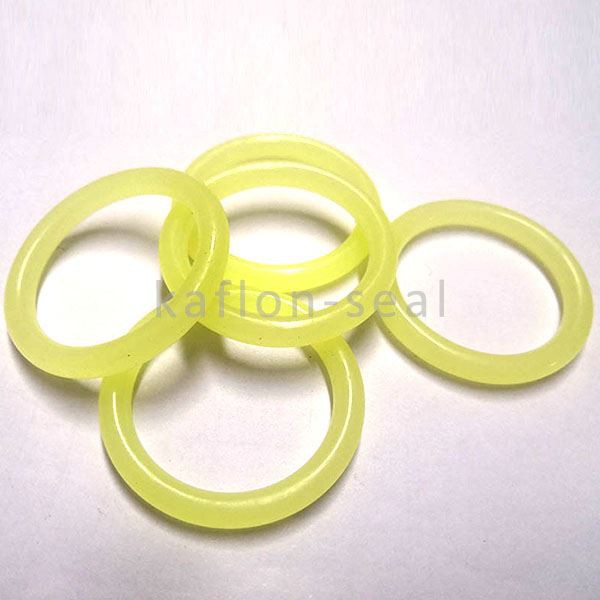

Understanding Polyurethanes Seals
Polyurethanes are a class of polymers formed by the reaction between a polyol and a diisocyanate. The resulting material can have a wide range of properties depending on the specific formulation and manufacturing process. Polyurethanes seals are known for their high abrasion resistance, good elasticity, and excellent tear strength. They are commonly used in applications such as automotive, aerospace, hydraulic systems, and industrial machinery to prevent the leakage of fluids and gases.
Chemical Resistance of Polyurethanes Seals
The chemical resistance of polyurethanes seals to acids and alkalis is not a straightforward matter. It depends on several factors, including the type of polyurethane, the concentration and temperature of the acid or alkali, and the duration of exposure.
Type of Polyurethane
There are different types of polyurethanes, each with its own chemical structure and properties. For example, polyester-based polyurethanes are generally less resistant to hydrolysis compared to polyether-based polyurethanes. Hydrolysis is a chemical reaction in which water breaks down the polymer chains, and it can be accelerated in the presence of acids or alkalis.
Polyurethane with Resistant to Hydrolysis is a type of product we offer that is specifically designed to withstand the effects of hydrolysis. It is more suitable for applications where the seal may be exposed to water or moisture in addition to acids or alkalis.
Concentration and Temperature
The concentration and temperature of the acid or alkali solution play a significant role in determining the resistance of polyurethanes seals. In general, higher concentrations and temperatures can accelerate the chemical reaction between the polyurethane and the acid or alkali, leading to faster degradation.
For example, a polyurethane seal may be able to withstand a dilute acid solution at room temperature for an extended period without significant damage. However, if the concentration of the acid is increased or the temperature is raised, the seal may start to show signs of swelling, softening, or loss of mechanical properties.
Duration of Exposure
The longer the polyurethane seal is exposed to an acid or alkali, the greater the potential for damage. Prolonged exposure can cause the polymer chains to break down, leading to a loss of elasticity, strength, and sealing performance.
It's important to note that even if a polyurethane seal shows good resistance to an acid or alkali in short-term tests, it may not be suitable for long-term exposure in a real-world application. Therefore, it's crucial to consider the expected duration of exposure when selecting a polyurethane seal for a particular application.
Performance in Different Acid and Alkali Environments
Let's take a closer look at how polyurethanes seals perform in different acid and alkali environments.
Acid Resistance
Polyurethanes seals can exhibit varying degrees of resistance to different types of acids. Weak acids, such as acetic acid and citric acid, generally have a lower impact on polyurethanes compared to strong acids like sulfuric acid and hydrochloric acid.
In some cases, polyurethanes seals can withstand exposure to weak acids for extended periods without significant damage. However, strong acids can cause rapid degradation of the polyurethane, leading to swelling, discoloration, and loss of mechanical properties.
For example, in an automotive cooling system, the coolant may contain small amounts of acids. A polyurethane seal used in this application needs to have good acid resistance to ensure long-term performance. Our High Wear Resistance CPU Seal is designed to provide excellent resistance to a wide range of chemicals, including weak acids, making it suitable for such applications.
Alkali Resistance
Similar to acid resistance, the alkali resistance of polyurethanes seals depends on the type and concentration of the alkali. Weak alkalis, such as sodium bicarbonate and ammonium hydroxide, are generally less aggressive towards polyurethanes compared to strong alkalis like sodium hydroxide and potassium hydroxide.
Polyurethanes seals may be able to withstand exposure to weak alkalis for a certain period. However, strong alkalis can cause the polyurethane to undergo hydrolysis, leading to the breakdown of the polymer chains and a loss of sealing performance.
In industrial applications where the seal may be exposed to alkaline solutions, such as in a chemical processing plant, it's essential to select a polyurethane seal with high alkali resistance. Our Polyurethane Filled With Solid Lubricants is formulated to provide enhanced chemical resistance, including resistance to alkalis, ensuring reliable performance in harsh environments.
Our Solutions for Acid and Alkali Resistance
As a supplier of polyurethanes seals, we understand the importance of providing products that can withstand the challenges of acid and alkali environments. We offer a range of polyurethane seals with different chemical resistance properties to meet the diverse needs of our customers.
Our research and development team is constantly working on improving the chemical resistance of our products. We use advanced manufacturing techniques and high-quality raw materials to ensure that our polyurethane seals have excellent resistance to acids and alkalis.
In addition to providing standard products, we also offer custom solutions. If you have specific requirements for acid or alkali resistance in your application, our technical experts can work with you to develop a tailored polyurethane seal that meets your exact specifications.
Contact Us for Your Polyurethanes Seal Needs
If you're in the market for polyurethanes seals with excellent acid and alkali resistance, look no further. Our team of experts is ready to assist you in selecting the right product for your application. Whether you need a standard seal or a custom solution, we have the expertise and resources to meet your needs.
Don't hesitate to reach out to us to discuss your requirements and start a procurement negotiation. We're committed to providing you with high-quality products, competitive prices, and excellent customer service.
References
- "Polyurethanes: Chemistry, Technology, and Applications" by Oertel, Gerhard
- "Handbook of Elastomers" by Kutz, Myer
- "Rubber Seals and Sealing Technology" by Bayer, Manfred





