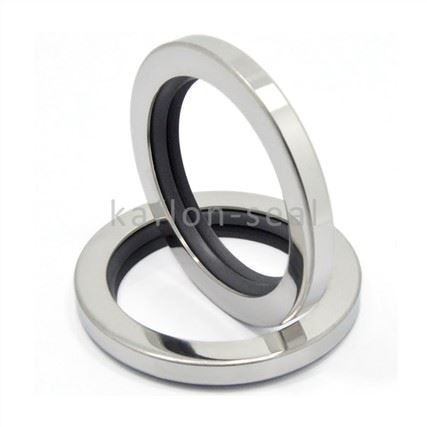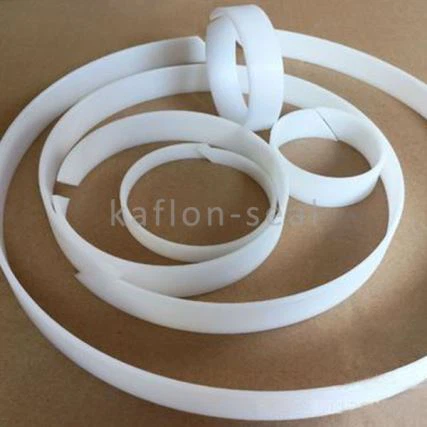

What are the differences when using hydraulic seals in pneumatic systems?
As a seasoned supplier of hydraulic seals, I've witnessed firsthand the complexities and nuances that come with using these components in different systems. One common question that often arises is about the differences when using hydraulic seals in pneumatic systems. In this blog post, I'll delve into the key distinctions and considerations that you need to be aware of.
1. Fluid Properties
The most fundamental difference between hydraulic and pneumatic systems lies in the working fluids. Hydraulic systems use liquids, typically hydraulic oil, while pneumatic systems use gases, usually air. This disparity in fluid properties has a profound impact on the performance of seals.
Viscosity: Hydraulic oils have a much higher viscosity compared to air. High - viscosity fluids provide better lubrication for seals, reducing friction and wear. In a hydraulic system, the seal can glide smoothly along the sealing surface due to the lubricating film formed by the oil. On the other hand, air has extremely low viscosity, which means that seals in pneumatic systems may experience more direct contact with the sealing surface, leading to increased friction and potentially faster wear.
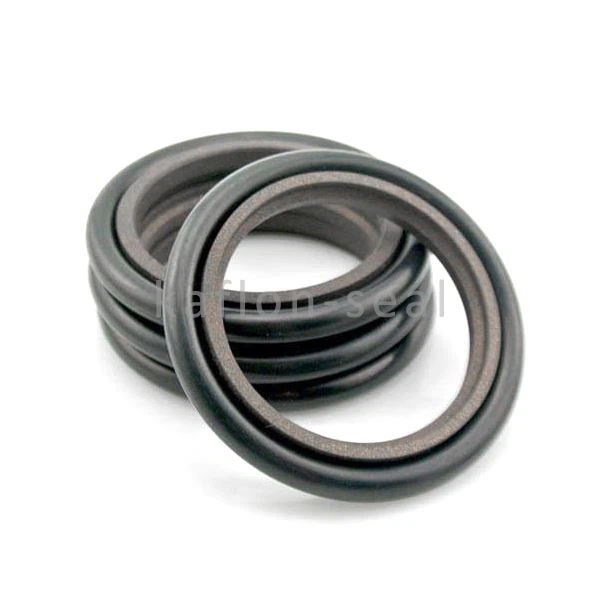
Compressibility: Gases are highly compressible, while liquids are almost incompressible. In a pneumatic system, when pressure is applied, the air can be compressed, causing rapid pressure changes. These rapid pressure fluctuations can put additional stress on the seals. Hydraulic seals, which are designed for relatively stable pressure conditions in hydraulic systems, may not be able to handle these sudden pressure variations as effectively in pneumatic systems. For example, a Rod Sealing Glyd Ring that works well in a hydraulic system might experience leakage or deformation under the dynamic pressure changes in a pneumatic environment.
2. Pressure Requirements
Hydraulic systems generally operate at much higher pressures than pneumatic systems. Hydraulic pressures can range from a few hundred to several thousand psi, while pneumatic systems typically operate at pressures between 80 - 120 psi.
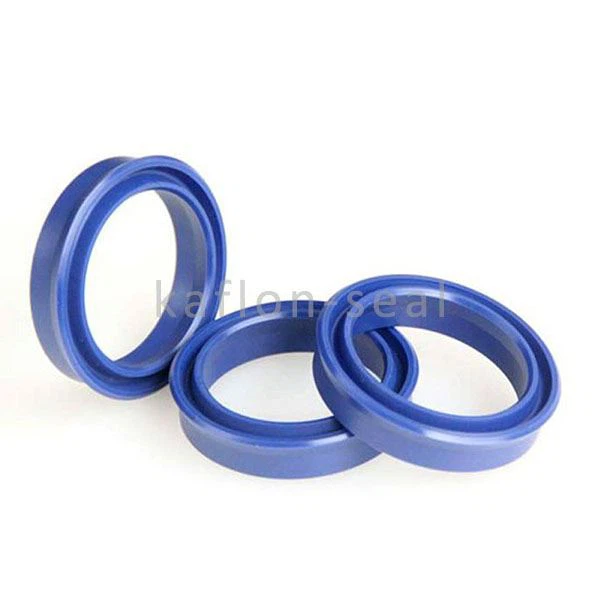
Seal Design: Hydraulic seals are engineered to withstand high - pressure applications. They often have a more robust design, with thicker cross - sections and stronger materials. For instance, a PU Hydraulic Piston Seal used in a hydraulic system is designed to prevent leakage under high - pressure differentials. When used in a pneumatic system, these over - engineered seals may be more expensive and less flexible than necessary. Pneumatic seals, on the other hand, are designed to be more lightweight and flexible to work effectively at lower pressures.
Pressure Cycling: Pneumatic systems may have more frequent pressure cycling compared to hydraulic systems. The seals in pneumatic systems need to be able to withstand repeated pressure changes without losing their sealing properties. Hydraulic seals may not be optimized for such frequent cycling, as they are more accustomed to relatively stable high - pressure conditions.
3. Temperature Range
The temperature range in hydraulic and pneumatic systems can also vary significantly, and this affects the performance of seals.
Hydraulic Systems: Hydraulic fluids can generate heat during operation, especially in high - pressure applications. Hydraulic seals are designed to withstand a relatively wide temperature range, often from - 20°C to 100°C or even higher, depending on the type of fluid and application. For example, seals made from materials like polyurethane or fluorocarbon can maintain their sealing properties within these temperature limits.
Pneumatic Systems: Pneumatic systems generally operate at lower temperatures compared to hydraulic systems. However, they can be more sensitive to temperature changes due to the compressibility of air. A small change in temperature can cause a significant change in air pressure. Hydraulic seals used in pneumatic systems may not be as responsive to these temperature - induced pressure changes, leading to potential sealing failures.
4. Contamination and Lubrication
Contamination and lubrication requirements are also different between hydraulic and pneumatic systems.
Contamination: Hydraulic systems are more prone to internal contamination from particles, water, and other impurities in the hydraulic fluid. Hydraulic seals are designed to prevent the ingress of these contaminants into the system. In contrast, pneumatic systems are more susceptible to external contamination, such as dust and dirt. Hydraulic seals may not have the same level of protection against external contaminants when used in pneumatic systems.
Lubrication: As mentioned earlier, hydraulic fluids provide natural lubrication for seals. In pneumatic systems, since air has little lubricating ability, external lubrication may be required. Hydraulic seals may not be compatible with the lubricants used in pneumatic systems, which can lead to chemical reactions or degradation of the seal material.
5. Material Compatibility
The choice of seal material is crucial for both hydraulic and pneumatic systems, but the requirements differ.
Hydraulic Seals: Materials such as polyurethane, nitrile rubber, and fluorocarbon are commonly used in hydraulic seals. These materials are selected for their resistance to hydraulic fluids, high - pressure capabilities, and good wear resistance. For example, a Polyurethane Piston Seal For Static Application is made of polyurethane, which has excellent abrasion resistance and can withstand high - pressure differentials in static applications.
Pneumatic Seals: Pneumatic seals often require materials that are more resistant to dry friction and have better compatibility with air. Silicone rubber, for example, is a popular choice for pneumatic seals due to its low friction coefficient and good flexibility at low pressures. Hydraulic seal materials may not have the same performance characteristics when used in pneumatic systems.
Conclusion
In conclusion, using hydraulic seals in pneumatic systems is not a straightforward substitution. The differences in fluid properties, pressure requirements, temperature range, contamination and lubrication, and material compatibility all need to be carefully considered. While it may be possible to use hydraulic seals in some pneumatic applications, it is essential to assess the specific requirements of the pneumatic system to ensure optimal performance and reliability.
If you're in the market for seals for either hydraulic or pneumatic systems, I encourage you to reach out to us. We have a wide range of high - quality seals that are specifically designed for different applications. Whether you need a Rod Sealing Glyd Ring, a PU Hydraulic Piston Seal, or a Polyurethane Piston Seal For Static Application, we can provide you with the right solution. Contact us today to start a procurement discussion and find the perfect seals for your needs.
References
- Anderson, D. (2018). Sealing Technology Handbook. McGraw - Hill.
- Brown, R. (2020). Hydraulic and Pneumatic Systems: Design and Application. Wiley.
- Smith, J. (2019). Material Selection for Seals in Fluid Power Systems. Elsevier.