
Troubleshooting rotary shaft seal problems can be a real pain, but as a reliable Rotary Shaft Seals supplier, I'm here to share some practical tips to help you handle these issues effectively.
1. Understanding the Basics of Rotary Shaft Seals
Before we dive into troubleshooting, it's important to know what rotary shaft seals do. These seals are used to prevent the leakage of fluids, like oil or grease, and to keep contaminants out. They're crucial for the proper functioning of various machinery, from cars to industrial equipment.
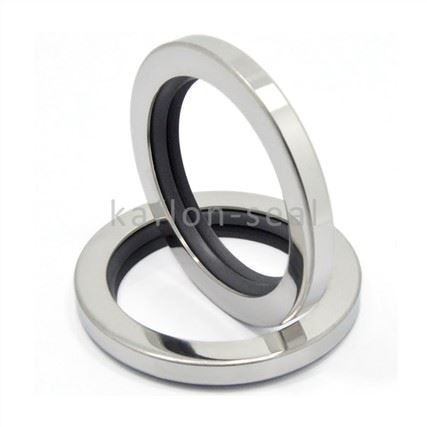
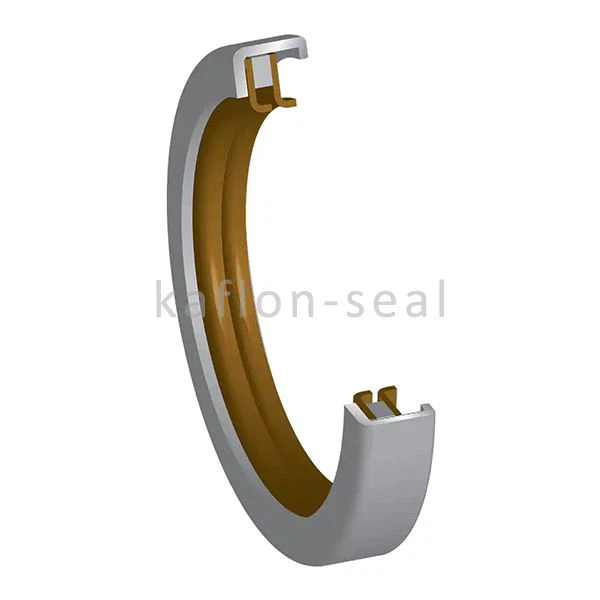
There are different types of rotary shaft seals, and two popular ones are the Double Lips PTFE Oil Seal and the PTFE Stainless Rotary Shaft Seal. The double - lips design provides extra protection against leakage, while the PTFE and stainless - steel materials offer excellent chemical resistance and durability.
2. Common Rotary Shaft Seal Problems and Their Causes
Leakage
Leakage is the most obvious and common problem. Here are some of the reasons behind it:
- Improper Installation: If the seal isn't installed correctly, it won't fit snugly against the shaft and housing. This could be due to incorrect alignment, over - or under - tightening during installation. For example, if you use too much force while pressing the seal onto the shaft, it might get damaged, leading to leakage.
- Shaft Wear: Over time, the shaft can wear down, especially in high - speed applications. A worn shaft won't provide a smooth surface for the seal to make contact with, causing gaps and leakage.
- Seal Material Degradation: Exposure to harsh chemicals, high temperatures, or extreme pressures can cause the seal material to break down. For instance, if the seal is in contact with a corrosive fluid and isn't made of a suitable material, it will deteriorate quickly.
Excessive Friction
Excessive friction can lead to premature wear of the seal and the shaft. The causes include:
- Incorrect Lubrication: If there isn't enough lubricant between the seal and the shaft, friction will increase. On the other hand, using the wrong type of lubricant can also cause problems. For example, some lubricants might react with the seal material.
- High Shaft Speed: At very high speeds, the friction between the seal and the shaft can generate a lot of heat. If the seal isn't designed for high - speed operation, this heat can cause it to fail.
Seal Hardening or Brittleness
Hardening or brittleness makes the seal less flexible and more likely to crack.
- Age and Oxidation: Just like any rubber or plastic material, seals can age over time. Oxidation in the air can cause the material to become hard and brittle.
- Exposure to Extreme Temperatures: High - temperature environments can speed up the hardening process, while extremely low temperatures can make the seal lose its flexibility.
3. Troubleshooting Steps
Step 1: Visual Inspection
The first thing you should do is take a good look at the seal. Check for signs of damage, such as cracks, tears, or deformation. Also, examine the shaft for wear marks. If you see any visible damage to the seal, it's likely that you'll need to replace it.
Look at the surrounding area for signs of leakage. If there's oil or grease around the seal, it's a clear indication that something is wrong. Also, check if there are any contaminants, like dirt or debris, that might have gotten into the seal area.
Step 2: Check the Installation
Review the installation process to make sure it was done correctly. Check the alignment of the shaft and the housing. If the alignment is off, the seal won't be able to do its job properly. Make sure all the bolts or clamps are tightened to the correct torque specifications. If you find that the installation was incorrect, you might need to reinstall the seal properly.
Step 3: Evaluate the Operating Conditions
Consider the operating environment of the seal. Check the temperature, pressure, and the type of fluid it's in contact with. If the conditions are too harsh for the seal material, you may need to upgrade to a more suitable seal. For example, if the seal is in a high - temperature and high - pressure environment, a Vacuum Operation PTFE Stainless Oil Seal might be more appropriate.
Step 4: Analyze the Lubrication
Check the lubrication system. Make sure there's enough lubricant and that it's the right type for the seal and the application. If necessary, clean the lubrication channels and replace the lubricant. If the lubricant has become contaminated, that could be the cause of the problem.
Step 5: Test and Monitor
After making any adjustments or replacements, test the machinery to see if the problem has been resolved. Monitor the seal for a while to make sure the issue doesn't come back. You can use sensors or other monitoring equipment to track the performance of the seal and the associated machinery.
4. Preventive Measures
Proper Selection of Seals
Choosing the right seal for the application is crucial. Consider factors like the operating temperature, pressure, speed, and the type of fluid. As a supplier, I can help you select the most suitable seal based on your specific needs.
Regular Maintenance
Implement a regular maintenance schedule. This includes checking the seals for signs of wear, cleaning the seal area, and replacing the lubricant as needed. Regular maintenance can help you catch problems early and avoid costly breakdowns.
Training for Installation and Maintenance Personnel
Make sure the people who install and maintain the seals are properly trained. They should know how to install the seals correctly and how to perform routine maintenance tasks. This will reduce the likelihood of installation - related problems.
Ready to Solve Your Rotary Shaft Seal Problems?
If you're facing rotary shaft seal problems or are looking for high - quality seals for your machinery, we're here to help. As a trusted Rotary Shaft Seals supplier, we offer a wide range of seals, including the ones mentioned above, to meet your diverse needs. Whether you need help troubleshooting or advice on seal selection, don't hesitate to reach out for a procurement discussion.

References
- Magnus, B., & John, H. (2018). Handbook of Sealing Technology. Waukesha Bearings.
- Smith, R. (2020). Shaft Sealing Systems: Design, Application, and Troubleshooting. McGraw - Hill Education.