
Hey there! As a supplier of Rotary Glyd Rings, I've been getting a lot of questions lately about whether these bad boys are suitable for heavy - duty applications. So, I thought I'd sit down and share my thoughts on this topic.
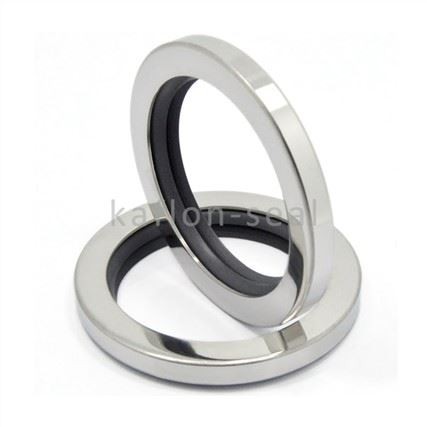
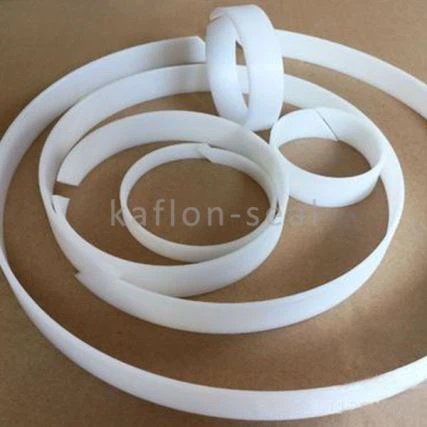
First off, let's talk about what Rotary Glyd Rings are. They're a type of sealing solution designed to work in rotary applications. These rings are known for their ability to provide a reliable seal, preventing leakage of fluids or gases while the shaft is rotating. They're made from high - quality materials that can withstand a fair amount of wear and tear.
Now, when it comes to heavy - duty applications, we're talking about environments that are tough on equipment. Think high pressures, extreme temperatures, high - speed rotations, and abrasive media. These conditions can really take a toll on seals, and not all seals are up to the challenge.
One of the key factors that make Rotary Glyd Rings potentially suitable for heavy - duty applications is their construction. Most Rotary Glyd Rings are made from materials like PTFE (polytetrafluoroethylene) or other high - performance polymers. PTFE, for example, is known for its excellent chemical resistance. It can handle a wide range of chemicals, which is great if your heavy - duty application involves contact with corrosive substances.
Another advantage is PTFE's low friction coefficient. In heavy - duty applications where the shaft is rotating at high speeds, a low friction coefficient is crucial. It reduces the amount of heat generated during operation, which can prevent premature wear of the seal and the shaft. You can learn more about friction coefficients in Friction Coefficients PTFE Oil Seal Seal.
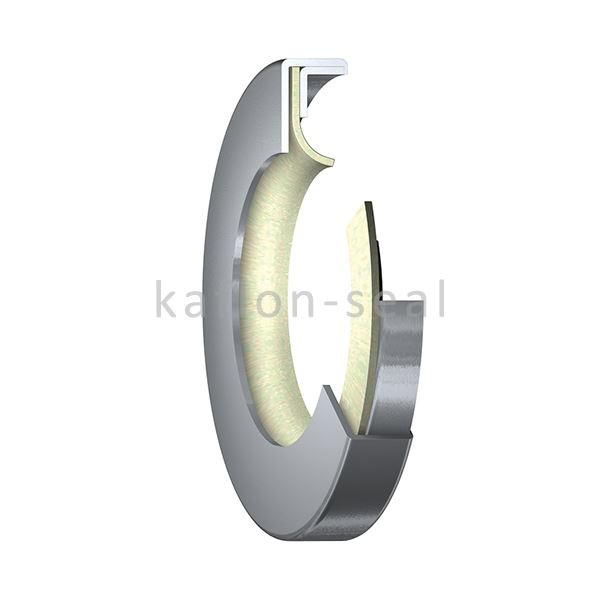
The design of Rotary Glyd Rings also plays a role. They're engineered to fit snugly around the shaft, providing a tight seal. This design helps to maintain the integrity of the seal even under high pressures. For heavy - duty applications with high - pressure systems, this is a big plus.
However, it's not all sunshine and rainbows. There are some factors that might make Rotary Glyd Rings less than ideal for certain heavy - duty scenarios. For instance, if the application involves very high - frequency oscillations or rapid changes in direction, the ring might not be able to keep up. The materials might not be flexible enough to adapt quickly to these sudden changes, which could lead to seal failure.
Temperature is another consideration. While PTFE and other materials used in Rotary Glyd Rings can handle a wide range of temperatures, there are limits. In extremely high - temperature environments, the material might start to degrade, losing its sealing properties. On the other hand, in very cold temperatures, the material could become brittle and crack.
Let's take a look at some real - world heavy - duty applications and see how Rotary Glyd Rings stack up. In the oil and gas industry, where equipment often operates under high pressures and in harsh chemical environments, Rotary Glyd Rings can be a good choice. Their chemical resistance and ability to withstand pressure make them suitable for sealing pumps, valves, and other components.
In the automotive industry, especially in high - performance engines, Rotary Glyd Rings can also find a place. The high - speed rotations and the need for reliable sealing make them a candidate for use in engine components. However, the automotive industry also has very strict requirements when it comes to durability and performance, so careful selection and testing are necessary.
Now, I want to mention a couple of related products that might be useful in heavy - duty applications. The Vacuum Operation PTFE Stainless Oil Seal is great for applications where vacuum conditions are involved. It combines the benefits of PTFE and stainless steel, providing a reliable seal in vacuum environments.
The PTFE Filled POB Shaft Seal is another option. The PTFE filling enhances the sealing performance, and it can be a good alternative or addition to Rotary Glyd Rings depending on the specific requirements of your heavy - duty application.
So, are Rotary Glyd Rings suitable for heavy - duty applications? The answer is it depends. They have a lot of positive attributes that make them a strong candidate, but there are also some limitations. If you're considering using Rotary Glyd Rings in a heavy - duty application, it's important to do a thorough analysis of your specific requirements. Look at factors like pressure, temperature, chemical exposure, and the type of motion involved.

If you're still not sure whether Rotary Glyd Rings are the right fit for your heavy - duty project, don't hesitate to reach out. As a supplier, I have a team of experts who can help you evaluate your needs and recommend the best sealing solution. Whether it's Rotary Glyd Rings or another product, we're here to make sure you get the most reliable and cost - effective option for your application. Let's start a conversation and see how we can work together to solve your sealing challenges.
References
- Various industry reports on sealing solutions for heavy - duty applications
- Manufacturer's specifications for Rotary Glyd Rings and related products