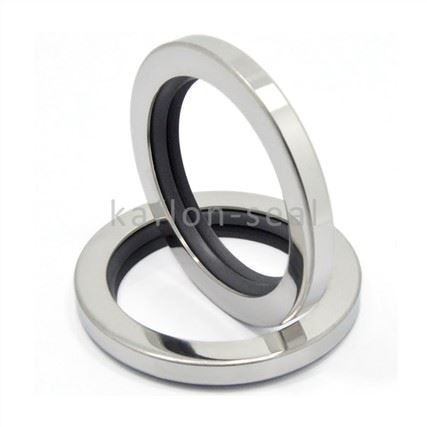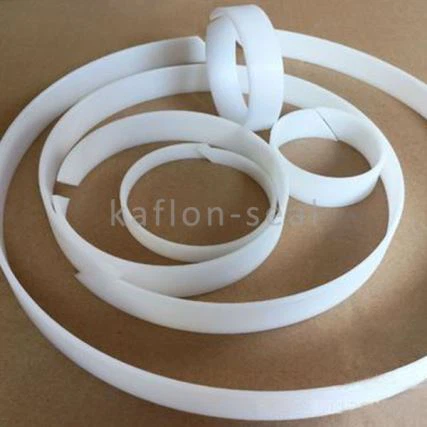

As a supplier of plastic seals, ensuring the integrity of these crucial components is of utmost importance. Plastic seals are used in a wide range of industries, from food and beverage packaging to pharmaceutical and automotive applications. A compromised seal can lead to product contamination, leakage, and ultimately, customer dissatisfaction. In this blog post, I will share some effective methods to test the integrity of a plastic seal.
Visual Inspection
The first step in testing the integrity of a plastic seal is a thorough visual inspection. This is a simple yet effective method that can quickly identify obvious defects such as cracks, holes, or improper sealing. When conducting a visual inspection, it is essential to use proper lighting and magnification tools if necessary. Look for any signs of damage on the surface of the seal, including scratches, dents, or uneven edges. Additionally, check the seal's alignment and ensure that it is properly seated in its intended position.
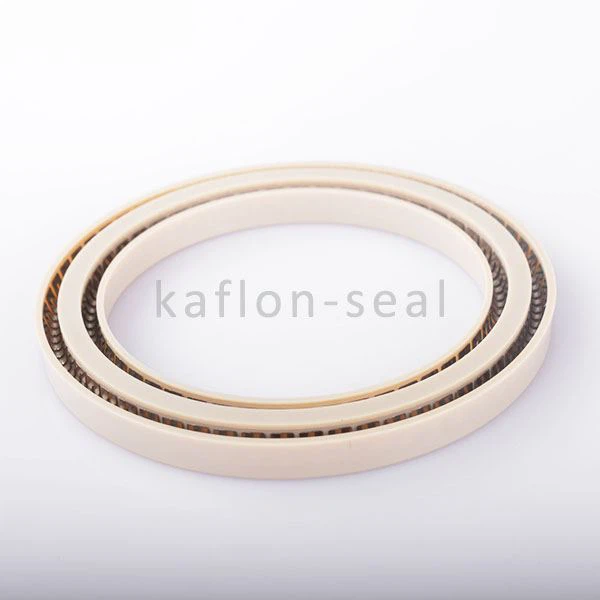

Visual inspection is a non - destructive testing method, which means it does not damage the seal during the inspection process. This makes it ideal for initial quality control checks. However, it has its limitations. Some defects may not be visible to the naked eye, especially those that are internal or very small. In such cases, more advanced testing methods are required.
Pressure Testing
Pressure testing is a widely used method to evaluate the integrity of plastic seals. This method involves applying a specific amount of pressure to the sealed area and monitoring for any signs of leakage. There are two main types of pressure testing: positive pressure testing and negative pressure testing.
In positive pressure testing, air or another gas is pumped into the sealed container or system at a controlled pressure. The pressure is maintained for a set period, and any drop in pressure indicates a leak in the seal. This method is particularly useful for testing seals in containers that are designed to hold pressurized contents, such as aerosol cans or gas cylinders.
Negative pressure testing, also known as vacuum testing, involves creating a vacuum inside the sealed area. If the seal is intact, the vacuum will be maintained. A loss of vacuum pressure suggests that there is a leak in the seal. Vacuum testing is commonly used for testing seals in packages that need to maintain a low - pressure environment, such as food packaging with a modified atmosphere.
Pressure testing provides quantitative data about the seal's performance under pressure. It can detect even small leaks that may not be visible during a visual inspection. However, it requires specialized equipment, such as pressure gauges and pumps, and proper calibration to ensure accurate results.
Dye Penetrant Testing
Dye penetrant testing is a method used to detect surface - opening defects in plastic seals. This method involves applying a colored dye to the surface of the seal and allowing it to penetrate any cracks or pores. After a specified dwell time, the excess dye is removed, and a developer is applied. The developer draws the dye out of the defects, making them visible as colored indications.
Dye penetrant testing is a sensitive method that can detect very small surface defects. It is relatively simple to perform and does not require expensive equipment. However, it is limited to detecting surface - opening defects and cannot detect internal defects. Also, the chemicals used in dye penetrant testing need to be handled carefully due to their potential toxicity.
Ultrasonic Testing
Ultrasonic testing is a non - destructive testing method that uses high - frequency sound waves to detect internal defects in plastic seals. When an ultrasonic wave encounters a defect, such as a void or a crack, a portion of the wave is reflected back. By analyzing the reflected waves, the presence, size, and location of the defect can be determined.
Ultrasonic testing is a powerful tool for detecting internal defects in plastic seals without damaging them. It can provide detailed information about the integrity of the seal. However, it requires specialized equipment and trained operators. The accuracy of ultrasonic testing can also be affected by factors such as the type of plastic material, the shape of the seal, and the presence of multiple layers or complex geometries.
Thermal Testing
Thermal testing involves subjecting the plastic seal to different temperature conditions to evaluate its integrity. Plastic materials can expand or contract with changes in temperature, and a poor - quality seal may fail under these conditions.
One common thermal testing method is thermal cycling, where the seal is exposed to a series of alternating high and low temperatures. This simulates real - world conditions where the seal may be exposed to temperature variations during storage, transportation, or use. Any signs of cracking, delamination, or leakage during thermal cycling indicate a problem with the seal's integrity.
Thermal testing can help identify potential issues with the seal's performance under temperature changes. It is particularly important for applications where the seal will be exposed to extreme temperatures, such as in automotive engines or aerospace components. However, thermal testing can be time - consuming and may require specialized environmental chambers to control the temperature accurately.
Considerations for Different Plastic Seal Materials
Different plastic materials have different properties, and these properties can affect the testing methods used. For example, F260 PEEK is a high - performance plastic with excellent mechanical and chemical resistance. When testing seals made of F260 PEEK, the testing methods need to take into account its high melting point and stiffness.
F265 POM is another commonly used plastic for seals. It has good dimensional stability and low friction properties. The testing methods for F265 POM seals may need to focus on its susceptibility to moisture absorption, which can affect its sealing performance.
As a T Seal Supplier China, we understand the importance of choosing the right testing methods based on the specific plastic material and the application requirements. We work closely with our customers to ensure that the plastic seals we supply meet their quality and performance standards.
Conclusion
Testing the integrity of plastic seals is a multi - faceted process that requires a combination of different testing methods. Visual inspection is a good starting point, but more advanced methods such as pressure testing, dye penetrant testing, ultrasonic testing, thermal testing, and others are often necessary to ensure the highest level of quality.
As a plastic seal supplier, we are committed to providing our customers with high - quality seals that meet their specific needs. By using a comprehensive approach to testing, we can identify and address any potential issues before the seals are delivered to our customers.
If you are in the market for plastic seals and want to ensure their integrity, we invite you to contact us for more information. Our team of experts can help you choose the right plastic seal material and testing methods for your application. We look forward to discussing your requirements and working with you to provide the best plastic seal solutions.
References
- ASTM International. (Year). Standard test methods for various plastic properties.
- ISO Standards. (Year). International standards for plastic seal testing.
- ASME. (Year). Boiler and Pressure Vessel Code related to pressure testing of plastic seals.