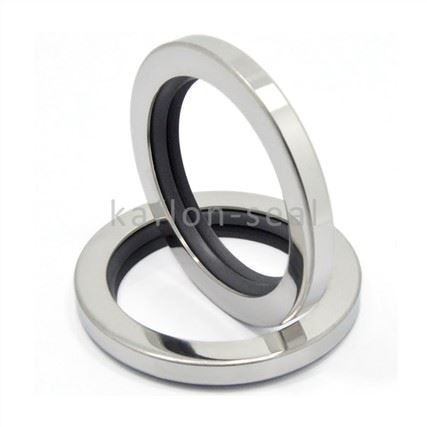

Hey there! As a supplier of Hydraulic Piston Seals, I've seen firsthand the importance of getting the installation right. A correctly installed hydraulic piston seal can make all the difference in the performance and longevity of your hydraulic system. So, let's dive into how to install a hydraulic piston seal correctly.
Understanding the Basics
Before we start the installation process, it's crucial to understand what a hydraulic piston seal is and what it does. A hydraulic piston seal is a critical component in a hydraulic cylinder. It prevents the leakage of hydraulic fluid between the piston and the cylinder bore, ensuring that the hydraulic system operates efficiently.


There are different types of hydraulic piston seals available in the market, and choosing the right one for your application is essential. Factors such as pressure, temperature, and the type of hydraulic fluid used will determine the most suitable seal.
Pre-Installation Preparation
First things first, you need to gather all the necessary tools. You'll typically need a clean workbench, a set of wrenches, a seal installation tool, and a clean rag. Make sure your work area is clean and free from any dirt or debris that could contaminate the seal or the hydraulic system.
Inspect the piston and the cylinder bore for any signs of damage, such as scratches, nicks, or corrosion. Any imperfections in these surfaces can cause the seal to fail prematurely. If you find any damage, it's best to repair or replace the affected parts before proceeding with the installation.
Next, clean the piston and the cylinder bore thoroughly. Use a suitable cleaning solvent to remove any oil, grease, or dirt. After cleaning, dry the surfaces completely with a clean rag.
Selecting the Right Seal
As a Hydraulic Piston Seal supplier, I know that selecting the right seal is key. You need to consider the specifications of your hydraulic system, such as the operating pressure, temperature range, and the type of hydraulic fluid. Different seals are designed to withstand different conditions.
For example, if you're dealing with high-pressure applications, you might want to consider a PTFE Filled With Carbon Glyd Ring. These seals are known for their excellent resistance to high pressures and abrasion.
If you need a seal for dynamic sealing, a Rod Seal For Dynamic Sealing could be a great choice. They are specifically designed to handle the movement of the rod and provide effective sealing.
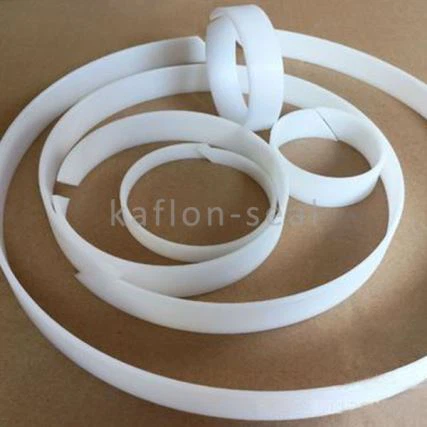
And don't forget about Hydraulic Wear Rings. These rings help to guide the piston and protect the seal from excessive wear, especially in applications where there is a lot of lateral movement.
Installing the Seal
Now, let's get to the actual installation process. Start by lubricating the seal with a small amount of hydraulic fluid. This will make it easier to install and also help to prevent damage to the seal during installation.
Carefully place the seal onto the piston. Make sure it is centered and aligned correctly. You can use a seal installation tool to help you with this step. The tool will ensure that the seal is evenly seated on the piston without any twists or kinks.
Once the seal is on the piston, gently insert the piston into the cylinder bore. Be careful not to damage the seal during this process. If you encounter any resistance, stop and check to make sure the seal is still properly aligned.
As you insert the piston, keep an eye on the seal to make sure it doesn't roll or get pinched. If you notice any problems, remove the piston and reposition the seal.
Post-Installation Checks
After installing the seal, it's important to perform some post-installation checks. Check for any signs of leakage around the seal. You can do this by pressurizing the hydraulic system to a low pressure and observing for any fluid seepage.
Also, check the movement of the piston. It should move smoothly without any binding or excessive resistance. If you notice any issues, it could indicate that the seal is not installed correctly or that there is a problem with the piston or the cylinder bore.
Maintenance and Troubleshooting
Proper maintenance is essential to ensure the long-term performance of your hydraulic piston seal. Regularly check the seal for signs of wear, such as cracks, tears, or excessive deformation. Replace the seal if you notice any significant wear.
If you experience any problems with the seal, such as leakage or poor performance, don't panic. First, check the installation to make sure the seal is properly seated and aligned. If the problem persists, it could be due to other factors, such as incorrect pressure settings or contaminated hydraulic fluid.
Conclusion
Installing a hydraulic piston seal correctly is not rocket science, but it does require attention to detail. By following these steps, you can ensure that your hydraulic system operates smoothly and efficiently.
If you're in the market for high-quality hydraulic piston seals or need more advice on installation and maintenance, feel free to reach out. We're here to help you find the right solutions for your hydraulic system. Contact us to start a procurement discussion and take your hydraulic system to the next level.
References
- "Hydraulic Seals Handbook" by John Doe
- Industry standards and guidelines for hydraulic system maintenance and installation