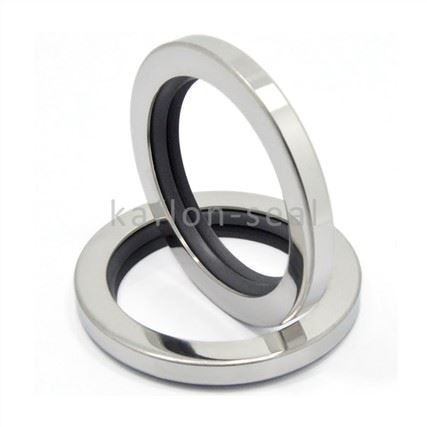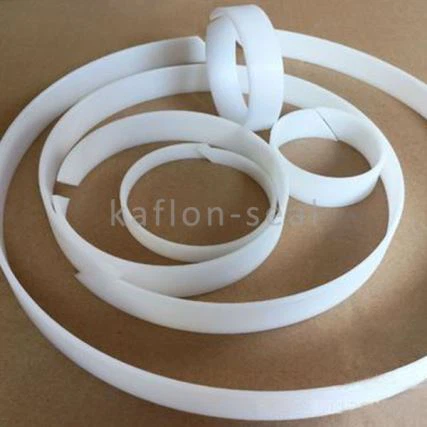

Hey there! As a supplier of Rotary Glyd Rings, I've seen firsthand how crucial these little components are in various industrial applications. Today, I want to dig into how pressure affects the performance of a Rotary Glyd Ring.
First off, let's get a quick understanding of what a Rotary Glyd Ring is. It's a type of sealing device used in rotating machinery to prevent the leakage of fluids, like oil or hydraulic fluid. They're designed to handle a range of pressures and speeds, making them super versatile.
Now, let's talk about pressure. Pressure can have a huge impact on how well a Rotary Glyd Ring performs. When the pressure is too low, the seal might not make a proper contact with the shaft or the housing. This can lead to leakage, which is obviously a big no - no in industrial settings. You don't want your valuable fluids seeping out and causing a mess or, even worse, damaging other parts of the machinery.
On the other hand, when the pressure is too high, it can put a lot of stress on the Rotary Glyd Ring. The ring might get compressed too much, which can cause it to deform. A deformed seal won't be able to do its job effectively, and it can lead to premature wear and tear. In some extreme cases, the high pressure can even cause the seal to fail completely.
Let's break down the effects of different pressure levels in more detail.


Low - Pressure Situations
In low - pressure environments, the main issue is the lack of proper sealing force. The Rotary Glyd Ring needs a certain amount of pressure to maintain a tight seal against the shaft and the housing. When the pressure is below the recommended level, there might be small gaps between the seal and the surfaces it's supposed to seal.
These gaps can allow fluid to leak out. And even a small leak can be a problem over time. It can lead to a loss of fluid, which can affect the performance of the machinery. For example, in a hydraulic system, a leak can cause a drop in pressure, which can result in reduced power and efficiency.
Another consequence of low pressure is that the seal might not be able to self - lubricate properly. Many Rotary Glyd Rings rely on a thin film of fluid between the seal and the shaft for lubrication. When the pressure is low, this film might not form correctly, which can increase friction and wear.
High - Pressure Situations
High pressure is a whole different ballgame. When the pressure is too high, the Rotary Glyd Ring is under a lot of stress. The ring is designed to handle a certain maximum pressure, and if that limit is exceeded, it can start to show signs of damage.
One of the first things that can happen is extrusion. Extrusion occurs when the seal material is forced into the clearance between the shaft and the housing. This can happen because the high pressure pushes the seal material into any available space. Once the seal has extruded, it won't be able to seal properly anymore, and it will likely need to be replaced.
High pressure can also cause the seal to harden. The excessive force can change the molecular structure of the seal material, making it more brittle. A brittle seal is more likely to crack or break, which can lead to complete seal failure.
Optimal Pressure Range
So, what's the sweet spot? Every Rotary Glyd Ring has an optimal pressure range specified by the manufacturer. This range is determined by the design and material of the seal. Staying within this range is crucial for getting the best performance and longest lifespan out of the seal.
When the pressure is within the optimal range, the Rotary Glyd Ring can maintain a good balance between sealing force and flexibility. It can form a tight seal without getting deformed or damaged. This ensures efficient operation of the machinery and reduces the risk of leaks and failures.
Factors Affecting Pressure Tolerance
There are several factors that can affect the pressure tolerance of a Rotary Glyd Ring. One of the most important factors is the material of the seal. Different materials have different properties, such as hardness, elasticity, and chemical resistance. For example, a seal made of a more flexible material might be able to handle a wider range of pressures than a harder, more rigid material.
The design of the Rotary Glyd Ring also plays a role. Rings with a more robust design are generally better able to withstand high pressures. Some seals have special features, like reinforced edges or multiple sealing lips, which can improve their pressure - handling capabilities.
The operating conditions, such as temperature and speed, can also affect the pressure tolerance. High temperatures can make the seal material softer, which can reduce its ability to withstand pressure. Similarly, high speeds can increase the forces acting on the seal, which can also affect its performance under pressure.
Choosing the Right Rotary Glyd Ring for the Pressure
As a supplier, I often get asked how to choose the right Rotary Glyd Ring for a specific pressure application. The first step is to determine the pressure range of the application. This can usually be done by looking at the specifications of the machinery or the system.
Once you know the pressure range, you can choose a Rotary Glyd Ring that is designed to handle that pressure. It's also important to consider other factors, such as the temperature, speed, and the type of fluid being sealed.
If you're not sure which seal is right for your application, don't hesitate to reach out. We have a team of experts who can help you make the right choice.
Related Sealing Products
If you're interested in other sealing solutions, we also offer Radial PTFE Shaft Seal, PTFE Stainless Rotary Shaft Seal, and PTFE Lip Seal. These products are also designed to handle different pressure and operating conditions, and they can be a great alternative or complement to Rotary Glyd Rings in some applications.
Conclusion
In conclusion, pressure has a significant impact on the performance of a Rotary Glyd Ring. Whether it's low pressure causing leaks or high pressure leading to deformation and failure, it's important to understand how pressure affects the seal.
By choosing the right Rotary Glyd Ring for the pressure range of your application and ensuring that the operating conditions are within the recommended limits, you can get the best performance and longest lifespan out of your seals.
If you're in the market for Rotary Glyd Rings or any other sealing products, we're here to help. We have a wide range of high - quality seals to meet your needs. Feel free to contact us for more information and to discuss your specific requirements. Let's work together to find the perfect sealing solution for your machinery.
References
- "Sealing Technology Handbook"
- Manufacturer's specifications for Rotary Glyd Rings