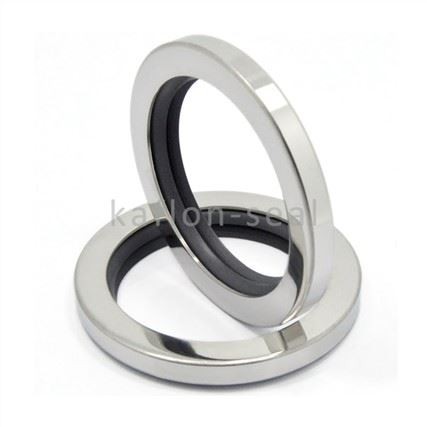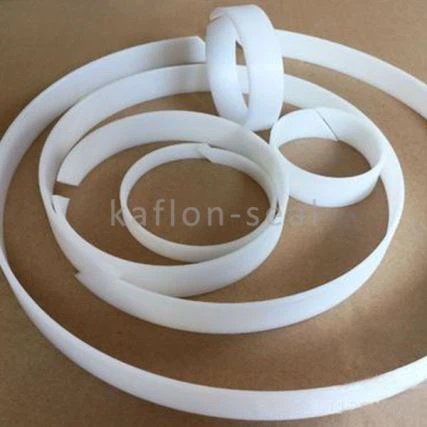

Hey there! As a supplier of hydraulic rod seals, I've seen firsthand how crucial it is to have top - notch static sealing performance. In this blog, I'm gonna share some tips on how to improve the static sealing performance of a hydraulic rod seal.
Understanding the Basics of Hydraulic Rod Seals
First off, let's quickly go over what hydraulic rod seals are. These seals are used in hydraulic cylinders to prevent fluid leakage. They work in a tough environment, dealing with high pressures, different temperatures, and various types of hydraulic fluids.
There are different types of hydraulic rod seals available. For example, the Single Acting Rod Seal is designed to work in one direction. It's great for applications where the pressure acts only on one side of the rod. Then, we have the Double Acting Rod Seal, which can handle pressure from both sides. This is super useful in cylinders that move back and forth, like in construction equipment.
Factors Affecting Static Sealing Performance
Before we get into the ways to improve sealing performance, we need to know what factors can mess it up.
Material Selection
The material of the seal is a big deal. Different materials have different properties. For instance, nitrile rubber is resistant to oil and has good mechanical properties, but it might not do well in high - temperature environments. On the other hand, fluorocarbon rubber can handle high temperatures and aggressive fluids, but it's more expensive.
When choosing a material, you gotta consider the type of hydraulic fluid you're using. Some fluids can react with certain seal materials, causing them to swell or break down. You also need to think about the temperature range. If the seal is going to be in a hot environment, a heat - resistant material is a must.
Surface Finish
The surface finish of the rod and the housing where the seal sits is also important. A rough surface can cause the seal to wear out faster. It can also create gaps where fluid can leak through. The rod should have a smooth finish, with a proper surface roughness value. Usually, a surface finish of around 0.4 - 0.8 micrometers is recommended for good sealing performance.
Installation
How you install the seal matters a lot. If it's not installed correctly, it can get damaged or won't sit properly. Make sure the installation area is clean and free of any debris. Use the right tools for installation. For example, a seal installation tool can help you put the seal in place without damaging it. Also, be careful not to stretch the seal too much during installation, as this can change its shape and affect its sealing ability.
Ways to Improve Static Sealing Performance
Optimize Material Choice
As I mentioned earlier, material selection is key. If you're dealing with a high - pressure application, you might want to consider a seal made of a high - strength material like polyurethane. Polyurethane seals can handle high pressures and have good abrasion resistance.
For applications where low friction is important, the Low Stick And Slip Glyd Ring is a great option. It's designed to reduce stick - slip effects, which can improve the overall performance of the hydraulic system.
Improve Surface Finish
To improve the surface finish of the rod, you can use different machining processes. Grinding is a common method that can achieve a smooth surface. After grinding, you can also polish the rod to further reduce the surface roughness.
For the housing, make sure it's machined accurately. The housing should have a proper bore diameter and roundness. Any deviations in the housing dimensions can cause the seal to be under stress or not seal properly.
Proper Installation Techniques
When installing the seal, follow the manufacturer's instructions carefully. Lubricate the seal with the appropriate hydraulic fluid before installation. This will make it easier to install and also reduce the risk of damage.
Use a seal installation sleeve to guide the seal onto the rod. This can prevent the seal from getting cut or torn during installation. Make sure the seal is seated evenly in the housing and there are no wrinkles or folds.
Regular Maintenance
Regular maintenance is essential for good sealing performance. Check the seals regularly for signs of wear, damage, or leakage. If you notice any issues, replace the seal as soon as possible.


Keep the hydraulic system clean. Contaminants in the hydraulic fluid can cause the seal to wear out faster. Use a high - quality filter in the hydraulic system to remove any particles from the fluid.
Testing and Quality Control
Once you've installed the seal, it's important to test it to make sure it's working properly. You can use different testing methods, such as pressure testing. Apply the maximum operating pressure to the hydraulic system and check for any leaks.
Quality control is also crucial. As a supplier, we have strict quality control measures in place. We test every seal before it leaves our factory. This includes checking the dimensions, material properties, and sealing performance.
Conclusion
Improving the static sealing performance of a hydraulic rod seal is a multi - step process. It involves choosing the right material, ensuring a good surface finish, proper installation, regular maintenance, and thorough testing. By paying attention to these factors, you can significantly improve the performance and lifespan of your hydraulic rod seals.
If you're in the market for high - quality hydraulic rod seals or have any questions about improving sealing performance, don't hesitate to reach out. We're here to help you find the best solutions for your hydraulic systems. Let's work together to make your hydraulic equipment run smoothly!
References
- "Hydraulic Seals Handbook" by Seal Designers Association
- "Sealing Technology in Hydraulic Systems" - Industry research report