
Hey there! As a supplier of hydraulic seals, I've seen firsthand how crucial proper alignment is during installation. A misaligned seal can lead to all sorts of problems, from leaks and reduced efficiency to costly downtime and equipment damage. So, in this blog post, I'm gonna share some tips on how to ensure the proper alignment of hydraulic seals during installation.
Understanding the Basics of Hydraulic Seals
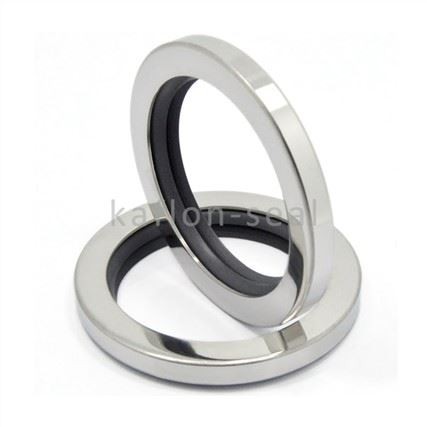
Before we dive into the installation process, let's quickly go over what hydraulic seals are and how they work. Hydraulic seals are used to prevent the leakage of fluid in hydraulic systems. They come in various shapes and sizes, and each type is designed for a specific application. Some common types of hydraulic seals include piston seals, rod seals, wear rings, and O-rings.
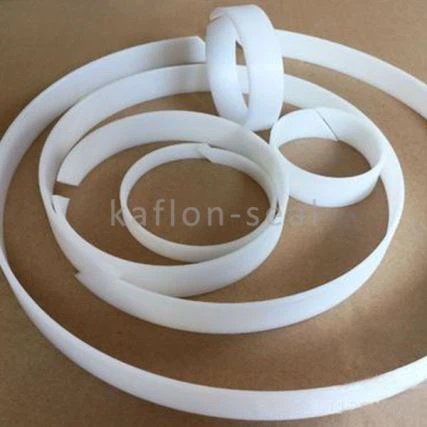
Piston seals are used to seal the piston in a hydraulic cylinder, preventing fluid from leaking past the piston. Rod seals, on the other hand, are used to seal the rod as it moves in and out of the cylinder. Wear rings are used to guide the piston or rod and prevent metal-to-metal contact, which can cause wear and damage. O-rings are used to seal static joints, such as between the cylinder head and the body.
Preparing for Installation
The first step in ensuring proper alignment of hydraulic seals is to prepare the installation area. This includes cleaning the surfaces where the seals will be installed and inspecting them for any damage or defects. Any dirt, debris, or burrs on the surfaces can cause the seals to misalign or damage them during installation.
Next, you'll need to select the right seals for your application. Make sure you choose seals that are the correct size, material, and type for your hydraulic system. Using the wrong seals can lead to poor performance and premature failure.


It's also a good idea to lubricate the seals before installation. This will help them slide into place more easily and reduce the risk of damage. You can use a compatible lubricant, such as hydraulic oil or silicone grease, to lubricate the seals.
Installing the Seals
Now that you've prepared the installation area and selected the right seals, it's time to install them. Here are some tips to ensure proper alignment during installation:
- Use the Right Tools: Make sure you use the right tools for the job. This includes seal installation tools, such as seal drivers, which are designed to help you install the seals without damaging them. Using the wrong tools can cause the seals to misalign or damage them during installation.
- Follow the Manufacturer's Instructions: Always follow the manufacturer's instructions when installing hydraulic seals. This includes the recommended installation method, torque values, and any special precautions or considerations. Ignoring the manufacturer's instructions can lead to poor performance and premature failure.
- Align the Seals Properly: When installing the seals, make sure they are aligned properly. This means ensuring that the seals are centered and straight in the groove or bore where they will be installed. Misaligned seals can cause leaks and reduce the efficiency of the hydraulic system.
- Check for Proper Fit: After installing the seals, check for proper fit. This means making sure the seals are seated correctly in the groove or bore and that there is no gap or space between the seal and the surface. A proper fit is essential for preventing leaks and ensuring the longevity of the seals.
Using Wear Rings and Glyd Rings
In addition to piston and rod seals, wear rings and Glyd rings are also important components in hydraulic systems. Wear rings are used to guide the piston or rod and prevent metal-to-metal contact, which can cause wear and damage. Glyd rings are a type of piston seal that are designed to provide superior sealing performance and wear resistance.
When installing wear rings and Glyd rings, it's important to follow the same principles as when installing piston and rod seals. Make sure you use the right tools, follow the manufacturer's instructions, and align the seals properly. You can find more information about Wearable Piston Sealing Glyd Ring and Hydraulic Wear Rings on our website.
Installing Seals for Single and Double Acting Cylinders
Hydraulic cylinders can be either single acting or double acting. Single acting cylinders use hydraulic pressure to move the piston in one direction and a spring or other external force to return it to its original position. Double acting cylinders use hydraulic pressure to move the piston in both directions.
When installing seals for single and double acting cylinders, it's important to use the right type of seals. Single acting cylinders typically use piston seals and rod seals, while double acting cylinders may also require additional seals, such as wiper seals or buffer seals. You can find more information about Hydraulic Seals For Single And Double Acting on our website.
Testing the Seals
After installing the hydraulic seals, it's important to test them to make sure they are working properly. This includes checking for leaks, measuring the pressure and flow of the hydraulic system, and monitoring the performance of the system over time.
If you notice any leaks or other problems with the seals, it's important to address them immediately. This may involve replacing the seals or making adjustments to the hydraulic system. Ignoring problems with the seals can lead to more serious issues down the road, such as equipment damage or system failure.
Conclusion
Proper alignment of hydraulic seals during installation is essential for ensuring the performance and longevity of hydraulic systems. By following the tips outlined in this blog post, you can help ensure that your hydraulic seals are installed correctly and that your system operates smoothly and efficiently.
If you have any questions or need help selecting the right hydraulic seals for your application, please don't hesitate to contact us. We're here to help you find the best solutions for your hydraulic sealing needs.
References
- "Hydraulic Seals: A Guide to Selection and Installation," Hydraulic Seals Association
- "Seal Installation and Maintenance," Parker Hannifin Corporation
- "Hydraulic System Design and Troubleshooting," Eaton Corporation