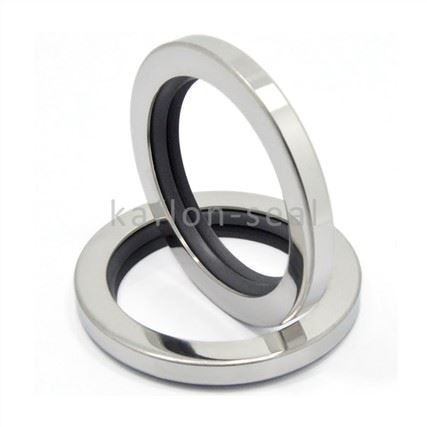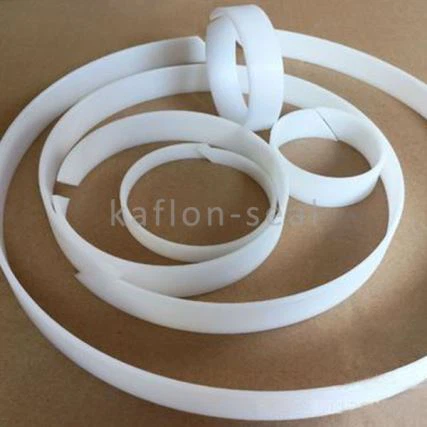

Hydraulic wear rings play a crucial role in the performance and longevity of hydraulic systems. They are designed to guide pistons and rods within cylinders, reduce friction, and prevent metal-to-metal contact, which can lead to premature wear and failure of the components. However, like all mechanical parts, hydraulic wear rings have a limited lifespan and need to be replaced periodically. In this blog post, we will explore the factors that influence the replacement frequency of hydraulic wear rings and provide some guidelines to help you determine how often they should be replaced.
Factors Affecting the Replacement Frequency of Hydraulic Wear Rings
Operating Conditions
The operating conditions of a hydraulic system have a significant impact on the wear rate of the wear rings. High pressure, high temperature, and high-speed operation can all increase the stress on the wear rings and accelerate their wear. For example, in a hydraulic press that operates at high pressure and high speed, the wear rings may experience more severe wear compared to a hydraulic system that operates at lower pressures and speeds. Additionally, the presence of contaminants in the hydraulic fluid, such as dirt, metal particles, or water, can also cause abrasive wear on the wear rings.
Material Quality
The quality of the material used to manufacture the hydraulic wear rings is another important factor. High-quality materials, such as PTFE (polytetrafluoroethylene) filled polymers, offer better wear resistance, low friction coefficients, and excellent chemical compatibility compared to lower-quality materials. For instance, our PTFE Filled Polymer Step Seal Ring is made from a high-performance polymer that provides superior wear resistance, even under harsh operating conditions. Therefore, wear rings made from high-quality materials are likely to last longer and require less frequent replacement.
Design and Installation
Proper design and installation of the wear rings are essential for their optimal performance. Incorrect sizing, improper fitting, or misalignment of the wear rings can lead to uneven wear and premature failure. For example, if the wear ring is too loose, it may not provide adequate guidance and support, resulting in increased wear on the piston or rod. On the other hand, if the wear ring is too tight, it can cause excessive friction and heat generation, which can also accelerate wear.
Maintenance Practices
Regular maintenance of the hydraulic system can significantly extend the lifespan of the wear rings. This includes monitoring the hydraulic fluid level and quality, checking for leaks, and performing routine inspections of the wear rings and other components. By detecting and addressing potential issues early, you can prevent major problems and reduce the need for frequent wear ring replacement. For example, if you notice a decrease in the hydraulic system's performance or an increase in fluid leakage, it may be a sign that the wear rings are worn and need to be replaced.
General Guidelines for Replacing Hydraulic Wear Rings
While the exact replacement frequency of hydraulic wear rings depends on the specific application and operating conditions, the following general guidelines can help you determine when it's time to replace them:
Visual Inspection
Regular visual inspections of the wear rings can provide valuable information about their condition. Look for signs of wear, such as grooves, scratches, or deformation on the surface of the wear rings. If the wear rings show significant signs of wear or damage, they should be replaced immediately. Additionally, check for any signs of fluid leakage around the wear rings, as this may indicate that the wear rings are no longer providing a proper seal.
Operating Hours
As a rough estimate, hydraulic wear rings should be replaced every 2,000 - 5,000 operating hours. However, this can vary depending on the factors mentioned above. For example, in a system that operates under extreme conditions, the wear rings may need to be replaced more frequently, perhaps every 1,000 - 2,000 hours. In contrast, a system that operates under mild conditions may be able to go 5,000 - 10,000 hours before replacement is necessary.
Performance Monitoring
Monitor the performance of the hydraulic system closely. If you notice a decrease in the system's efficiency, such as a loss of power, slower operation, or increased noise, it could be due to worn wear rings. In such cases, it's advisable to inspect the wear rings and replace them if necessary.
Importance of Timely Replacement
Replacing hydraulic wear rings at the appropriate time is crucial for maintaining the performance and reliability of the hydraulic system. Worn wear rings can lead to a variety of problems, including:
Increased Friction
As the wear rings wear down, the friction between the piston or rod and the cylinder wall increases. This can result in higher energy consumption, reduced efficiency, and increased heat generation, which can further damage other components in the system.
Leakage
Worn wear rings may not provide a proper seal, leading to fluid leakage. This not only wastes hydraulic fluid but can also contaminate the surrounding environment and cause damage to other parts of the system.

Premature Component Failure
If the wear rings are not replaced in a timely manner, the increased wear and friction can cause premature failure of the piston, rod, or cylinder. This can result in costly repairs and downtime for the hydraulic system.
Our Offer as a Hydraulic Wear Rings Supplier
As a leading supplier of hydraulic wear rings, we understand the importance of providing high-quality products and reliable service. Our range of hydraulic wear rings is designed to meet the diverse needs of different applications and operating conditions. We offer a variety of materials, including PTFE filled polymers, to ensure excellent wear resistance and performance.
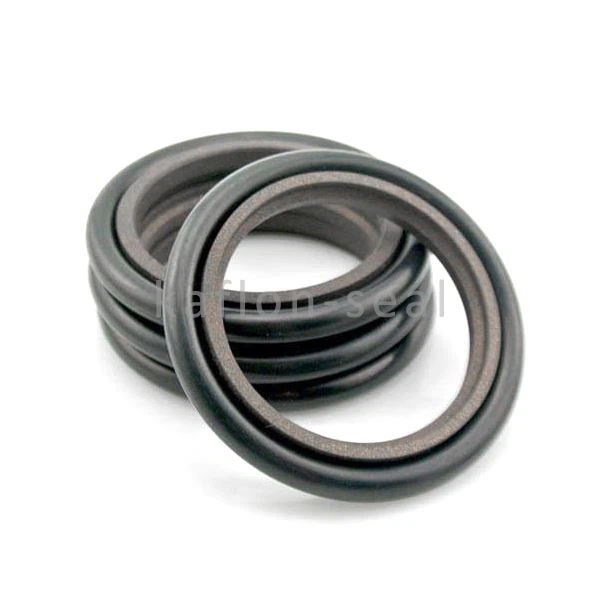
In addition to our PTFE Filled Polymer Step Seal Ring, we also provide other related products such as Hydraulic Piston Seal and Rod Sealing Glyd Ring. These products are carefully engineered to work together to provide a comprehensive sealing solution for your hydraulic system.
If you are unsure about how often to replace your hydraulic wear rings or need advice on the best products for your application, our team of experts is here to help. We can provide technical support, product recommendations, and assist you in determining the optimal replacement schedule for your hydraulic wear rings.
Conclusion
Determining how often to replace hydraulic wear rings is not a one-size-fits-all answer. It depends on a variety of factors, including operating conditions, material quality, design and installation, and maintenance practices. By understanding these factors and following the general guidelines provided in this blog post, you can ensure that your hydraulic wear rings are replaced at the appropriate time, maximizing the performance and longevity of your hydraulic system.
If you are interested in purchasing high-quality hydraulic wear rings or have any questions about our products, please do not hesitate to contact us. We look forward to the opportunity to discuss your specific requirements and help you find the best solutions for your hydraulic applications.
References
- "Hydraulic Seals Handbook" by John D. Constable
- "Fluid Power Technology" by Anthony Esposito
- Technical literature from hydraulic component manufacturers