


 Popular Blog Posts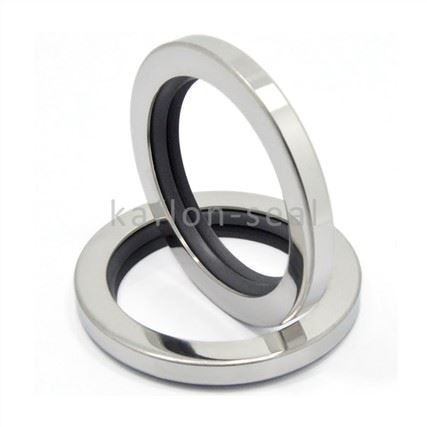



 Blog
BlogRotary shaft seals are essential components in various industrial applications, serving to prevent the leakage of fluids and the ingress of contaminants. As a leading supplier of rotary shaft seals, we understand the importance of differentiating between standard and heavy - duty rotary shaft seals to meet the diverse needs of our customers. In this blog, we will explore the key differences between these two types of seals, their respective applications, and how to choose the right one for your specific requirements.
1. Material and Construction
Standard rotary shaft seals are typically made from common elastomers such as nitrile rubber (NBR), fluorocarbon rubber (FKM), or silicone rubber. These materials offer good sealing performance under normal operating conditions. Nitrile rubber, for example, is known for its excellent resistance to oil and fuel, making it a popular choice for automotive and general industrial applications. The construction of standard seals often involves a simple design with a lip that makes contact with the shaft to create a seal.
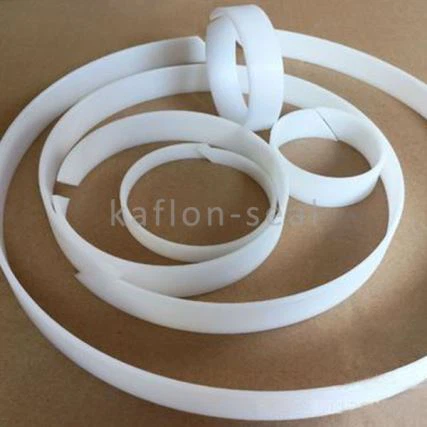
On the other hand, heavy - duty rotary shaft seals are constructed using more robust materials. PTFE (Polytetrafluoroethylene) is a common choice for heavy - duty applications. PTFE offers exceptional chemical resistance, low friction coefficients, and high temperature resistance. For instance, our Screw Comprosser PTFE Oil Seal is made from high - quality PTFE, which can withstand harsh chemicals and high - pressure environments. Heavy - duty seals also have a more complex construction, often featuring additional reinforcement layers or a more precise lip design to ensure a better seal under extreme conditions.
2. Performance Characteristics
Temperature Resistance
Standard seals usually have a limited temperature range. Nitrile rubber seals, for example, can typically operate in temperatures ranging from - 40°C to 120°C. Beyond this range, the rubber may harden or soften, leading to a loss of sealing performance.
Heavy - duty seals, especially those made from PTFE, can handle much higher temperatures. PTFE seals can operate in temperatures up to 260°C, making them suitable for applications where high - temperature resistance is crucial, such as in some industrial furnaces or high - performance engines.
Pressure Resistance
Standard rotary shaft seals are designed to withstand moderate pressures. They are suitable for applications where the pressure is relatively stable and within a certain range. For example, in a typical automotive engine, the oil pressure is usually in the range of 2 - 5 bar, and standard seals can effectively handle this pressure.
Heavy - duty seals are engineered to handle high and fluctuating pressures. In applications such as hydraulic systems or high - pressure pumps, the pressure can reach dozens or even hundreds of bars. Our Dynamic Sealing Rotary Shaft Seal Ring is designed to withstand such high - pressure conditions, ensuring reliable sealing performance.


Chemical Resistance
Standard elastomer seals have varying degrees of chemical resistance. Nitrile rubber has good resistance to oil and some common solvents, but it may not be suitable for applications involving strong acids or alkalis.
Heavy - duty PTFE seals offer superior chemical resistance. They are inert to most chemicals, including strong acids, alkalis, and organic solvents. This makes them ideal for applications in the chemical industry, where exposure to corrosive substances is common. Our Friction Coefficients PTFE Oil Seal Seal provides excellent chemical resistance, ensuring long - term performance in harsh chemical environments.
3. Applications
Standard Rotary Shaft Seals
Standard seals are widely used in a variety of common applications. In the automotive industry, they are used in engines, transmissions, and axles to prevent oil leakage. For example, in a car engine, standard nitrile rubber seals are used to seal the crankshaft and camshaft, ensuring proper lubrication and preventing oil from leaking out.
In the general industrial sector, standard seals are used in pumps, motors, and gearboxes. They are suitable for applications where the operating conditions are relatively mild, such as in a water pump for a domestic water supply system.
Heavy - Duty Rotary Shaft Seals
Heavy - duty seals are mainly used in demanding applications. In the aerospace industry, they are used in aircraft engines and hydraulic systems, where high - temperature, high - pressure, and high - reliability requirements must be met.
In the oil and gas industry, heavy - duty seals are used in drilling equipment, pumps, and valves. These applications often involve exposure to harsh chemicals, high pressures, and extreme temperatures. For example, in an offshore oil rig, heavy - duty PTFE seals are used to prevent the leakage of drilling fluids and ensure the safe operation of the equipment.
4. Choosing the Right Seal
When choosing between standard and heavy - duty rotary shaft seals, several factors need to be considered.
- Operating Conditions: If the application involves high temperatures, high pressures, or exposure to harsh chemicals, a heavy - duty seal is usually the better choice. On the other hand, if the operating conditions are relatively mild, a standard seal may be sufficient.
- Cost: Standard seals are generally more cost - effective than heavy - duty seals. If the application does not require the extreme performance of a heavy - duty seal, choosing a standard seal can help reduce costs.
- Service Life: Heavy - duty seals typically have a longer service life than standard seals, especially in harsh environments. If the cost of seal replacement is high or if continuous operation is required, investing in a heavy - duty seal may be more economical in the long run.
As a professional rotary shaft seal supplier, we have a wide range of products to meet your specific needs. Whether you need a standard seal for a common application or a heavy - duty seal for a demanding environment, we can provide you with high - quality solutions. If you are interested in our products or have any questions about rotary shaft seals, please feel free to contact us for a detailed consultation and procurement negotiation. We are committed to providing you with the best products and services to ensure the success of your projects.
References
- ASM Handbook, Volume 18: Friction, Lubrication, and Wear Technology, ASM International.
- Rubber Technology Handbook, Werner Hofmann, Hanser Publishers.
- PTFE: Properties, Processing, and Applications, David A. Tomalia, CRC Press.