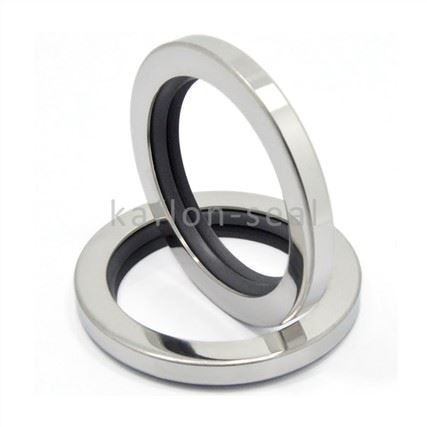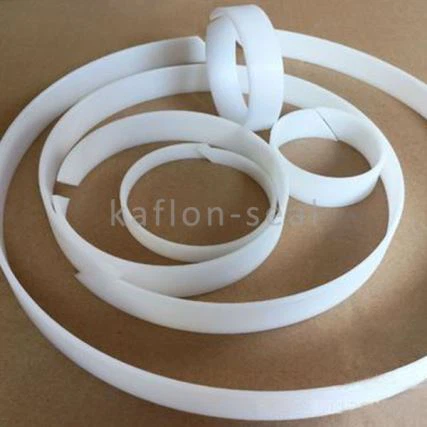

Hey there! As a supplier of hydraulic piston seals, I've been in the thick of it when it comes to understanding how various factors can impact the performance of these crucial components. One factor that often doesn't get as much attention as it should is the clearance. In this blog, I'm going to break down how clearance affects the performance of a hydraulic piston seal and why it's so important to get it right.
Let's start with the basics. What exactly is clearance in the context of a hydraulic piston seal? Well, clearance refers to the space between the piston and the cylinder wall. It's a small but mighty gap that can have a big impact on how well the seal works. When there's too much clearance, it can lead to a whole host of problems. On the other hand, if the clearance is too tight, that can cause issues as well.
One of the main ways that clearance affects the performance of a hydraulic piston seal is through leakage. When the clearance is too large, there's more room for fluid to bypass the seal. This can result in a loss of pressure within the hydraulic system, which can lead to reduced efficiency and performance. In some cases, it can even cause the system to fail altogether. For example, if you're using a hydraulic system to power heavy machinery, a leaky seal due to excessive clearance could mean that the machinery doesn't operate at full capacity, leading to delays and potentially costly repairs.
But it's not just about leakage. Excessive clearance can also cause wear and tear on the seal itself. As the piston moves back and forth within the cylinder, the seal has to work harder to maintain a proper seal. When there's too much clearance, the seal is more likely to experience uneven pressure and movement, which can cause it to wear out more quickly. This can lead to premature failure of the seal, which means you'll have to replace it more frequently. And let's face it, replacing seals can be a hassle and an expense that no one wants to deal with.
On the flip side, if the clearance is too small, it can also cause problems. A tight clearance can lead to increased friction between the piston and the seal. This friction can generate heat, which can damage the seal material over time. High temperatures can cause the seal to harden, crack, or lose its elasticity, all of which can compromise its ability to seal effectively. Additionally, the increased friction can also put more stress on the hydraulic system as a whole, potentially leading to increased energy consumption and reduced component lifespan.
So, how do you find the right clearance for your hydraulic piston seal? Well, it depends on a few factors. First, you need to consider the type of hydraulic system you're using. Different systems have different operating pressures, temperatures, and speeds, all of which can affect the ideal clearance. For example, a high-pressure hydraulic system may require a smaller clearance to prevent leakage, while a low-pressure system may be able to tolerate a slightly larger clearance.
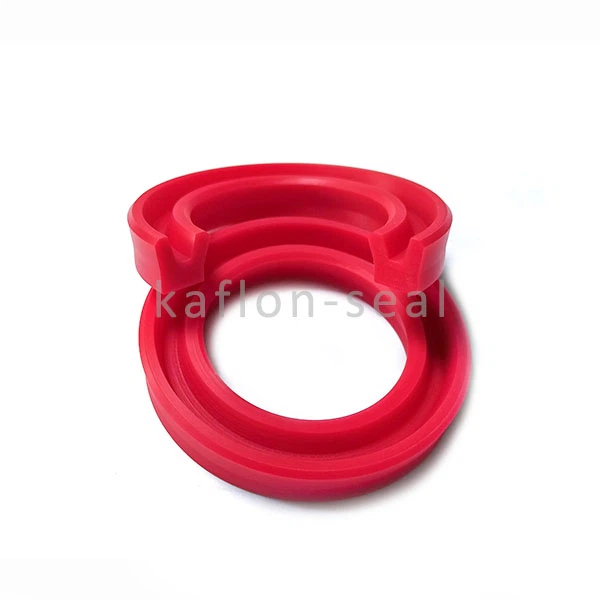
You also need to take into account the type of seal you're using. There are many different types of hydraulic piston seals available on the market, each with its own unique characteristics and requirements. For instance, a Rotary Glyd Ring is designed for rotary applications and may have different clearance requirements compared to a standard piston seal. Similarly, an Anti-ozone PU Seal or a Hydraulic PU Seal may have specific clearance recommendations based on the properties of the polyurethane material.
Another important factor to consider is the manufacturing tolerances of the piston and cylinder. Even the most precise manufacturing processes can result in some variation in the dimensions of these components. It's essential to ensure that the clearance is within an acceptable range to account for these tolerances. This may require some careful measurement and adjustment during the installation process.
At our company, we understand the importance of getting the clearance right for our customers. That's why we offer a wide range of hydraulic piston seals and provide expert advice on installation and maintenance. Our team of experienced engineers can help you determine the ideal clearance for your specific application, taking into account all of the factors mentioned above.
We also use high-quality materials and advanced manufacturing techniques to ensure that our seals are durable and reliable. Whether you're looking for a standard seal or a custom solution, we have the expertise and resources to meet your needs. And if you ever have any questions or concerns about the performance of your hydraulic piston seals, our customer support team is always here to help.
In conclusion, the clearance between the piston and the cylinder wall plays a crucial role in the performance of a hydraulic piston seal. Too much clearance can lead to leakage and premature wear, while too little clearance can cause increased friction and damage to the seal. By carefully considering the type of hydraulic system, the type of seal, and the manufacturing tolerances, you can find the right clearance to ensure optimal performance and longevity of your seals.

If you're in the market for high-quality hydraulic piston seals or need advice on clearance and installation, don't hesitate to reach out. We're here to help you keep your hydraulic systems running smoothly. Contact us today to start a conversation about your specific requirements and how we can assist you.
References
- "Hydraulic Seals Handbook" by a well - known industry expert
- Various technical papers on hydraulic system design and seal performance