
Hey there! As a supplier of hydraulic seals, I've seen firsthand how crucial these little components are in aerospace applications. Today, I'm gonna dive into how hydraulic seals perform in the aerospace world, sharing some insights and real - world knowledge.
The Basics of Hydraulic Seals in Aerospace
First off, let's talk about what hydraulic seals do. In simple terms, they prevent fluid leakage in hydraulic systems. In aerospace, where safety and precision are non - negotiable, these seals play a vital role. Hydraulic systems in aircraft are used for a variety of functions, such as landing gear operation, flight control surface actuation, and braking systems. A failure in a hydraulic seal could lead to a loss of hydraulic pressure, which might compromise the safety of the aircraft and its passengers.
Operating Conditions in Aerospace
The aerospace environment is extremely demanding. Hydraulic seals in this field have to deal with a wide range of temperatures, from the frigid cold at high altitudes to the heat generated by the aircraft's engines and friction. They also face high pressures, sometimes reaching thousands of pounds per square inch (psi). Moreover, they need to be resistant to various aerospace fluids, like hydraulic oils and fuels.
Performance Factors of Hydraulic Seals in Aerospace
Material Selection
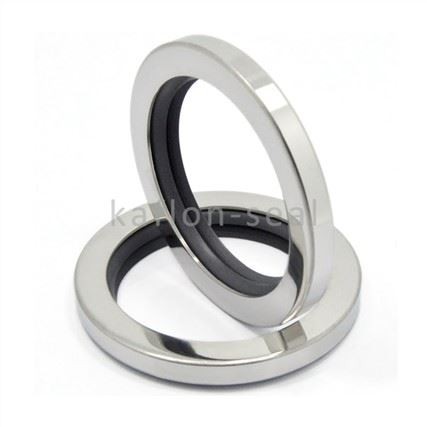
The choice of material for hydraulic seals is super important. Different materials have different properties that make them suitable for specific aerospace applications. For example, PTFE (Polytetrafluoroethylene) is a popular choice. PTFE has excellent chemical resistance, low friction, and can withstand high temperatures. Our PTFE With Polymer Hydraulic Seal combines the benefits of PTFE with the flexibility of polymers, providing a great solution for many aerospace hydraulic systems.
Elastomers are also commonly used. They can provide good sealing performance and are relatively inexpensive. However, they may not be as resistant to high temperatures and some harsh chemicals as PTFE. When selecting an elastomer, factors like hardness, tensile strength, and compression set need to be considered.
Design and Geometry
The design and geometry of hydraulic seals are key to their performance. For instance, the Single Acting Step Seal Ring is designed to work in one - direction, providing effective sealing in specific hydraulic applications. Its step - like shape helps to optimize the sealing force and prevent fluid leakage.
The cross - sectional shape of the seal also matters. O - rings are the most common type, but there are also other shapes like X - rings and D - rings. Each shape has its own advantages. X - rings, for example, have less friction and better sealing performance compared to O - rings in some cases.
Sealing Force and Pressure Resistance
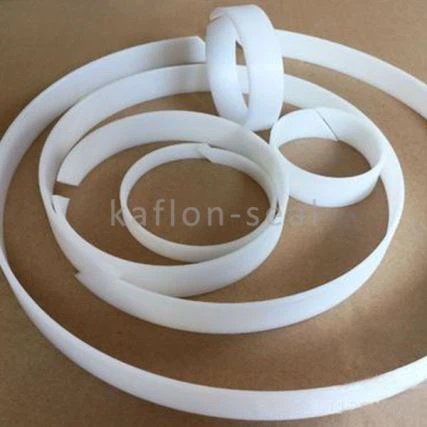
In aerospace, hydraulic seals need to maintain a proper sealing force under high pressures. The sealing force is determined by the material properties, the design of the seal, and the installation method. A seal that can't withstand the high pressures in an aerospace hydraulic system will leak, which is a big no - no. Our Hydraulic Wear Rings can help distribute the pressure evenly and reduce wear on the seals, enhancing their pressure resistance.
Real - World Applications
Landing Gear Systems
The landing gear is one of the most critical parts of an aircraft. Hydraulic seals in landing gear systems need to be extremely reliable. They are responsible for raising and lowering the landing gear and also for locking it in place during flight and landing. These seals have to endure high loads and pressures, especially during landing when the aircraft touches down on the runway. Our high - performance hydraulic seals ensure that the landing gear operates smoothly and safely.
Flight Control Surfaces
Flight control surfaces, such as ailerons, elevators, and rudders, are controlled by hydraulic systems. The hydraulic seals in these systems are essential for precise control of the aircraft's movement. Any leakage in these seals could lead to a loss of control, which is a serious safety hazard. Our seals are designed to provide accurate and consistent sealing, allowing for smooth and reliable operation of the flight control surfaces.
Braking Systems
Aircraft braking systems rely on hydraulic pressure to stop the aircraft on the runway. The hydraulic seals in these systems need to be able to handle high - pressure applications and rapid changes in pressure. They also need to be resistant to the heat generated during braking. Our hydraulic seals are engineered to meet these demanding requirements, ensuring effective braking performance.
Challenges and Solutions
Contamination
Contamination is a major challenge in aerospace hydraulic systems. Dust, dirt, and other particles can enter the system and damage the hydraulic seals. To address this issue, we use advanced filtration systems and sealing designs that prevent contaminants from reaching the seals. Regular maintenance and inspection of the hydraulic systems are also crucial to detect and remove any contaminants.

Wear and Tear
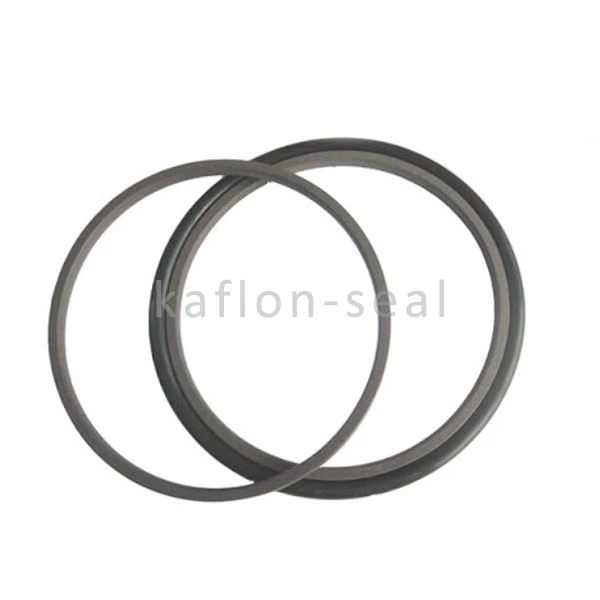
Over time, hydraulic seals will experience wear and tear due to friction and pressure. This can lead to a decrease in sealing performance. To combat this, we use high - quality materials and advanced manufacturing processes to increase the durability of our seals. Our Hydraulic Wear Rings are designed to reduce wear on the seals, extending their service life.
Why Choose Our Hydraulic Seals
We understand the unique requirements of the aerospace industry. Our hydraulic seals are designed and manufactured to the highest standards. We use the latest technologies and materials to ensure that our seals provide reliable performance in the most demanding aerospace applications. Whether it's for landing gear systems, flight control surfaces, or braking systems, our seals are up to the task.
If you're in the aerospace industry and looking for high - quality hydraulic seals, we'd love to hear from you. We can provide customized solutions based on your specific needs. Contact us to start a discussion about your hydraulic seal requirements and let's work together to ensure the safety and performance of your aerospace systems.
References
- Aircraft Hydraulic Systems Handbook
- Hydraulic Seals: Design, Materials, and Applications
- Aerospace Engineering Textbooks on Fluid Power Systems