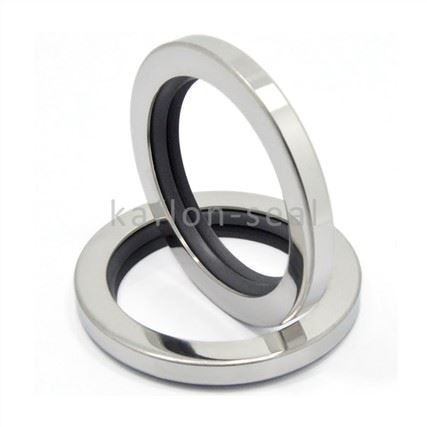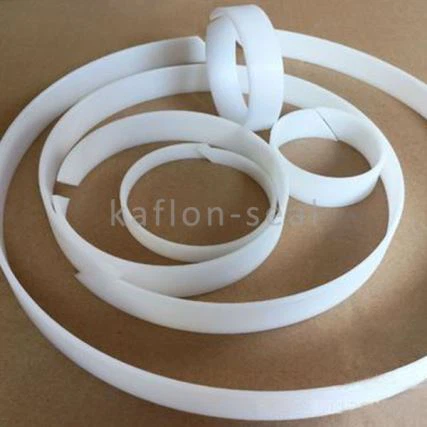

Hey there! As a supplier of Polyurethanes Seal, I often get asked if these seals can be used in hydraulic systems. Well, let's dive right into it and explore this topic in detail.
First off, let's understand what hydraulic systems are. Hydraulic systems use a fluid, usually oil, to transmit power. They're used in a wide range of applications, from heavy machinery like excavators and bulldozers to smaller equipment like car brakes. The key to a hydraulic system's efficiency is its ability to maintain pressure, and that's where seals come in.
Polyurethanes seals have some pretty awesome properties that make them a potential candidate for hydraulic systems. One of the main advantages is their high abrasion resistance. In a hydraulic system, there's a lot of movement and friction between different parts. Seals need to be able to withstand this wear and tear over time. Polyurethanes seals are tough cookies in this regard. They can handle a lot of rubbing and scraping without breaking down easily.
Another great thing about polyurethane seals is their excellent resistance to oil. Since hydraulic systems rely on oil as a working fluid, the seals need to be able to resist the oil's chemical properties. Polyurethanes have good compatibility with most hydraulic oils, which means they won't swell, shrink, or degrade when in contact with the oil. This helps to maintain a proper seal and prevent any leakage of the hydraulic fluid.
Let's talk about some specific types of polyurethane seals that could be used in hydraulic systems. There's the Polyurethane with Resistant to Hydrolysis. Hydrolysis is a chemical reaction that can occur when a material comes into contact with water. In a hydraulic system, there's always a risk of water contamination, especially in outdoor or humid environments. This type of polyurethane seal is designed to resist hydrolysis, which means it can maintain its integrity even when exposed to water.
Then there's the Fat Tolerance TPU Seal. TPU stands for thermoplastic polyurethane. These seals are known for their flexibility and toughness. They can tolerate the presence of fats and oils, which is important in hydraulic systems where there might be some contamination from other sources.
And let's not forget the Silicone Oil Resistance MPU Seal. Silicone oil is sometimes used in hydraulic systems, and these seals are specifically designed to resist the effects of silicone oil. They can prevent any damage or degradation that could occur when in contact with this type of oil.
However, it's not all sunshine and rainbows. There are some factors to consider before using polyurethane seals in hydraulic systems. One of the main concerns is temperature. Polyurethanes have a limited temperature range. If the hydraulic system operates at very high or very low temperatures, the seals might not perform as well. At high temperatures, the polyurethane can start to soften and lose its sealing properties. At low temperatures, it can become brittle and crack.
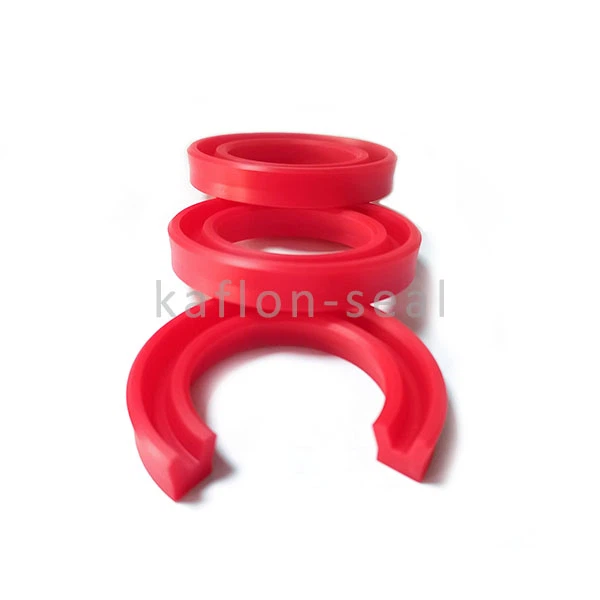
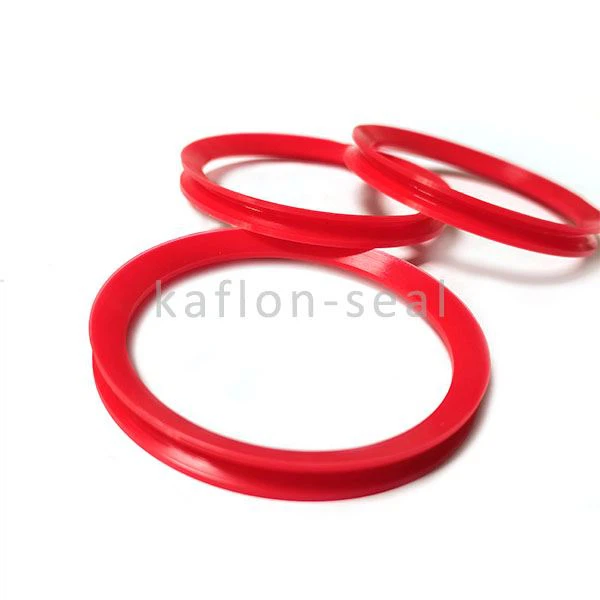
Another thing to think about is the pressure in the hydraulic system. Polyurethane seals need to be able to withstand the pressure without deforming or leaking. If the pressure is too high, it could cause the seal to fail. So, it's important to choose the right type of polyurethane seal that can handle the specific pressure requirements of the hydraulic system.
In addition, the type of hydraulic fluid used can also have an impact. While polyurethanes generally have good compatibility with most hydraulic oils, there are some specialized fluids that might require a different type of seal. For example, if the hydraulic fluid contains certain additives or has a unique chemical composition, it's important to make sure the polyurethane seal is compatible with it.
So, can polyurethanes seals be used in hydraulic systems? The answer is yes, but with some considerations. If you're in an environment where the temperature and pressure are within the polyurethane's operating range, and the hydraulic fluid is compatible, then polyurethane seals can be a great choice. They offer good abrasion resistance, oil resistance, and can come in different types to meet specific needs.
If you're in the market for polyurethane seals for your hydraulic system, I'd love to help. We've got a wide range of high - quality polyurethane seals that are designed to perform well in various hydraulic applications. Whether you need a seal that can resist hydrolysis, tolerate fats, or withstand silicone oil, we've got you covered. Just reach out to us, and we can start a conversation about your specific requirements.
In conclusion, polyurethane seals have a lot of potential in hydraulic systems, but it's crucial to do your homework and choose the right seal for your particular situation. Don't hesitate to contact us if you have any questions or need more information. We're here to make sure you get the best sealing solution for your hydraulic system.
References
- "Handbook of Elastomers"
- "Hydraulic System Design and Maintenance Guide"