


 Popular Blog Posts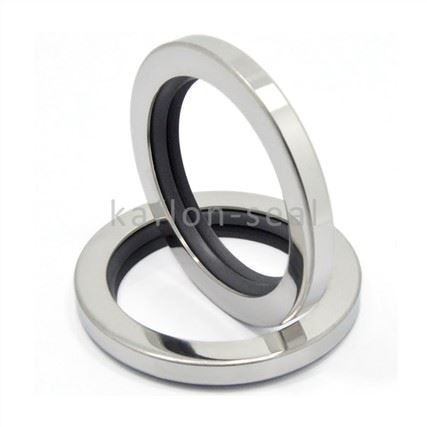


 Blog
BlogDo hydraulic wipers require maintenance? This is a question that often pops up in the minds of those involved in the hydraulic industry. As a supplier of hydraulic wipers, I've encountered this query numerous times from our customers. In this blog post, I'll delve into the topic to provide a comprehensive answer.
Understanding Hydraulic Wipers
Before we discuss maintenance, it's crucial to understand what hydraulic wipers are and their role. Hydraulic wipers are essential components in hydraulic systems. They are designed to keep contaminants such as dirt, dust, water, and other foreign particles from entering the hydraulic cylinder. By preventing these contaminants from entering, hydraulic wipers help to protect the internal components of the cylinder, such as the piston rod, seals, and bearings, from damage and wear.
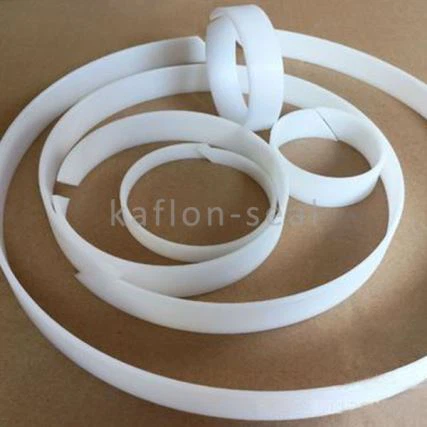
There are different types of hydraulic wipers available in the market, each with its own unique features and applications. For example, Phenolic Fabric Guide Rings are known for their excellent wear resistance and low friction characteristics. They are often used in high - pressure hydraulic systems where precise guiding of the piston rod is required. Phenolic Cloth Hydraulic Wiper is another type that offers good wiping performance and durability. It can effectively remove contaminants from the piston rod surface. PTFE Guide Rings are popular for their self - lubricating properties, which reduce friction and extend the service life of the hydraulic system.
The Need for Maintenance
Now, let's address the main question: do hydraulic wipers require maintenance? The short answer is yes. Although hydraulic wipers are designed to be robust and long - lasting, they are not immune to wear and tear. Over time, the constant movement of the piston rod against the wiper, exposure to contaminants, and the effects of temperature and pressure can all take a toll on the wiper's performance.
One of the primary reasons for maintaining hydraulic wipers is to ensure their proper functioning. A worn - out or damaged wiper may not be able to effectively seal out contaminants. This can lead to the ingress of dirt and other particles into the hydraulic cylinder, which can cause abrasion of the piston rod, damage to the seals, and ultimately, failure of the hydraulic system. For example, if dirt particles enter the cylinder, they can act like sandpaper on the piston rod surface, causing scratches and grooves. These imperfections can then compromise the sealing ability of the rod seals, leading to hydraulic fluid leakage.
Another reason for maintenance is to extend the service life of the hydraulic wipers. By regularly inspecting and maintaining the wipers, you can identify and address any potential issues before they become major problems. This can save you a significant amount of money in the long run by reducing the frequency of wiper replacements and preventing costly downtime due to hydraulic system failures.
Maintenance Practices
So, what are the maintenance practices for hydraulic wipers? Here are some key steps:
Regular Inspection
Regular inspection is the first step in maintaining hydraulic wipers. You should visually inspect the wipers for signs of wear, such as cracks, tears, or deformation. Check the wiping edge of the wiper to ensure it is clean and free from damage. If you notice any signs of wear or damage, it's important to replace the wiper as soon as possible. The frequency of inspection depends on the operating conditions of the hydraulic system. In harsh environments, such as construction sites or mining operations, inspections may need to be carried out more frequently, perhaps weekly or monthly. In less demanding environments, quarterly inspections may be sufficient.
Cleaning
Cleaning the hydraulic wipers is also an important maintenance practice. Use a clean, lint - free cloth and a suitable cleaning agent to remove any dirt, oil, or other contaminants from the wiper surface. Be careful not to use abrasive materials or harsh chemicals that could damage the wiper. After cleaning, make sure the wiper is completely dry before reinstalling it.
Lubrication
Proper lubrication can help to reduce friction between the wiper and the piston rod, which can extend the service life of the wiper. Use a lubricant that is compatible with the hydraulic fluid and the material of the wiper. Apply the lubricant evenly to the wiping edge of the wiper. However, be careful not to over - lubricate, as excess lubricant can attract dirt and other contaminants.
Replacement
Even with proper maintenance, hydraulic wipers will eventually need to be replaced. The replacement interval depends on several factors, such as the type of wiper, the operating conditions, and the frequency of use. As a general rule, it's a good idea to have a replacement schedule based on the manufacturer's recommendations. For example, some manufacturers may recommend replacing the wipers every 1000 hours of operation or every year, whichever comes first.
Impact of Maintenance on System Performance
Maintaining hydraulic wipers has a direct impact on the performance of the hydraulic system. A well - maintained wiper ensures that the hydraulic system operates smoothly and efficiently. By preventing the ingress of contaminants, the wipers help to keep the internal components of the cylinder clean and in good condition. This reduces friction and wear on the piston rod and seals, which in turn improves the overall efficiency of the hydraulic system.
In addition, proper maintenance of hydraulic wipers can also improve the reliability of the hydraulic system. By reducing the risk of system failures due to wiper - related issues, you can minimize downtime and increase productivity. This is especially important in industries where hydraulic systems are critical for operations, such as manufacturing, transportation, and agriculture.
Conclusion
In conclusion, hydraulic wipers do require maintenance. Regular inspection, cleaning, lubrication, and timely replacement are essential practices to ensure the proper functioning and extend the service life of the wipers. As a supplier of hydraulic wipers, we understand the importance of providing high - quality products and also guiding our customers on how to maintain them.


If you are interested in purchasing our hydraulic wipers or have any questions about their maintenance, we invite you to contact us for further discussion. Our team of experts is always ready to assist you in finding the right hydraulic wipers for your specific needs and providing you with detailed maintenance guidelines.
References
- "Hydraulic Seals Handbook" by John S. Campbell
- "Fluid Power Technology" by George E. Dieter