


 Popular Blog Posts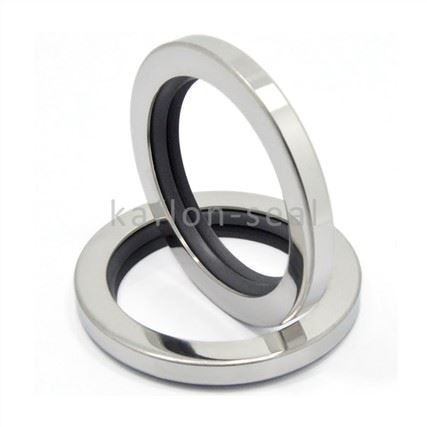


 Blog
BlogSpring energized seals are advanced sealing solutions that have found widespread use in various industries due to their high performance and reliability. As a leading supplier of spring energized seals, I often receive inquiries about their applicability in different types of equipment. One such question that has come up frequently is whether spring energized seals can be used in ceramic manufacturing equipment. In this blog post, I will explore this topic in detail, discussing the unique requirements of ceramic manufacturing, the properties of spring energized seals, and how they can potentially be a good fit for this industry.
The Unique Requirements of Ceramic Manufacturing Equipment
Ceramic manufacturing involves a series of processes that expose equipment to harsh conditions. These processes typically include mixing raw materials, forming the ceramic pieces, and firing them at high temperatures. Each stage presents its own set of challenges for sealing solutions.
During the mixing stage, the equipment comes into contact with abrasive ceramic powders and various chemicals. The seals need to prevent the leakage of these substances, which can be harmful to both the environment and the equipment itself. Abrasion resistance is crucial, as the fine ceramic particles can quickly wear down traditional seals.
In the forming process, hydraulic and pneumatic systems are often used to shape the ceramic materials. These systems require seals that can withstand high pressures and provide a reliable seal to ensure consistent performance. Any leakage in these systems can lead to inaccurate shaping and reduced product quality.
The firing stage is perhaps the most demanding for seals. Ceramic materials are fired at extremely high temperatures, often exceeding 1000°C. Seals used in this stage must be able to maintain their integrity and sealing properties at these elevated temperatures. Thermal stability is a key factor, as seals that degrade at high temperatures can cause process failures and equipment damage.
Properties of Spring Energized Seals
Spring energized seals are designed to address many of the challenges presented by harsh operating conditions. They consist of a sealing element, typically made of a high-performance polymer such as PTFE (polytetrafluoroethylene) or PEEK (polyether ether ketone), and a metal spring. The spring provides a continuous force that ensures the sealing element remains in contact with the sealing surface, even under varying pressures and temperatures.
One of the main advantages of spring energized seals is their low friction. The PTFE or PEEK sealing element has a very low coefficient of friction, which reduces wear and tear on both the seal and the mating surfaces. This low friction also allows for smooth operation of the equipment, reducing energy consumption and extending the service life of the seals. You can learn more about our Low Friction PTFE Peek Spring Energized Seal.
Spring energized seals also offer excellent chemical resistance. PTFE and PEEK are highly resistant to a wide range of chemicals, including acids, bases, and solvents. This makes them suitable for use in environments where the equipment is exposed to corrosive substances, such as in the mixing stage of ceramic manufacturing.
In terms of temperature resistance, spring energized seals can be designed to withstand a wide range of temperatures. Specialized materials and spring designs can be used to ensure that the seals maintain their sealing performance at high temperatures, making them potentially suitable for the firing stage of ceramic manufacturing.
Potential Applications of Spring Energized Seals in Ceramic Manufacturing Equipment
Mixing Equipment
In ceramic mixing equipment, spring energized seals can be used to seal the shafts of mixers and agitators. The low friction and abrasion resistance of these seals make them ideal for preventing the leakage of abrasive ceramic powders. The chemical resistance of the sealing materials also ensures that the seals can withstand the various chemicals used in the mixing process.
Forming Equipment
Hydraulic and pneumatic cylinders used in the forming process require reliable seals to maintain high pressures. Spring energized seals can provide a tight seal even under high-pressure conditions, ensuring consistent performance and accurate shaping of the ceramic materials. Our PTFE Dual Lip Spring Loaded Shaft Seal is a great option for these applications, as it offers enhanced sealing performance and durability.
Firing Equipment
Although the high temperatures in the firing stage are extremely challenging, some spring energized seals can be designed to withstand these conditions. By using high-temperature-resistant materials and specialized spring designs, these seals can be used to seal doors, vents, and other openings in the kilns. This helps to maintain the proper atmosphere inside the kiln and prevent heat loss, improving the efficiency of the firing process.
Case Studies: Spring Energized Seals in Similar High - Performance Applications
While there may not be as many publicly available case studies specifically on spring energized seals in ceramic manufacturing, there are numerous examples of their successful use in other high - performance applications. For instance, in Spring - Energized Seals in HPLC Plunger Pumps, these seals are used to provide a reliable seal in high - pressure liquid chromatography pumps. The pumps operate under high pressures and require seals that can maintain their performance over long periods of time. Spring energized seals have proven to be a reliable solution, reducing downtime and improving the overall efficiency of the pumps.


Challenges and Considerations
Despite the potential benefits of using spring energized seals in ceramic manufacturing equipment, there are some challenges and considerations that need to be taken into account.
The cost of spring energized seals is generally higher than that of traditional seals. However, it is important to consider the long - term savings in terms of reduced maintenance, improved equipment performance, and higher product quality.
The design and installation of spring energized seals require careful consideration. The seals need to be properly sized and installed to ensure optimal performance. In some cases, custom - designed seals may be required to meet the specific requirements of the ceramic manufacturing equipment.
Conclusion
In conclusion, spring energized seals have the potential to be a valuable solution for ceramic manufacturing equipment. Their low friction, abrasion resistance, chemical resistance, and temperature resistance make them suitable for the harsh conditions present in ceramic manufacturing processes. While there are challenges and considerations, such as cost and proper design and installation, the benefits of using these seals can outweigh the drawbacks.
If you are in the ceramic manufacturing industry and are looking for reliable sealing solutions, I encourage you to consider spring energized seals. Our team of experts can work with you to determine the best seal design and material for your specific application. We are committed to providing high - quality products and excellent customer service. Contact us to discuss your requirements and start a procurement negotiation today.
References
- “High - Performance Sealing Solutions for Industrial Applications.” Sealing Technology Journal, Vol. XX, Issue XX, 20XX.
- “Materials Science and Engineering for Sealing Applications.” Springer, 20XX.