
Do hydraulic wear rings require special maintenance?
As a supplier of hydraulic wear rings, I've received numerous inquiries about the maintenance requirements of these crucial components in hydraulic systems. In this blog post, I'll delve into whether hydraulic wear rings demand special maintenance, highlighting key factors related to their upkeep and performance.
Understanding Hydraulic Wear Rings
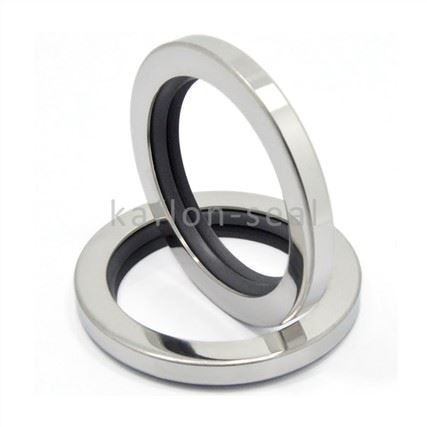
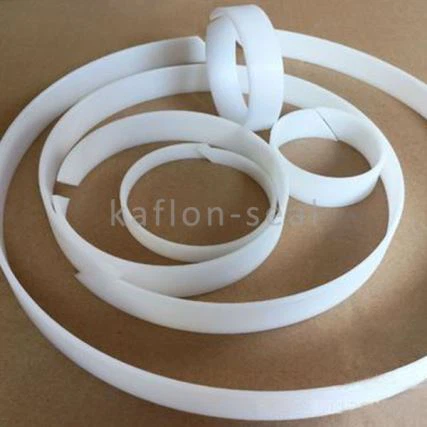
Hydraulic wear rings play a vital role in hydraulic cylinders and systems. They are installed adjacent to the seals to maintain proper alignment of the piston and rod, preventing metal - to - metal contact and reducing friction. This not only extends the lifespan of the hydraulic components but also ensures the efficient operation of the entire system.
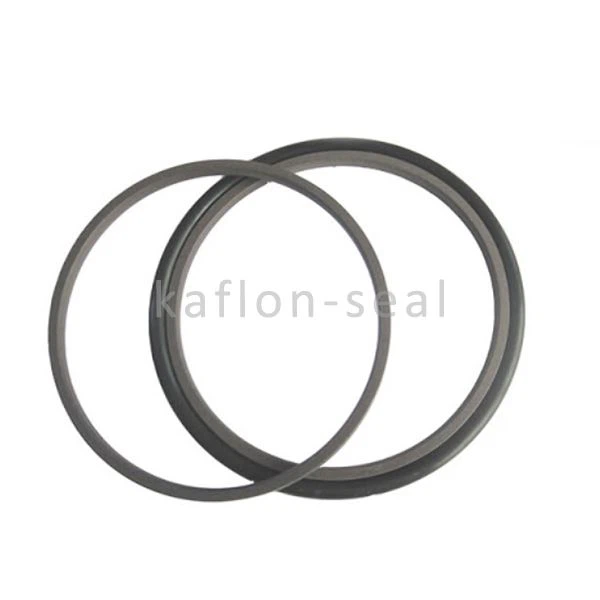
We offer a wide range of hydraulic wear rings, including PTFE With Polymer Hydraulic Seal, Long Life Hydraulic Glyd Ring Seal, and PTFE Filled With Brozen Glyd Ring Seal. Each type has its unique properties and applications, tailored to meet different industrial requirements.

General Maintenance Considerations
1. Contamination Control
One of the primary factors affecting the performance and longevity of hydraulic wear rings is contamination. Particles such as dirt, dust, and metal shavings in the hydraulic fluid can cause abrasion on the wear rings, leading to premature wear and potential failure. Regularly checking and changing the hydraulic fluid according to the manufacturer's recommendations is essential. A high - quality filtration system should be in place to remove contaminants from the fluid before they reach the wear rings.
When the fluid is contaminated, the wear rings may experience accelerated wear, which can disrupt the proper functioning of the hydraulic cylinder. This can result in issues such as leakage, reduced efficiency, and increased energy consumption. Therefore, maintaining a clean hydraulic fluid environment is a fundamental part of wear ring maintenance, even if it's not always considered “special” in a complex sense.
2. Pressure and Temperature
Hydraulic systems operate under varying pressures and temperatures. Excessive pressure can cause deformation of the wear rings, while extreme temperatures can affect their material properties. For example, high temperatures may cause the material to soften, reducing its mechanical strength and wear - resistance. Monitoring the operating pressure and temperature of the hydraulic system is crucial. If the system consistently operates outside the recommended parameters, adjustments may need to be made, such as adjusting the pressure relief valve or improving the cooling system.
Special Maintenance Requirements
1. Material - Specific Maintenance
The material of the hydraulic wear ring determines its special maintenance needs. For instance, PTFE - based wear rings are known for their low friction and chemical resistance. However, they can be sensitive to certain chemicals and high - energy radiation. If the hydraulic system is exposed to aggressive chemicals in the environment, check the compatibility of the PTFE wear rings with these substances. In some cases, additional protective measures or a change of material may be required.
On the other hand, wear rings made of bronze or other metal alloys may require rust prevention. If the hydraulic system operates in a humid or corrosive environment, applying an anti - rust coating or using other corrosion - prevention techniques can help extend the life of the metal wear rings.
2. Inspection and Replacement Intervals
Regular inspection is crucial for detecting early signs of wear and tear. This involves disassembling the hydraulic cylinder at appropriate intervals to visually check the condition of the wear rings. If the wear rings show signs of excessive wear, such as significant dimensional changes, cracks, or grooves, they should be replaced immediately.
The inspection and replacement intervals depend on several factors, including the operating conditions of the hydraulic system, the type of wear rings used, and the manufacturer's recommendations. In high - demand applications, the inspection and replacement intervals may be shorter compared to less - critical systems.
The Impact of Proper Maintenance
Proper maintenance of hydraulic wear rings offers numerous benefits. Firstly, it ensures the reliability of the hydraulic system. By preventing premature wear and failure of the wear rings, the system is less likely to experience unexpected breakdowns, reducing downtime and maintenance costs.
Secondly, it enhances the performance of the hydraulic system. Well - maintained wear rings can reduce friction and leakage, improving the overall efficiency of the system. This leads to better control, smoother operation, and potentially lower energy consumption.
Conclusion
In conclusion, while some aspects of hydraulic wear ring maintenance, such as contamination control and monitoring pressure and temperature, are general practices applicable to many hydraulic components, there are indeed special maintenance requirements. Material - specific considerations, careful inspection, and timely replacement are key elements in ensuring the long - term performance of hydraulic wear rings.
If you're in the market for high - quality hydraulic wear rings or have questions about their maintenance, don't hesitate to reach out. We're here to assist you in finding the right products for your application and providing guidance on proper maintenance procedures. Let's start a conversation about your hydraulic wear ring needs and how we can support your business.
References
- Hydraulic Systems Handbook, Various Industry Publications
- Manufacturer's Documentation for Hydraulic Wear Rings
- Studies on Wear and Friction in Hydraulic Components