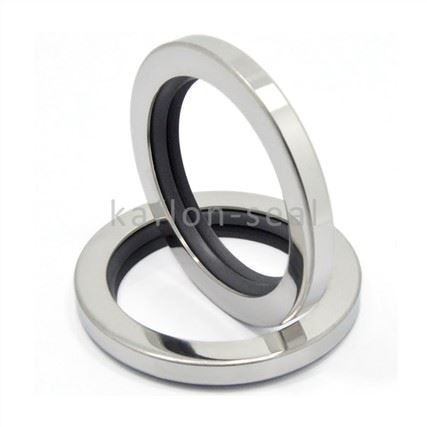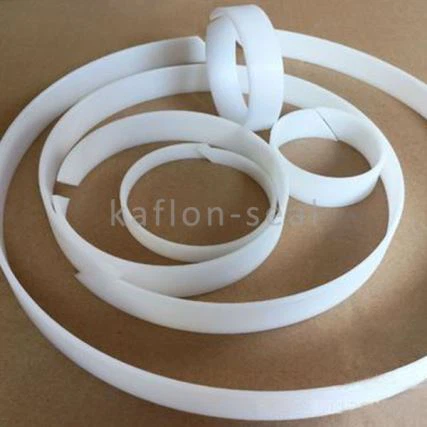

Hey there! As a supplier of hydraulic piston seals, I've seen firsthand how crucial these little components are in keeping hydraulic systems running smoothly. In this blog, I'm gonna share some tips on how to maintain a hydraulic piston seal.

Understanding Hydraulic Piston Seals
First off, let's quickly go over what hydraulic piston seals are. These seals play a vital role in hydraulic cylinders, preventing the leakage of hydraulic fluid and maintaining the pressure within the system. They're like the guardians of your hydraulic setup, ensuring that everything works as it should.
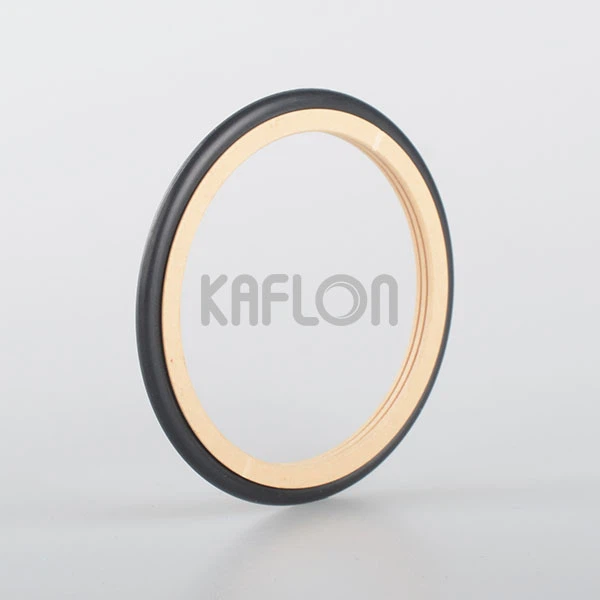
There are different types of hydraulic piston seals out there. For example, the Resistant To Mineral Hydraulic Oil Glyd Ring is designed to withstand the harsh conditions of mineral hydraulic oil. It's a tough seal that can handle a lot of pressure and wear. Then, there's the Rotating Glyd Ring, which is used in applications where rotation is involved. And the Single Acting Step Seal Ring is great for single - acting hydraulic cylinders.
Regular Inspection
One of the most important steps in maintaining a hydraulic piston seal is regular inspection. You should check your seals frequently to catch any signs of wear or damage early on. Look for things like cracks, cuts, or excessive wear on the seal surface. If you notice any of these issues, it might be time to replace the seal.
Inspecting the seals is not just about looking at the seal itself. You also need to check the cylinder bore and piston rod for any scratches or roughness. These can cause damage to the seal over time. Make sure the surfaces are clean and smooth. If you find any rough spots, you can use a fine - grit sandpaper to smooth them out.
Proper Installation
Proper installation is key to the long - term performance of a hydraulic piston seal. When installing a seal, make sure you follow the manufacturer's instructions carefully. Use the right tools and techniques to avoid damaging the seal during installation.
Before installing the seal, clean all the components thoroughly. Any dirt or debris can cause the seal to fail prematurely. You can use a suitable cleaning agent to clean the cylinder bore, piston rod, and the seal itself. Make sure everything is dry before you start the installation process.
When inserting the seal, be gentle. Don't force it into place. If it doesn't fit easily, there might be something wrong. Check for any obstructions or misalignments. Lubricate the seal with the appropriate hydraulic fluid before installation. This will make the installation process easier and also help the seal perform better.
Fluid Management
The quality and condition of the hydraulic fluid are also crucial for the maintenance of hydraulic piston seals. Make sure you use the right type of hydraulic fluid recommended for your system. Different fluids have different properties, and using the wrong one can cause damage to the seal.
Regularly check the fluid level and quality. Low fluid levels can cause cavitation, which can damage the seal. If the fluid is dirty or contaminated, it can also wear out the seal faster. You should replace the hydraulic fluid at regular intervals as recommended by the manufacturer.
Filter the hydraulic fluid regularly. A good filter can remove dirt, debris, and other contaminants from the fluid, protecting the seal and other components in the system.
Temperature and Pressure Control
Hydraulic piston seals are sensitive to temperature and pressure. High temperatures can cause the seal material to expand and degrade, while high pressures can cause the seal to extrude.
Make sure your hydraulic system is operating within the recommended temperature and pressure ranges. If the system is running too hot, you might need to install a cooling system. If the pressure is too high, check for any blockages or malfunctions in the system. You can also use pressure - relief valves to prevent over - pressurization.
Storage
If you have spare hydraulic piston seals, proper storage is important. Store the seals in a cool, dry place away from direct sunlight. Exposure to sunlight and high temperatures can damage the seal material over time.
Keep the seals in their original packaging or use a suitable storage container. Make sure the seals are not bent or deformed during storage. Also, avoid storing the seals near any chemicals or solvents that could damage them.
Training and Education
If you have a team working with hydraulic systems, make sure they are properly trained in seal maintenance. They should know how to inspect, install, and replace the seals correctly. Provide them with the necessary training and resources to do their jobs effectively.
When to Replace
Even with the best maintenance, hydraulic piston seals will eventually wear out. So, it's important to know when to replace them. If you notice any of the following signs, it's probably time for a new seal:
- Leakage of hydraulic fluid around the seal.
- Deterioration of the seal material, such as cracking or swelling.
- Increased friction or resistance in the hydraulic system, which could be a sign of a damaged seal.
Conclusion
Maintaining a hydraulic piston seal isn't rocket science, but it does require attention to detail. By following these tips on regular inspection, proper installation, fluid management, temperature and pressure control, storage, and knowing when to replace the seal, you can keep your hydraulic system running efficiently for a long time.
If you're in the market for high - quality hydraulic piston seals, we're here to help. We offer a wide range of seals, including the Resistant To Mineral Hydraulic Oil Glyd Ring, Rotating Glyd Ring, and Single Acting Step Seal Ring. Contact us today to discuss your requirements and let's start a great business relationship.
References
- Hydraulic Seals Handbook
- Manufacturer's guidelines for hydraulic piston seals
- Technical papers on hydraulic system maintenance