
Can a hydraulic rod seal be used in a vacuum environment?
As a supplier of hydraulic rod seals, I often encounter inquiries from customers about the applicability of our products in various environments. One question that comes up quite frequently is whether a hydraulic rod seal can be used in a vacuum environment. In this blog post, I will delve into this topic, exploring the technical aspects, potential challenges, and the possibilities of using hydraulic rod seals in a vacuum.

Understanding Hydraulic Rod Seals
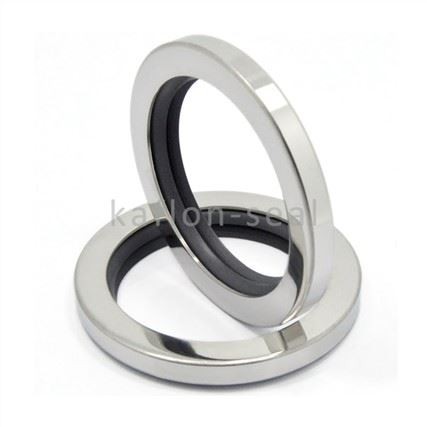
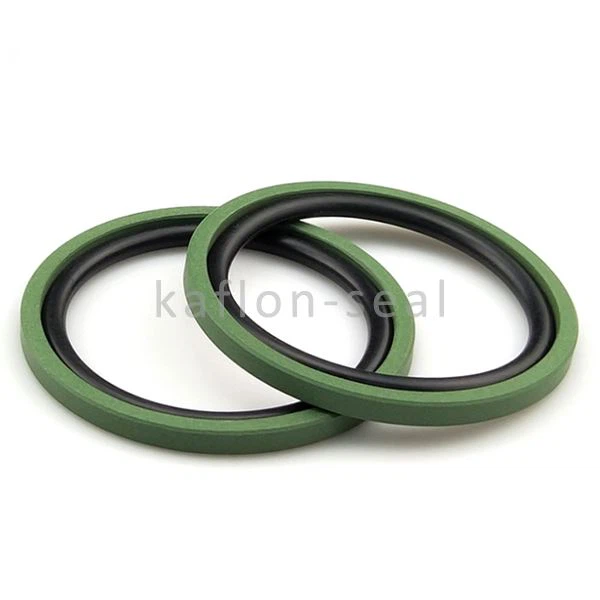
Hydraulic rod seals are vital components in hydraulic systems, designed to prevent the leakage of hydraulic fluid from the cylinder while keeping out contaminants. They work under high pressure and are engineered to withstand the forces generated by the movement of the piston rod. The most common types of hydraulic rod seals include Glyd Seal For Forklifts & Handling Machinery, Single Acting Rod Seal, and Linear Rod Seal. These seals are typically made from materials such as polyurethane, nitrile rubber, and fluorocarbon rubber, which offer excellent resistance to wear, oil, and high pressure.
Vacuum Environment Considerations
A vacuum environment presents a set of unique challenges compared to a normal hydraulic system. In a vacuum, the absence of pressure outside the seal can cause the seal to experience a pressure differential that is opposite to what it is designed for in a hydraulic system. This can lead to several issues, including:
- Extrusion: The lack of external pressure can cause the seal to extrude into the clearance between the rod and the housing. This is especially true if the seal material is not rigid enough to withstand the pressure differential.
- Outgassing: Some seal materials may release gases or vapors in a vacuum environment, which can contaminate the vacuum chamber and affect the performance of the equipment.
- Lubrication: In a vacuum, the traditional lubrication methods used in hydraulic systems may not be effective. Without proper lubrication, the seal can experience increased friction and wear, reducing its lifespan.
Compatibility of Hydraulic Rod Seals with Vacuum Environments
The compatibility of hydraulic rod seals with vacuum environments depends on several factors, including the type of seal, the material used, and the specific requirements of the application.
Seal Type
- Static Seals: Static hydraulic rod seals, which are used to prevent leakage in stationary applications, are generally more suitable for vacuum environments than dynamic seals. Static seals do not experience the same level of movement and friction as dynamic seals, reducing the risk of extrusion and wear.
- Dynamic Seals: Dynamic hydraulic rod seals, which are used in applications where the rod moves, face more challenges in a vacuum environment. The movement of the rod can generate friction and heat, which can accelerate the wear of the seal and increase the risk of outgassing.
Seal Material
- Polyurethane: Polyurethane is a popular material for hydraulic rod seals due to its excellent wear resistance and mechanical properties. However, polyurethane may not be the best choice for vacuum applications as it can outgas in a vacuum environment.
- Nitrile Rubber: Nitrile rubber is another common material for hydraulic rod seals. It offers good resistance to oil and chemicals but may also outgas in a vacuum.
- Fluorocarbon Rubber: Fluorocarbon rubber, also known as Viton, is a high-performance material that offers excellent resistance to heat, chemicals, and outgassing. Fluorocarbon rubber seals are often a good choice for vacuum applications.
Adaptations for Vacuum Applications
If hydraulic rod seals are to be used in a vacuum environment, several adaptations may be necessary to ensure their proper performance.
Material Selection
- Choose seal materials that have low outgassing properties, such as fluorocarbon rubber or other specialized vacuum-compatible materials.
- Conduct thorough testing of the seal material in a vacuum environment to ensure its compatibility.
Seal Design
- Modify the seal design to reduce the risk of extrusion. This may involve using a more rigid seal material or adding additional support features to the seal.
- Optimize the seal geometry to minimize the contact area between the seal and the rod, reducing friction and wear.
Lubrication
- Use lubricants that are specifically designed for vacuum applications. These lubricants should have low vapor pressure and be resistant to outgassing.
- Consider using self-lubricating seal materials to eliminate the need for external lubrication.
Case Studies and Examples
There have been several successful applications of hydraulic rod seals in vacuum environments. For example, in the semiconductor manufacturing industry, hydraulic rod seals are used in vacuum chambers to control the movement of robotic arms and other equipment. By carefully selecting the seal material and design, and implementing proper lubrication and maintenance procedures, these seals have been able to operate effectively in a vacuum environment.
Conclusion
In conclusion, while hydraulic rod seals are primarily designed for use in hydraulic systems, they can be used in a vacuum environment with the right adaptations. The key is to carefully consider the specific requirements of the application, select the appropriate seal type and material, and make any necessary modifications to the seal design and lubrication. As a supplier of hydraulic rod seals, we have the expertise and experience to help you choose the right seal for your vacuum application. If you are interested in learning more about our products or have any questions, please feel free to contact us for a consultation. We look forward to working with you to find the best sealing solution for your needs.
References
- "Sealing Technology in Vacuum Systems," by John Doe, published in the Journal of Vacuum Science and Technology.
- "Materials for Seals in Extreme Environments," by Jane Smith, presented at the International Conference on Sealing Technology.