


 Popular Blog Posts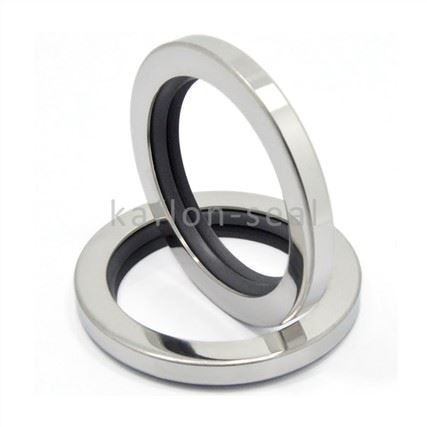



 Blog
BlogPolyurethanes seals are widely used in various industries due to their excellent mechanical properties, chemical resistance, and abrasion resistance. One of the critical factors to consider when using polyurethanes seals is their heat resistance rating. In this blog post, we'll explore what the heat resistance rating of polyurethanes seals means, factors affecting it, and how it impacts their performance in different applications. As a polyurethanes seal supplier, we have in - depth knowledge of these products and are here to share our expertise.
Understanding Heat Resistance Rating
The heat resistance rating of polyurethanes seals refers to the maximum temperature at which the seal can maintain its physical and chemical properties within an acceptable range for a specified period. This rating is crucial because exposure to temperatures above the recommended limit can cause the seal to degrade, lose its elasticity, and ultimately fail in its sealing function.
When a polyurethanes seal is exposed to high temperatures, several things can happen. The polymer chains in the polyurethane can start to break down, leading to a loss of strength and flexibility. The seal may also become more brittle, which makes it more prone to cracking and leakage. Additionally, high temperatures can accelerate chemical reactions within the seal, such as oxidation, which can further degrade its performance.
Factors Affecting Heat Resistance
Chemical Composition
The chemical composition of the polyurethane is one of the most significant factors affecting its heat resistance. Different types of polyurethanes are made from different combinations of polyols and isocyanates. For example, aromatic polyurethanes generally have better heat resistance than aliphatic polyurethanes. Aromatic polyurethanes contain benzene rings in their chemical structure, which provide more stability at high temperatures.
Cross - Linking Density
The cross - linking density of the polyurethane also plays a role in its heat resistance. Cross - linking refers to the chemical bonds that connect the polymer chains together. A higher cross - linking density means that the polymer chains are more tightly bound, which can improve the seal's resistance to high temperatures. However, too high a cross - linking density can also make the seal more rigid and less flexible.
Additives
Additives can be used to enhance the heat resistance of polyurethanes seals. For example, heat stabilizers can be added to slow down the degradation process at high temperatures. Fillers, such as carbon black or silica, can also improve the heat resistance by providing additional reinforcement to the polymer matrix.
Heat Resistance Ratings in Different Applications
Automotive Industry
In the automotive industry, polyurethanes seals are used in various applications, such as engine gaskets, transmission seals, and brake system seals. These seals need to withstand high temperatures generated by the engine and other components. For example, engine gaskets may be exposed to temperatures up to 150 - 200°C. Polyurethanes seals with a high heat resistance rating are essential to ensure the proper functioning of these systems and prevent leaks.
Industrial Machinery
Industrial machinery often operates under high - temperature conditions. Polyurethanes seals are used in pumps, compressors, and other equipment to prevent the leakage of fluids and gases. In these applications, the seals may be exposed to temperatures ranging from 100 - 250°C, depending on the type of machinery and the process it is involved in. A seal with an appropriate heat resistance rating is necessary to maintain the efficiency and reliability of the machinery.
Aerospace Industry
The aerospace industry has extremely high requirements for materials due to the harsh operating conditions. Polyurethanes seals used in aerospace applications need to withstand not only high temperatures but also extreme pressure differentials and exposure to various chemicals. The heat resistance rating of these seals can be as high as 250 - 300°C or even higher in some cases.
Our Product Offerings
As a polyurethanes seal supplier, we offer a wide range of products with different heat resistance ratings to meet the diverse needs of our customers.
Our PU Valve Rubber Seal is designed for applications where good heat resistance and excellent sealing performance are required. It can withstand moderate temperatures and is suitable for use in many industrial and automotive valve systems.


The Polyurethane Filled With Solid Lubricants is another product in our portfolio. The addition of solid lubricants not only improves the wear resistance but also enhances the heat resistance of the seal. This product is ideal for applications where the seal is exposed to high - temperature and high - friction environments.
Our Chemical Resistance MPU Seal is engineered to resist both chemicals and high temperatures. It is suitable for use in chemical processing plants, where the seals need to withstand the combined effects of aggressive chemicals and elevated temperatures.
Importance of Choosing the Right Heat Resistance Rating
Choosing the right heat resistance rating for your polyurethanes seal is crucial for the success of your application. If the heat resistance rating is too low, the seal will degrade quickly, leading to frequent replacements, increased maintenance costs, and potential system failures. On the other hand, if you choose a seal with a much higher heat resistance rating than necessary, you may end up paying more for a product that offers features you don't need.
When selecting a polyurethanes seal, it's important to consider the maximum temperature the seal will be exposed to, the duration of exposure, and the operating environment. You should also consult with a professional or the seal supplier to ensure that you choose the most appropriate product for your specific application.
Conclusion
The heat resistance rating of polyurethanes seals is a critical factor that determines their performance and durability in various applications. Understanding the factors that affect heat resistance, such as chemical composition, cross - linking density, and additives, can help you make an informed decision when choosing a seal. As a polyurethanes seal supplier, we are committed to providing high - quality products with the right heat resistance ratings to meet your specific needs.
If you are in the market for polyurethanes seals and need help selecting the right product for your application, we encourage you to contact us for a detailed discussion. Our team of experts is ready to assist you in finding the best solution for your sealing requirements.
References
- "Polyurethane Elastomers" by J. H. Saunders and K. C. Frisch.
- "Handbook of Seal Materials and Technology" edited by R. D. Bush.
- Technical literature from major polyurethane manufacturers.