
What is the wear rate of PTFE lip seals?
As a supplier of PTFE lip seals, I'm often asked about the wear rate of these essential components. The wear rate of PTFE lip seals is a crucial factor in determining their performance and reliability in various applications. In this blog post, I'll delve into what the wear rate of PTFE lip seals is, what factors affect it, and how understanding this can help you make informed decisions for your projects.
Understanding the Wear Rate of PTFE Lip Seals
The wear rate of a PTFE lip seal refers to the rate at which the seal material deteriorates over time due to friction, abrasion, chemical exposure, and other operating conditions. It is typically measured in terms of the volume or thickness of material lost per unit of time or per unit of operation, such as millimeters per hour or grams per kilometer of shaft rotation.
A low wear rate is desirable in a PTFE lip seal because it indicates longer service life and better performance. A seal with a high wear rate may need to be replaced more frequently, leading to increased maintenance costs and downtime. Additionally, excessive wear can compromise the seal's ability to prevent fluid leakage, which can result in equipment damage, environmental contamination, and safety hazards.
Factors Affecting the Wear Rate of PTFE Lip Seals
Several factors can influence the wear rate of PTFE lip seals. Understanding these factors can help you select the right seal for your application and optimize its performance.
1. Shaft Surface Finish
The surface finish of the shaft in contact with the PTFE lip seal plays a significant role in determining the wear rate. A rough shaft surface can cause increased friction and abrasion, leading to faster wear of the seal. On the other hand, a smooth shaft surface reduces friction and helps to maintain the integrity of the seal. As a general rule, a shaft surface roughness (Ra) of 0.2 - 0.8 micrometers is recommended for optimal PTFE lip seal performance.


2. Operating Temperature
PTFE is known for its excellent thermal stability, but extreme temperatures can still affect its wear characteristics. At high temperatures, PTFE can become softer and more prone to deformation, which can increase the wear rate. Conversely, at low temperatures, PTFE can become more brittle, leading to cracking and premature failure. It's important to select a PTFE lip seal that is designed to operate within the temperature range of your application.
3. Pressure
The pressure acting on the PTFE lip seal can also impact its wear rate. Higher pressures can cause the seal to deform and increase the contact force between the seal and the shaft, resulting in greater friction and wear. It's essential to choose a seal that is rated for the maximum pressure expected in your application to ensure long-term performance.
4. Lubrication
Proper lubrication can significantly reduce the wear rate of PTFE lip seals. Lubricants help to reduce friction between the seal and the shaft, dissipate heat, and protect the seal from chemical attack. The type and quality of lubricant used can have a substantial impact on the wear rate. It's important to select a lubricant that is compatible with the PTFE material and the operating conditions of your application.
5. Chemical Exposure
PTFE is highly resistant to many chemicals, but exposure to certain aggressive chemicals can cause swelling, degradation, or embrittlement of the material, leading to increased wear. Before selecting a PTFE lip seal, it's crucial to consider the chemical compatibility of the seal material with the fluids or gases it will come into contact with in your application.
Measuring and Monitoring the Wear Rate
To ensure the optimal performance of your PTFE lip seals, it's important to measure and monitor their wear rate regularly. This can be done through a variety of methods, including visual inspection, dimensional measurement, and wear debris analysis.
Visual inspection involves examining the seal for signs of wear, such as cracks, abrasions, or deformation. Dimensional measurement can be used to determine the thickness or diameter of the seal over time, providing an indication of the wear rate. Wear debris analysis involves collecting and analyzing the particles that are worn off the seal during operation, which can provide insights into the wear mechanisms and help to identify potential problems.
Benefits of Using Low-Wear PTFE Lip Seals
Using low-wear PTFE lip seals in your applications can offer several benefits:
1. Extended Service Life
Low-wear PTFE lip seals can last longer than traditional seals, reducing the need for frequent replacements and minimizing downtime. This can result in significant cost savings over the life of your equipment.
2. Improved Performance
By maintaining a tight seal and reducing leakage, low-wear PTFE lip seals can improve the performance and efficiency of your equipment. This can lead to better product quality, reduced energy consumption, and increased productivity.
3. Enhanced Reliability
Low-wear PTFE lip seals are more reliable and less likely to fail prematurely, reducing the risk of equipment breakdowns and costly repairs. This can help to ensure the smooth operation of your processes and minimize disruptions to your business.
Our PTFE Lip Seal Products
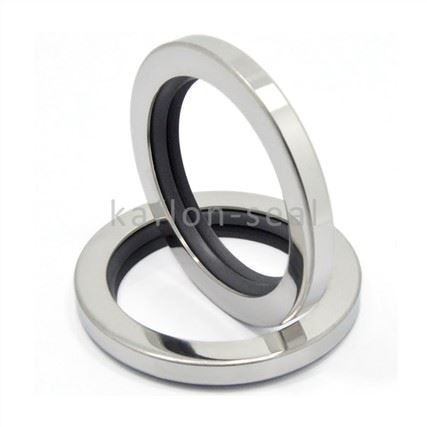
As a leading supplier of PTFE lip seals, we offer a wide range of high-quality products designed to meet the diverse needs of our customers. Our PTFE Lip Seal products are engineered to provide excellent wear resistance, low friction, and reliable sealing performance in a variety of applications.
In addition to our standard PTFE lip seals, we also offer specialty products such as Dynamic Sealing Rotary Shaft Seal Ring and Medical Equipment Rotary PTFE POB Oil Seal. These products are designed to meet the specific requirements of industries such as automotive, aerospace, medical, and industrial machinery.
Conclusion
The wear rate of PTFE lip seals is a critical factor in determining their performance and reliability. By understanding the factors that affect the wear rate and selecting the right seal for your application, you can ensure long-term performance and cost savings.
If you're interested in learning more about our PTFE lip seal products or need help selecting the right seal for your application, please don't hesitate to contact us. Our team of experts is ready to assist you with your procurement needs and provide you with the best solutions for your projects.
References
- Campbell, J. (2008). Sealing Technology Handbook. Elsevier.
- Blau, P. J. (2001). Friction Science and Technology: From Concepts to Applications. Marcel Dekker.
- Bhushan, B. (2013). Handbook of Tribology: Materials, Coatings, and Surface Treatments. Wiley.