


 Popular Blog Posts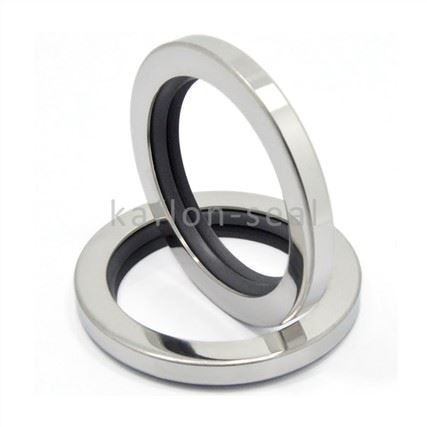



 Blog
BlogAs a supplier of Teflon seals, I often encounter inquiries about the thermal expansion coefficient of Teflon seals. Understanding this property is crucial for various applications, as it directly impacts the performance and reliability of the seals. In this blog post, I will delve into the concept of the thermal expansion coefficient of Teflon seals, its significance, and how it relates to our products.
What is the Thermal Expansion Coefficient?
The thermal expansion coefficient is a measure of how much a material expands or contracts when its temperature changes. It is defined as the fractional change in length or volume per unit change in temperature. For solids, there are two main types of thermal expansion coefficients: the linear thermal expansion coefficient (CTE) and the volumetric thermal expansion coefficient.
The linear thermal expansion coefficient (α) describes the change in length of a material per unit length per degree change in temperature. It is expressed in units of per degree Celsius (°C⁻¹) or per degree Kelvin (K⁻¹). The volumetric thermal expansion coefficient (β) is related to the change in volume of a material and is approximately three times the linear thermal expansion coefficient for isotropic materials.
Thermal Expansion Coefficient of Teflon
Teflon, also known as polytetrafluoroethylene (PTFE), is a synthetic fluoropolymer with unique properties, including high chemical resistance, low friction, and excellent thermal stability. The thermal expansion coefficient of Teflon varies depending on the specific grade and manufacturing process. Generally, the linear thermal expansion coefficient of PTFE ranges from approximately 100 x 10⁻⁶ to 250 x 10⁻⁶ °C⁻¹.
This relatively high thermal expansion coefficient compared to many metals and other polymers means that Teflon seals can expand or contract significantly with temperature changes. For example, if a Teflon seal is installed in a system operating at a low temperature and then the temperature increases, the seal may expand, potentially leading to issues such as increased stress on the surrounding components or leakage if the expansion is not properly accounted for.
Significance in Teflon Seal Applications
The thermal expansion coefficient of Teflon seals is of great importance in various applications, especially those where temperature variations are significant. Here are some key aspects to consider:
Sealing Performance
In applications where a tight seal is required, such as in valves, pumps, and hydraulic systems, the thermal expansion of the Teflon seal must be carefully considered. If the seal expands too much with increasing temperature, it may cause excessive pressure on the mating surfaces, leading to deformation or damage. On the other hand, if the seal contracts too much at low temperatures, it may result in leakage.
Compatibility with Other Materials
Teflon seals are often used in combination with other materials, such as metals or plastics. The difference in thermal expansion coefficients between the Teflon seal and the mating materials can lead to differential expansion or contraction, which may affect the integrity of the seal. For example, if a Teflon seal is installed in a metal housing and the metal has a lower thermal expansion coefficient than the Teflon, the seal may become loose or misaligned as the temperature changes.
Design Considerations
When designing a system with Teflon seals, engineers must take into account the thermal expansion coefficient of the seal to ensure proper fit and performance. This may involve selecting the appropriate seal size, providing sufficient clearance for expansion, or using additional components to compensate for thermal effects.
Our Teflon Seal Products and Thermal Expansion
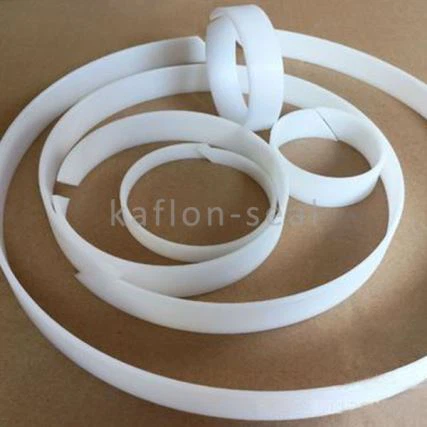
At our company, we offer a wide range of Teflon seals designed to meet the diverse needs of our customers. Our products include Spring Energized Valve Lip Seal, FPA Encapsulated Spring O Ring, and Wearable PTFE Oring Seal.
We understand the importance of the thermal expansion coefficient in the performance of our Teflon seals. Therefore, we carefully select the materials and manufacturing processes to ensure that our seals have consistent and predictable thermal expansion properties. Our engineering team works closely with customers to understand their specific application requirements and provide customized solutions that take into account thermal effects.


Conclusion
The thermal expansion coefficient of Teflon seals is a critical property that affects their performance and reliability in various applications. By understanding this property and its implications, engineers can design systems that ensure proper sealing and prevent issues related to thermal expansion. As a Teflon seal supplier, we are committed to providing high-quality products and technical support to help our customers achieve optimal performance in their applications.
If you are interested in learning more about our Teflon seal products or have specific requirements for your application, please feel free to contact us for a consultation and procurement discussion. We look forward to working with you to meet your sealing needs.
References
- "Handbook of Plastics, Elastomers, and Composites" by Charles A. Harper.
- "Polytetrafluoroethylene (PTFE): Properties and Applications" by various authors in polymer science journals.