


 Popular Blog Posts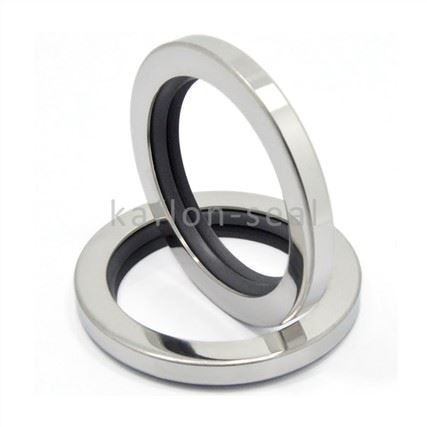



 Blog
BlogWhat is the installation direction of PTFE Lip Seal?
As a PTFE Lip Seal supplier, I am often asked about the proper installation direction of PTFE lip seals. In this blog post, I will delve into the crucial aspects of PTFE lip seal installation, aiming to provide you with comprehensive guidance to ensure optimal performance and longevity of these seals in various applications.
Understanding PTFE Lip Seals
PTFE, or polytetrafluoroethylene, is a high - performance synthetic fluoropolymer. PTFE lip seals are renowned for their excellent chemical resistance, low friction coefficient, and wide operating temperature range. These seals are commonly used in dynamic sealing applications, such as Dynamic Sealing Rotary Shaft Seal Ring, where they prevent the leakage of fluids (such as oil or gas) and the ingress of contaminants.
The design of a PTFE lip seal typically includes a flexible lip that makes contact with a rotating shaft. The geometry of the lip and its installation direction play a vital role in determining the seal's effectiveness.
Factors Influencing the Installation Direction
- Sealing Medium and Pressure Direction: One of the primary factors dictating the installation direction of a PTFE lip seal is the sealing medium (liquid or gas) and the pressure direction. If the seal is used to prevent the leakage of a high - pressure fluid, the lip should be oriented in such a way that the pressure acts to press the lip more firmly against the shaft. For example, in a hydraulic system where there is fluid pressure on one side of the seal, the lip should face the side with higher pressure. This ensures a tight seal and reduces the risk of fluid leakage.
- In a pump application, if the pump is pressurizing a liquid, the lip of the PTFE seal should face the pumped fluid. This way, the pressure of the liquid helps to maintain the contact between the lip and the shaft, enhancing the sealing performance.
- Direction of Shaft Rotation: The direction of shaft rotation also affects the installation direction. In most cases, the seal should be installed so that the lip follows the rotation of the shaft. This reduces the friction between the lip and the shaft and helps to maintain a proper lubricating film. If the lip is installed against the direction of shaft rotation, it can lead to excessive wear and premature failure of the seal.
- For a Rotary PTFE Lips Stainless Oil Seal used in a rotating machinery, the lip should be installed to conform to the natural rotation of the shaft. This helps to distribute the wear evenly across the lip surface and ensures a longer service life.
- Contaminant Ingress Prevention: Another consideration is the prevention of contaminant ingress. If the primary concern is preventing dirt, dust, or other contaminants from entering the sealed system, the lip should be oriented to face the source of the contaminants. This creates a barrier between the contaminants and the internal components of the equipment.
- In a dusty industrial environment, the lip of the PTFE seal on a bearing housing should face the outside to keep the dust from entering the bearing, protecting it from premature wear and damage.
Installation Steps and Tips
- Inspect the Sealing Environment and Components: Before installation, carefully inspect the shaft and the housing where the PTFE lip seal will be installed. The shaft should be smooth, free of scratches and burrs, as any irregularities on the shaft surface can cause damage to the lip and lead to sealing failure. The housing bore should also have the correct diameter and surface finish to ensure a proper fit for the seal.
- Clean the Components: Thoroughly clean both the shaft and the housing using a suitable cleaning agent. Remove any dirt, oil, or debris that could interfere with the installation or the sealing performance. Make sure to dry the components completely before proceeding with the installation.
- Apply Lubrication: Applying a thin layer of compatible lubricant to the lip of the PTFE seal can facilitate the installation process and help to establish a proper lubricating film between the lip and the shaft. The lubricant should be selected based on the sealing medium and the operating conditions. For example, in an oil - sealed application, a high - quality oil - based lubricant can be used.
- Install the Seal Correctly: Use a suitable installation tool to install the PTFE lip seal. Make sure to align the seal properly with the shaft and the housing. Apply even pressure to the outer diameter of the seal to ensure it is seated evenly in the housing bore. Avoid using excessive force, as this can damage the seal.
- When installing a PTFE Filled POB Shaft Seal, follow the manufacturer's instructions carefully to ensure the correct orientation of the seal.
- Verify the Installation: After installation, visually inspect the seal to ensure it is properly seated and there are no signs of damage. Check the alignment of the lip with the shaft and make sure it is in contact with the shaft surface. Rotate the shaft slowly to verify that the seal is functioning smoothly.
Common Installation Mistakes to Avoid
- Incorrect Lip Orientation: As mentioned earlier, installing the lip in the wrong direction can lead to poor sealing performance and premature failure. Always double - check the installation direction based on the factors discussed above.
- Over - Tightening or Under - Tightening: Over - tightening the seal during installation can cause excessive deformation of the lip, leading to increased friction and wear. On the other hand, under - tightening can result in insufficient sealing force and leakage. Use the recommended installation torque or pressure to ensure a proper fit.
- Damaging the Lip During Installation: Rough handling or using improper installation tools can damage the delicate lip of the PTFE seal. Be careful when installing the seal and use tools that are specifically designed for this purpose.
Conclusion
The installation direction of PTFE lip seals is a critical factor that can significantly affect their performance and service life. By considering factors such as the sealing medium, pressure direction, shaft rotation, and contaminant ingress, and following the proper installation steps and tips, you can ensure that your PTFE lip seals work effectively in various applications.
If you are in the market for high - quality PTFE lip seals or have any questions about their installation and application, please reach out to us. Our team of experts is ready to assist you in selecting the right seal for your specific needs and providing professional advice on installation and maintenance. Let's discuss your requirements and find the best sealing solution together.


References
- "Seal Design Handbook", published by a leading seal industry research organization.
- Technical documents and product manuals from PTFE seal manufacturers.