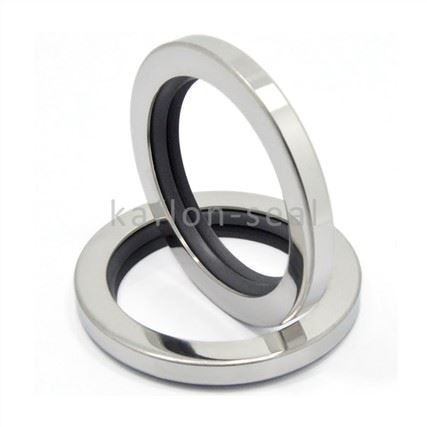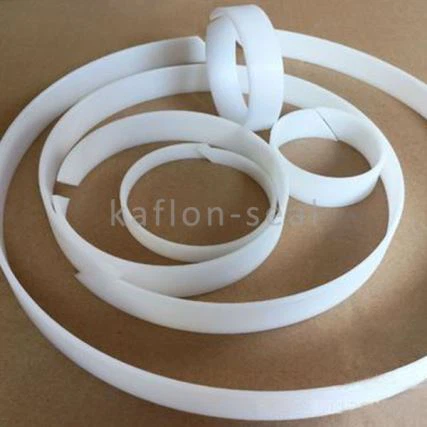

When it comes to high - performance engineering components, PTFE guide rings have emerged as a popular choice in various industries. As a supplier of PTFE guide rings, I often get asked about their heat resistance level. This blog aims to delve into the details of the heat - resistance capabilities of PTFE guide rings, discussing the factors that influence it, its implications in different applications, and how it compares to other guide ring materials.
Understanding PTFE Guide Rings
Polytetrafluoroethylene (PTFE) is a synthetic fluoropolymer of tetrafluoroethylene. PTFE guide rings are used in applications such as hydraulic cylinders, pneumatic systems, and mechanical equipment. They serve the crucial function of guiding the piston rod or the piston within the cylinder, preventing metal - to - metal contact and reducing friction.


Heat Resistance of PTFE Guide Rings
The base PTFE material has an impressive heat - resistant property. In general, pure PTFE can withstand continuous use at temperatures up to about 260°C (500°F). It retains its physical and chemical properties over a wide temperature range, which is one of the reasons it is so highly regarded in high - temperature applications.
However, when it comes to PTFE guide rings, the actual heat - resistance level can vary. This is because most PTFE guide rings are not made of pure PTFE but are filled with other materials to enhance specific properties. For example, glass fiber, carbon, or bronze fillers are commonly used in PTFE guide rings. These fillers can improve the wear resistance, mechanical strength, and dimensional stability of the guide rings. But they can also have an impact on the heat - resistance level.
Factors Influencing Heat Resistance
- Type and Amount of Fillers
- Different fillers have different thermal properties. For instance, glass fiber is a good insulator but can also act as a stress concentrator at high temperatures. If a PTFE guide ring is filled with a high percentage of glass fiber, it may experience reduced heat - resistance due to the potential for thermal expansion mismatch between the glass fiber and the PTFE matrix.
- On the other hand, carbon fillers can improve the heat - dissipation properties of the PTFE guide ring. Carbon has relatively high thermal conductivity, which means it can help transfer heat away from the ring, thereby enhancing its ability to withstand higher operating temperatures.
- Processing Conditions
- The manufacturing process of PTFE guide rings can also affect their heat resistance. If the rings are not properly sintered during production, there may be voids or uneven distribution of fillers in the material. These defects can weaken the structure of the guide ring and make it more susceptible to thermal degradation at high temperatures.
Implications in Different Applications
- Hydraulic Systems
- In hydraulic systems, PTFE guide rings are exposed to high - pressure fluids and can generate heat due to friction. If the hydraulic system operates in a hot environment or under heavy - load conditions, the heat - resistance of the PTFE guide rings becomes crucial. For example, in a construction equipment hydraulic cylinder that operates continuously in a warm climate, PTFE guide rings with good heat - resistance properties can prevent premature wear and failure, ensuring the reliable operation of the system.
- Automotive Industry
- In automotive applications, such as in engine components or transmission systems, PTFE guide rings are exposed to high temperatures generated by the engine's combustion process and the movement of mechanical parts. A PTFE guide ring with a high heat - resistance level can maintain its shape and functionality, reducing the risk of system malfunctions and improving the overall performance and durability of the vehicle.
Comparison with Other Guide Ring Materials
- POM Guide Rings
Compared to POM Guide Rings, PTFE guide rings generally have a much higher heat - resistance level. Polyoxymethylene (POM), also known as acetal, has a continuous - use temperature limit of around 100 - 120°C (212 - 248°F). This makes PTFE guide rings a better choice for applications where high temperatures are involved. - POM Hydraulic Wiper
POM Hydraulic Wiper also has a lower heat - resistance capacity compared to PTFE guide rings. POM wipers may start to deform or lose their sealing effectiveness at relatively lower temperatures, while PTFE guide rings can maintain their performance in more extreme thermal conditions. - Wear - resistant Guide Ring
Some wear - resistant guide rings made from other materials may not have the same heat - resistance as PTFE guide rings. Wear - resistant Guide Ring materials are often designed to prioritize wear resistance, but their heat - handling capabilities can be limited. PTFE, with its inherent heat - resistant nature and the ability to be customized with fillers, can offer a good balance between wear resistance and heat resistance.
Determining the Optimal Heat - Resistance for Your Application
When selecting PTFE guide rings for a specific application, it is essential to consider the maximum operating temperature of the system. This involves analyzing all the heat sources in the system, including friction, external environmental factors, and heat generated by adjacent components.
It is also important to understand the trade - offs between heat resistance and other properties. For example, increasing the heat - resistance of a PTFE guide ring may sometimes come at the cost of reduced wear resistance or increased material cost. Therefore, a comprehensive evaluation of the application's requirements is necessary to select the most suitable PTFE guide ring.
Conclusion
As a supplier of PTFE guide rings, I understand the importance of heat resistance in various industrial applications. The heat - resistance level of PTFE guide rings can vary depending on factors such as the type and amount of fillers and the processing conditions. While base PTFE can withstand high temperatures, the actual performance of the guide rings in real - world applications needs to be carefully evaluated.
Compared to other guide ring materials like POM, PTFE guide rings generally offer superior heat - resistance, making them a preferred choice for high - temperature applications. If you are in need of high - quality PTFE guide rings tailored to your specific heat - resistance requirements, feel free to reach out for procurement and discussion. We are committed to providing you with the best - fitting solutions for your engineering needs.
References
- "Handbook of Plastics, Elastomers, and Composites" by Charles A. Harper
- "Engineering Plastics: Properties and Applications" by Donald V. Rosato, Dominick V. Rosato, and Ronald A. Schmid