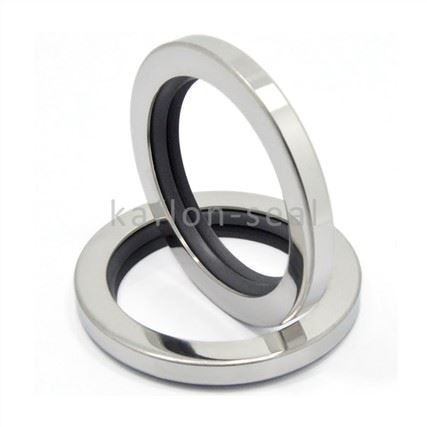

Hey there! If you're in the hydraulic industry, you're probably familiar with hydraulic wiper seals. As a hydraulic wiper seals supplier, I've dealt with countless inquiries about these seals, and one question that comes up time and time again is, "What is the hardness of hydraulic wiper seals?"
Let's start by understanding what hydraulic wiper seals are and what they do. Hydraulic wiper seals are crucial components in hydraulic systems. Their main job is to prevent contaminants like dirt, dust, and moisture from entering the hydraulic cylinder. This helps protect the internal components of the system, such as the piston rod, from damage and wear. It means these seals play a major role in extending the overall lifespan and reliability of the hydraulic system.
Now, let's talk about hardness. The hardness of a hydraulic wiper seal is a critical property that affects its performance in different applications. Hardness is usually measured using the Shore durometer scale, which has two main scales: Shore A and Shore D. Shore A is used for softer rubbers, while Shore D is for harder plastics and rubbers. In the case of hydraulic wiper seals, we typically use the Shore A scale.
The hardness of hydraulic wiper seals can vary widely depending on the specific application and the requirements of the hydraulic system. Generally, the hardness of these seals ranges from around 70 to 90 Shore A. A lower hardness, say around 70 Shore A, means the seal is softer and more flexible. This type of seal can conform better to irregular surfaces and provide a good seal even in situations where there might be some misalignment or surface roughness. However, a softer seal may be more prone to wear and extrusion under high-pressure conditions.
On the other hand, a seal with a higher hardness, like 90 Shore A, is more rigid and less flexible. It can withstand higher pressures without extruding, making it suitable for applications where the hydraulic system operates at high pressures. But a harder seal might not conform as well to surfaces, which could potentially lead to leaks if the surface isn't perfectly smooth and flat.
So how do you choose the right hardness for your hydraulic wiper seal? Well, it depends on several factors. First, you need to consider the operating pressure of the hydraulic system. If the system operates at relatively low pressures, a softer seal might be a good choice as it can provide a better fit and seal. However, for high-pressure systems, a harder seal will be more appropriate to prevent extrusion and ensure long-lasting performance.
The type of environment the seal will be operating in also matters. If the system is exposed to a lot of dirt and debris, a harder seal might be more resistant to abrasion and damage. But if the system needs to seal against a surface that has some flexibility or movement, a softer seal could be a better option to maintain a tight seal.

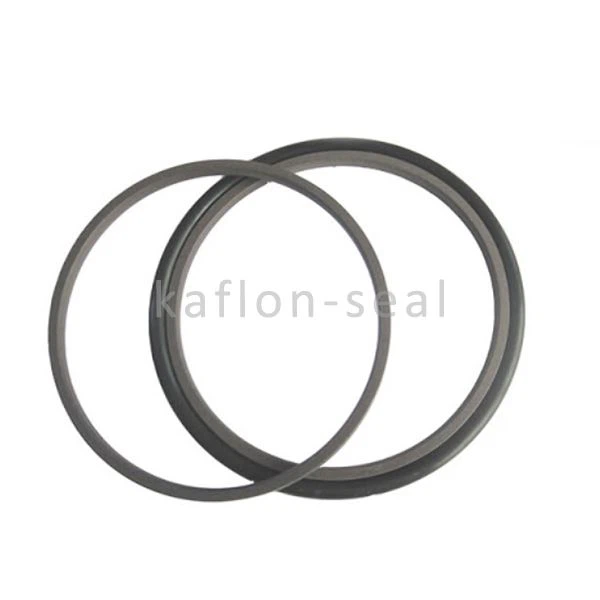
Another factor to think about is the type of fluid the seal will come into contact with. Different fluids can have different effects on the hardness and performance of the seal material. For example, some fluids might cause the seal material to swell or become softer over time, which could affect its sealing ability. So it's important to choose a seal material that is compatible with the fluid in the hydraulic system.
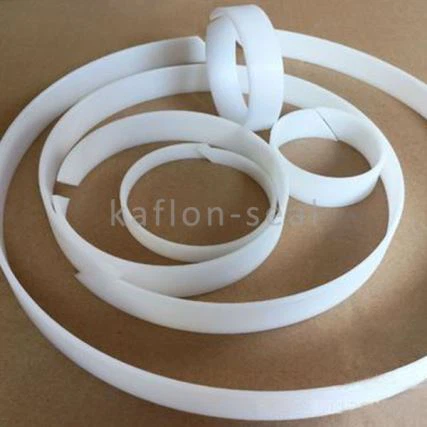
As a hydraulic wiper seals supplier, we offer a wide range of seals with different hardness levels to meet the diverse needs of our customers. We also provide Hydraulic Wear Rings, PTFE With Polymer Hydraulic Seal, and Reciprocating Seal Phenolic Guide Ring to ensure that our customers can find all the components they need for their hydraulic systems in one place.
If you're unsure about which hardness of hydraulic wiper seal is right for your application, don't worry! Our team of experts is here to help. We can analyze your specific requirements, including the operating pressure, environment, and fluid type, and recommend the best seal solution for you. We have years of experience in the industry, and we've worked with a variety of customers to solve their sealing problems.
We understand that choosing the right seals is crucial for the performance and reliability of your hydraulic system. That's why we not only offer high-quality products but also provide excellent customer service. We'll work closely with you every step of the way, from product selection to installation and after-sales support.
If you're interested in our hydraulic wiper seals or any of our other products, we encourage you to reach out to us for a purchase negotiation. Whether you're a small business or a large industrial company, we're committed to providing you with the best products at competitive prices. Our goal is to build long-term partnerships with our customers and help them succeed in their respective industries.
In conclusion, the hardness of hydraulic wiper seals is an important factor that can significantly impact the performance of your hydraulic system. By understanding the different hardness levels and how they relate to your application, you can make an informed decision and choose the right seal for your needs. As your trusted hydraulic wiper seals supplier, we're here to assist you with all your sealing requirements. So don't hesitate to get in touch with us and let's start a conversation about how we can help improve the performance and reliability of your hydraulic system.
References
- "Hydraulic Seals Handbook" by Sealing Solutions Inc.
- Industry research papers on hydraulic system components and their performance.