
Hey there, fellow gearheads and industry enthusiasts! I'm a supplier of Rotary Shaft Seals, and today, I wanna chat about a super important topic: the temperature limits of rotary shaft seals.
Before we dive into the temperature stuff, let's quickly go over what rotary shaft seals are. These little heroes are used in all sorts of machinery. They prevent fluids, like oil and grease, from leaking out of rotating shafts. They also keep dirt, dust, and other contaminants from getting in. It's like having a tiny but really tough bouncer at the entrance of your machinery, keeping the bad guys out and the good stuff in.
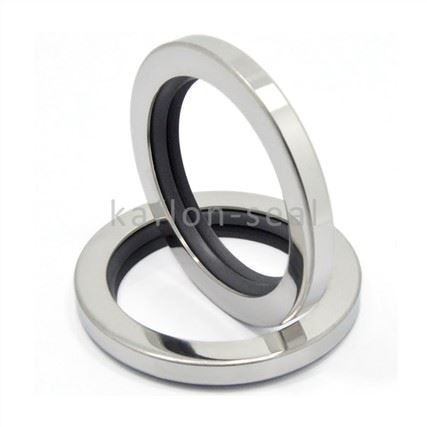
We offer a wide range of these seals, like Rotating Motions PTFE Shaft Seals, Radial PTFE Shaft Seal, and PTFE Filled POB Shaft Seal. Each type has its own unique features and is designed for different applications.
Temperature is a big deal when it comes to rotary shaft seals. If the temperature gets too high or too low, it can really mess with the seal's performance.
When it's too hot, the seal material can start to break down. It might become soft and lose its shape, which means it won't be able to seal properly anymore. This can lead to leaks, and we all know that leaks are a huge headache in the industrial world. They can cause damage to the machinery, lead to loss of fluids, and even pose safety risks.
On the other hand, when it's too cold, the seal material can become brittle. It might crack or break, again resulting in a loss of the sealing function. So, understanding the temperature limits of your seals is crucial for keeping your machinery running smoothly.
PTFE (Polytetrafluoroethylene)
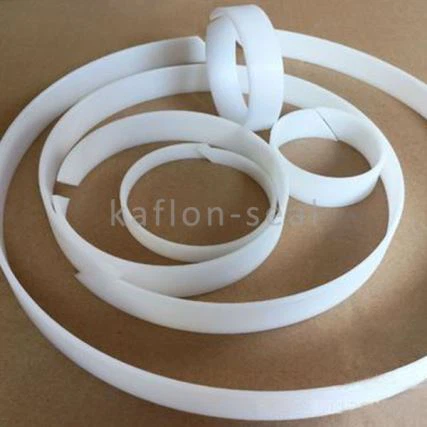
PTFE is a popular material for rotary shaft seals, and for good reasons. It's known for its excellent chemical resistance and low friction. When it comes to temperature, PTFE seals can generally handle a pretty wide range. They can work well in temperatures from around -200°C to 260°C. That's a huge range! This makes PTFE seals suitable for a variety of extreme applications, like in cryogenic systems or high - temperature industrial processes.
Our Rotating Motions PTFE Shaft Seals are made with high - quality PTFE, which means they can perform reliably within this wide temperature range. Whether you're dealing with super cold or really hot conditions, these seals can get the job done.
Rubber - based Seals
Rubber is another common material for rotary shaft seals. There are different types of rubber, such as nitrile rubber (NBR), fluorocarbon rubber (FKM), and silicone rubber (VMQ).
Nitrile Rubber (NBR)
NBR seals are cost - effective and have good oil resistance. They can typically operate in temperatures ranging from -40°C to 120°C. This makes them a popular choice for general - purpose applications where the temperature doesn't get too extreme.
Fluorocarbon Rubber (FKM)
FKM seals are known for their excellent resistance to high temperatures and chemicals. They can work in temperatures from about -20°C to 250°C. This makes them ideal for applications in the automotive and aerospace industries, where high - temperature performance is crucial.
Silicone Rubber (VMQ)
Silicone rubber seals have good flexibility and can handle a wide temperature range. They can operate from -60°C to 230°C. They're often used in applications where low - temperature flexibility is important, like in some electronic devices.
PTFE Filled POB Shaft Seal
Our PTFE Filled POB Shaft Seal is a special type of seal. The combination of PTFE and POB gives it unique properties. It can handle temperatures in the range of -50°C to 280°C. This wide temperature tolerance makes it suitable for a variety of demanding applications, especially those where other seal materials might not be able to perform.
It's important to note that the temperature limits we've talked about are just general guidelines. There are several factors that can affect the actual temperature performance of a rotary shaft seal.
Operating Conditions
The way the machinery is operated can have a big impact on the seal's temperature. For example, if the shaft is rotating at a very high speed, it can generate more heat, which can increase the temperature around the seal. Also, if there's a lot of friction between the seal and the shaft, it can cause the temperature to rise.
Fluid Compatibility
The fluid that the seal is in contact with can also affect its temperature performance. Some fluids can act as coolants, helping to keep the seal at a reasonable temperature. On the other hand, some fluids can react with the seal material at high temperatures, causing it to break down more quickly.
Installation
Proper installation is crucial for the seal's performance, including its temperature resistance. If the seal is installed incorrectly, it can cause uneven stress on the seal, which can lead to overheating in some areas.
When you're choosing a rotary shaft seal, you need to consider the temperature conditions of your application. Here are some steps to help you make the right choice:


-
Determine the Temperature Range: First, figure out the minimum and maximum temperatures that the seal will be exposed to. This might involve looking at the operating environment of your machinery, as well as the heat generated by the machinery itself.
-
Research Seal Materials: Based on the temperature range, research the different seal materials and their temperature limits. As we've seen, different materials have different temperature tolerances.
-
Consider Other Factors: Don't just focus on temperature. You also need to consider factors like fluid compatibility, shaft speed, and the type of machinery. For example, if you're dealing with a high - speed shaft, you might need a seal with low friction.
-
Consult an Expert: If you're not sure which seal is right for your application, don't hesitate to consult an expert. As a supplier, we're always happy to offer advice and help you choose the best seal for your needs.
So, there you have it! The temperature limits of rotary shaft seals are a crucial factor in their performance. Whether you're dealing with extreme cold or blistering heat, choosing the right seal material and understanding its temperature limits can save you a lot of headaches in the long run.
If you're in the market for rotary shaft seals and need help finding the perfect fit for your application, we're here for you. We've got a great selection of seals, including Rotating Motions PTFE Shaft Seals, Radial PTFE Shaft Seal, and PTFE Filled POB Shaft Seal. Reach out to us, and let's start a conversation about how we can help you keep your machinery running smoothly.
- "Handbook of Sealing Technology" by John H. Bickford
- "Seals and Sealing Handbook" by David A. Dowson