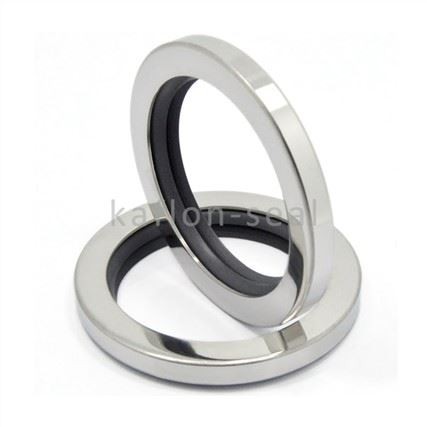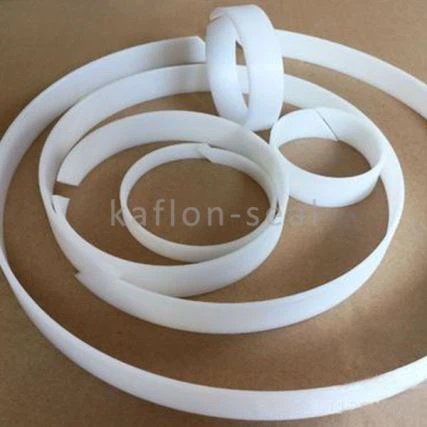

Hydraulic wear rings play a crucial role in the proper functioning of hydraulic systems. As a leading supplier of hydraulic wear rings, I am often asked about the manufacturing processes involved in creating these essential components. In this blog post, I will delve into the various steps that go into producing high - quality hydraulic wear rings.
Material Selection
The first and perhaps most critical step in the manufacturing process is material selection. The right material can significantly impact the performance and lifespan of the wear ring. Common materials used for hydraulic wear rings include PTFE (Polytetrafluoroethylene), PEEK (Polyetheretherketone), and bronze.
PTFE is a popular choice due to its excellent low - friction properties. It can reduce the amount of energy lost as heat in a hydraulic system, leading to more efficient operation. Additionally, PTFE is highly resistant to chemicals, making it suitable for use in harsh environments. We carefully source our PTFE from reliable suppliers to ensure the highest quality.
PEEK, on the other hand, offers high mechanical strength and excellent dimensional stability. It can withstand high temperatures and pressures, making it ideal for heavy - duty hydraulic applications. Our PEEK materials are tested to meet strict quality standards before being used in production.
Bronze is a traditional material for wear rings. It has good wear resistance and can handle high loads. The bronze we use is alloyed with other elements to enhance its properties, such as strength and corrosion resistance.
Pre - processing of Materials
Once the material is selected, pre - processing steps are carried out. If it is a polymer material like PTFE or PEEK, the raw material might come in the form of granules or powder. These are then processed through techniques such as extrusion or compression molding to form a solid block or rod of the desired size.
For bronze, the pre - processing involves melting the alloy in a furnace at high temperatures. The molten metal is then cast into billets or bars. During this process, it is essential to control the temperature and composition of the alloy precisely to ensure the final product has the desired properties. Quality control checks are performed at this stage to verify the chemical composition and density of the material.
Machining
Machining is a key step in the manufacturing of hydraulic wear rings. There are several machining operations involved, including turning, milling, and drilling.
Turning is used to shape the outer and inner diameters of the wear ring. A lathe is commonly employed for this purpose. The workpiece (the pre - processed block or rod) is rotated, and a cutting tool is used to remove material to achieve the desired dimensions. Tight tolerances are maintained during turning to ensure a proper fit within the hydraulic system.
Milling may be used to create special features on the wear ring, such as grooves or slots. Computer Numerical Control (CNC) milling machines are often utilized to ensure high precision. These machines are programmed to perform complex operations accurately, reducing the likelihood of human error.
Drilling is used when there is a need for holes in the wear ring, for example, for lubrication channels or for mounting purposes. Similar to turning and milling, drilling must be done with high precision to ensure the functionality of the wear ring.
Surface Treatment
After machining, the wear rings undergo surface treatment to enhance their performance. For polymer wear rings, treatments such as surface coating can be applied. A thin layer of a special lubricant - containing coating can be added to further reduce friction. This not only improves the efficiency of the hydraulic system but also extends the lifespan of the wear ring.
In the case of bronze wear rings, surface treatments can include processes like nitriding or phosphating. Nitriding forms a hard, wear - resistant layer on the surface of the bronze, increasing its resistance to abrasion. Phosphating creates a phosphate coating that can improve the corrosion resistance of the metal, protecting it from the harsh environments often encountered in hydraulic applications.
Quality Inspection
Quality inspection is an integral part of the manufacturing process. Every wear ring is inspected to ensure that it meets the required specifications. Dimensional inspections are carried out using precision measuring tools such as calipers, micrometers, and coordinate measuring machines (CMMs). These tools can measure the diameter, thickness, and other dimensions of the wear ring with high accuracy.

Non - destructive testing methods are also used. For example, ultrasonic testing can be used to detect internal defects in the wear ring, such as cracks or voids. Visual inspection is also done to check for surface defects, such as scratches or unevenness. Only the wear rings that pass all the quality inspections are allowed to proceed to the next stage.
Packaging and Shipping
Once the wear rings have passed all the quality checks, they are carefully packaged to prevent damage during transportation. Depending on the type of wear ring and the customer's requirements, different packaging materials can be used. For example, individual wear rings may be placed in small plastic bags with labels indicating their specifications, and then these bags can be packed in larger cartons.
We also take into consideration the shipping method to ensure that the wear rings reach the customers in a timely and safe manner. Depending on the location of the customer, we may choose from various shipping options, including air freight for urgent orders and sea freight for larger - volume shipments.
Advantages of Our Hydraulic Wear Rings
Our hydraulic wear rings have several advantages that set them apart in the market. Thanks to our strict material selection and advanced manufacturing processes, our wear rings offer excellent wear resistance. This means that they can operate for longer periods without needing replacement, reducing downtime and maintenance costs for our customers.
The low - friction properties of our wear rings, especially those made from PTFE, contribute to more efficient hydraulic systems. This can result in energy savings and improved overall system performance. Additionally, our surface treatments provide added protection against corrosion and abrasion, making our wear rings suitable for a wide range of applications.
Related Products
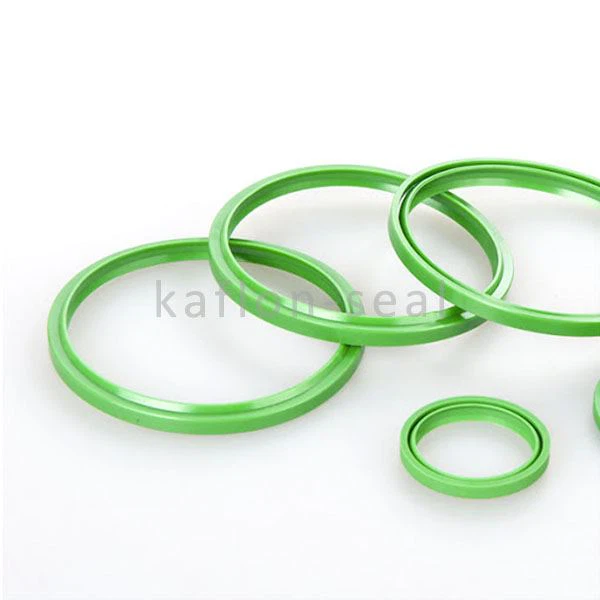
In addition to our standard hydraulic wear rings, we also offer other related hydraulic seal products. For example, our Bear High Pressure Hydraulic Seal is designed to withstand high - pressure environments, providing reliable sealing performance. Our Single Acting Step Seal Ring is suitable for applications where unidirectional sealing is required. And our Piston Seal With PU Green offers excellent sealing and wear - resistant properties.
Conclusion
If you are in the market for high - quality hydraulic wear rings or related hydraulic seal products, we are here to meet your needs. Our state - of - the - art manufacturing processes, strict quality control, and commitment to customer satisfaction make us a reliable partner. Whether you are working on a small - scale project or a large industrial application, our products can provide the reliable performance you require. Please feel free to contact us for more information and to discuss your specific purchasing needs. We look forward to working with you and contributing to the success of your hydraulic systems.
References
- "Handbook of Hydraulic Seals" by Ola Larsson
- "Materials Science for Engineers" by Carl Gates
- Professional journals on hydraulic engineering and manufacturing technology