
Hey there! I'm a supplier of F200 PTFE Virgin. In this blog, I'll be diving into the failure modes of F200 PTFE Virgin. You might be thinking, "Why should I care about the failure modes?" Well, understanding these can help you make better decisions when it comes to using this material, whether you're in the manufacturing industry or just someone looking to use it for a specific project.
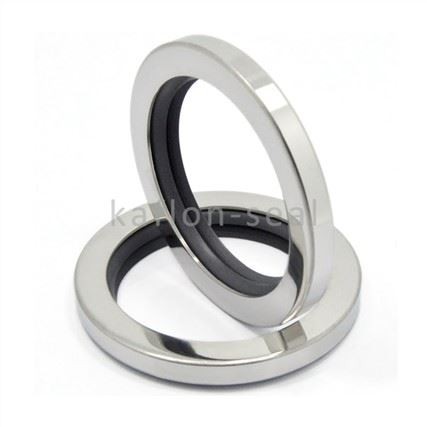
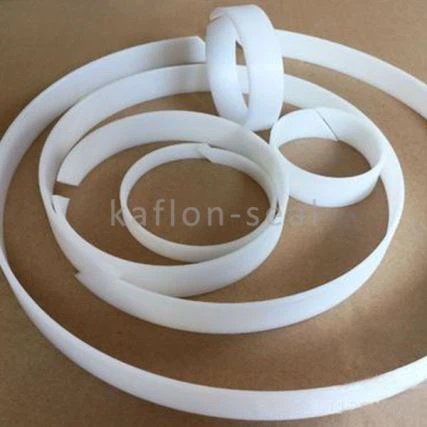
First off, let's talk a bit about F200 PTFE Virgin. It's a high - performance material known for its excellent chemical resistance, low friction coefficient, and high temperature stability. It's used in a wide range of applications, from PTFE Valve Seats Seal to PFA Encapsulated O Ring. But like any material, it's not invincible, and there are certain situations where it can fail.
Chemical Attack
One of the most common failure modes of F200 PTFE Virgin is chemical attack. Even though PTFE is generally resistant to a large number of chemicals, there are still some aggressive substances that can cause problems. For example, molten alkali metals and some fluorinating agents can react with PTFE. When exposed to these chemicals, the molecular structure of the F200 PTFE Virgin can break down. This leads to a loss of its physical properties, like strength and flexibility.
In industrial settings, if you're using F200 PTFE Virgin in a chemical processing plant, you need to be extremely careful about the chemicals it comes in contact with. A small leak of a corrosive chemical can gradually degrade the material over time. The degradation can be hard to spot at first, but as it progresses, you'll start to notice changes in the appearance of the material, such as cracking or discoloration.
Creep
Creep is another failure mode that you need to be aware of. Creep is the tendency of a material to deform under a constant load over time. F200 PTFE Virgin, while it has good mechanical properties, is not immune to creep. In applications where the material is under continuous stress, like in a seal or a gasket, creep can cause the material to lose its shape.
For instance, if you're using an F200 PTFE Virgin gasket in a high - pressure pipeline, over time, the constant pressure can cause the gasket to deform. This deformation can lead to leaks, reducing the efficiency of the pipeline and potentially causing safety hazards. The rate of creep depends on several factors, including the temperature, the magnitude of the load, and the duration of the load. Higher temperatures and heavier loads will generally increase the rate of creep.
Wear and Abrasion
Wear and abrasion can also lead to the failure of F200 PTFE Virgin. In applications where the material is in contact with moving parts or rough surfaces, it can experience wear. For example, in a bearing or a slide, the F200 PTFE Virgin can be subjected to friction as the parts move against each other.
This friction can cause the surface of the material to wear away over time. If the wear is severe enough, it can affect the performance of the component. For example, if a PTFE bearing wears down, it can lead to increased play in the mechanical system, reducing its precision and efficiency. Using additives like in F220 25% Carbon Graphite Filled PTFE can improve the wear resistance of PTFE, but the base F200 PTFE Virgin may still be vulnerable in high - wear situations.
Thermal Degradation
Thermal degradation is a significant failure mode for F200 PTFE Virgin. While PTFE can withstand relatively high temperatures, there is a limit. At extremely high temperatures, the material can start to break down chemically. The long - chain molecules of PTFE can break into smaller fragments, leading to a loss of its physical and chemical properties.
In industrial processes that involve high - temperature operations, such as in some types of ovens or in the aerospace industry where components are exposed to high - temperature environments, thermal degradation can be a major concern. If the temperature exceeds the recommended limit for F200 PTFE Virgin, the material can char, and its performance will degrade rapidly.


Environmental Stress Cracking
Environmental stress cracking is yet another failure mode. This occurs when F200 PTFE Virgin is exposed to certain environmental conditions while under stress. The stress can be either internal (due to manufacturing processes) or external (due to the application).
For example, if the material is in a chemical environment and is also under mechanical stress, it can develop cracks. These cracks can start small but can propagate over time, eventually leading to the complete failure of the component. The presence of certain solvents or detergents can accelerate the environmental stress cracking process.
Contamination
Contamination can also cause problems for F200 PTFE Virgin. During the manufacturing process or in its end - use application, if the material comes in contact with foreign substances, it can affect its performance. For example, if dust or other particles get embedded in the material, it can create weak points.
These weak points can lead to premature failure, especially under stress or in a chemical environment. Contamination can also affect the surface finish of the material, which can be a problem in applications where a smooth surface is required, such as in seals.
How to Mitigate These Failure Modes
Now that we've talked about the failure modes, let's discuss how to mitigate them. When it comes to chemical attack, it's crucial to carefully select the application environment. Make sure you know exactly what chemicals the F200 PTFE Virgin will be exposed to and choose the material accordingly.
To reduce the risk of creep, you can use proper design techniques. For example, you can distribute the load more evenly across the material or use additional support structures. In terms of wear and abrasion, you can add wear - resistant coatings or choose a material with better wear properties, like the F220 25% Carbon Graphite Filled PTFE.
To prevent thermal degradation, stay within the recommended temperature range for F200 PTFE Virgin. Use heat - insulating materials or cooling systems if necessary. To avoid environmental stress cracking, eliminate the sources of stress and carefully select the environmental conditions. And to prevent contamination, keep the manufacturing and application environments clean.
Wrapping Up and Invitation
F200 PTFE Virgin is a great material with a lot of advantages, but it's important to understand its failure modes to use it effectively. By being aware of these potential issues and taking the necessary precautions, you can ensure that your projects using F200 PTFE Virgin are successful.
If you're in the market for F200 PTFE Virgin or have any questions about its applications, failure modes, or how to mitigate them, feel free to reach out. We'd love to have a chat and discuss how our F200 PTFE Virgin can meet your specific needs. Whether you're in a small project or a large - scale industrial application, we can provide you with the best solutions. Let's start this conversation and take your project to the next level.
References
- "Plastics Engineering Handbook of the Society of Plastics Engineers", Edited by Charles A. Harper
- "Introduction to Polymers" by Ron Stevens