
Hey there! As a supplier of radial oil seals, I've seen firsthand the importance of these little components in keeping machinery running smoothly. Radial oil seals play a crucial role in preventing the leakage of lubricants and keeping contaminants out. In this blog, I'll break down the different types of radial oil seals and give you a better understanding of which one might be right for your application.
1. Rubber Lip Seals
Rubber lip seals are probably the most common type of radial oil seal you'll come across. They're made of rubber, which gives them flexibility and the ability to conform to the shaft surface. The lip of the seal is what makes contact with the shaft, creating a barrier that keeps the oil in and the dirt out.
These seals are great for a wide range of applications because they're relatively inexpensive and easy to install. They can handle moderate speeds and pressures, making them suitable for things like automotive engines, industrial pumps, and gearboxes. The rubber material can be customized to suit different operating conditions, such as temperature and chemical resistance.
However, rubber lip seals do have some limitations. Over time, the rubber can wear out, especially if it's exposed to high temperatures or harsh chemicals. This can lead to leakage and reduced performance. Also, they may not be the best choice for high-speed applications, as the friction between the lip and the shaft can cause excessive heat buildup.
2. Rotary PTFE Lips Stainless Oil Seal
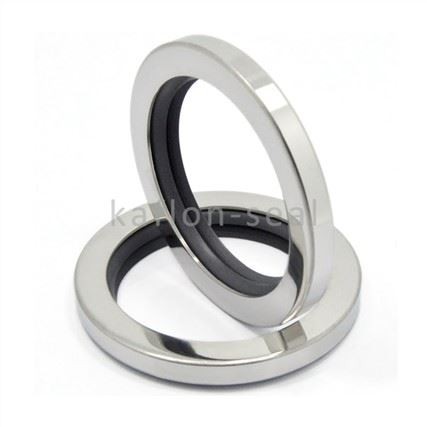
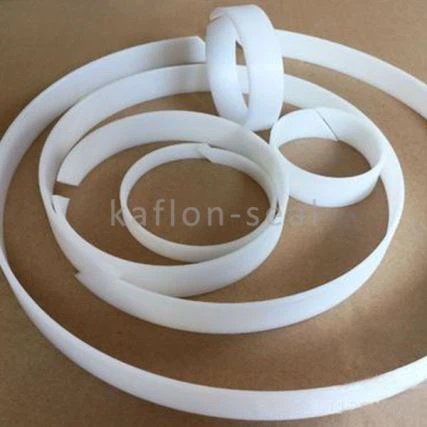
PTFE, or polytetrafluoroethylene, is a high-performance material known for its excellent chemical resistance and low friction coefficient. Rotary PTFE lips stainless oil seals combine the benefits of PTFE with a stainless steel casing.

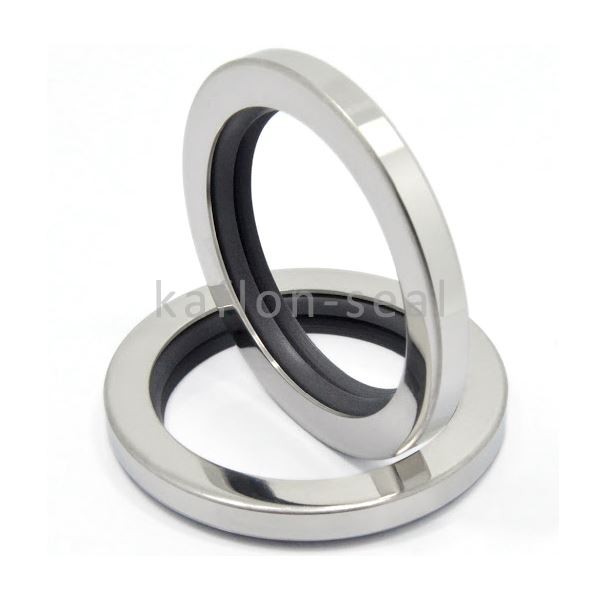
The PTFE lip provides a superior sealing surface that can withstand high temperatures, aggressive chemicals, and high speeds. The stainless steel casing gives the seal strength and durability, making it suitable for demanding applications. These seals are often used in the food and beverage industry, where hygiene and chemical resistance are crucial, as well as in the aerospace and automotive industries.
One of the main advantages of Rotary PTFE lips stainless oil seals is their long service life. The low friction of the PTFE lip means less wear and tear on the seal and the shaft, reducing the need for frequent replacements. They also offer better sealing performance compared to rubber lip seals, especially in applications where leakage is a critical issue.
On the downside, PTFE seals are more expensive than rubber lip seals. The manufacturing process is more complex, and the cost of the PTFE material is higher. This can make them a less attractive option for budget-conscious applications.
3. Double Lips PTFE Oil Seal
Double lips PTFE oil seals take the benefits of PTFE seals a step further. As the name suggests, these seals have two lips instead of one, which provides an extra layer of protection against leakage.
The double-lip design creates a more effective barrier, preventing oil from escaping and contaminants from entering. This is especially important in applications where the operating conditions are harsh or where a high level of sealing performance is required. For example, in hydraulic systems, where even a small amount of leakage can cause significant problems.
Like other PTFE seals, double lips PTFE oil seals offer excellent chemical resistance and low friction. They can operate at high temperatures and speeds, making them suitable for a variety of industrial applications. However, they also come with a higher price tag due to the additional material and manufacturing complexity.
4. Rotating Motions PTFE Shaft Seals
Rotating motions PTFE shaft seals are specifically designed for applications where the shaft is rotating. These seals are engineered to provide a reliable seal even under high rotational speeds and dynamic loads.
The PTFE material used in these seals has excellent self-lubricating properties, which helps to reduce friction and wear. This is crucial in rotating applications, as excessive friction can lead to heat buildup, premature seal failure, and reduced efficiency. The seals are also designed to adapt to the movement of the shaft, ensuring a consistent seal over time.
These seals are commonly used in pumps, motors, and other rotating equipment. They can handle a wide range of operating conditions, including high pressures and temperatures. However, like other PTFE seals, they can be more expensive than traditional rubber lip seals.
5. Metal Seals
Metal seals are another type of radial oil seal that offers high performance and durability. They're typically made of materials like stainless steel or bronze and are designed to provide a tight seal in high-pressure and high-temperature applications.
Metal seals are very resistant to wear and corrosion, making them suitable for harsh environments. They can handle extreme pressures and temperatures that would cause rubber or PTFE seals to fail. For example, they're often used in the oil and gas industry, where they need to withstand high-pressure fluids and corrosive chemicals.
However, metal seals are more rigid than rubber or PTFE seals, which means they may not be as flexible in terms of installation and shaft misalignment. They also tend to be more expensive and heavier than other types of seals.
Choosing the Right Radial Oil Seal
So, how do you choose the right radial oil seal for your application? Well, it depends on several factors, including the operating conditions, the type of fluid being sealed, the speed and pressure of the application, and your budget.
If you're working in a relatively mild environment with moderate speeds and pressures, a rubber lip seal may be the most cost-effective option. However, if you need a seal that can withstand high temperatures, aggressive chemicals, or high speeds, then a PTFE or metal seal may be a better choice.
It's also important to consider the quality and reliability of the seal. Look for a supplier that has a good reputation and can provide you with seals that meet your specific requirements. At our company, we offer a wide range of radial oil seals, including the ones I've mentioned in this blog. We can help you select the right seal for your application and provide you with technical support and advice.
If you're interested in learning more about our radial oil seals or would like to discuss your specific needs, don't hesitate to reach out. We're here to help you find the best sealing solution for your machinery.
References
- "Handbook of Sealing Technology" by Adam H. Brown
- "Sealing Devices and Their Design" by G. A. Tomlinson