


 Popular Blog Posts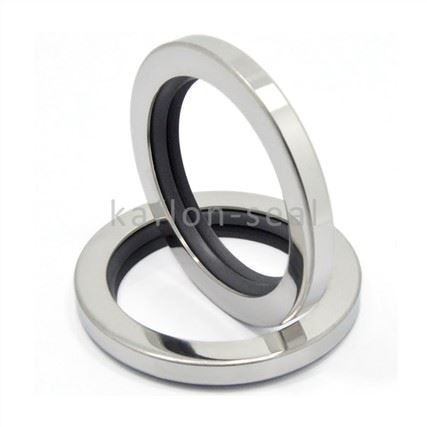


 Blog
BlogHey there! As a supplier of hydraulic wear rings, I've seen firsthand the importance of high - quality design features in these crucial components. Hydraulic wear rings play a vital role in hydraulic systems, and getting their design right can make a huge difference in performance, durability, and overall system efficiency. So, let's dive into what makes a top - notch hydraulic wear ring.
Material Selection
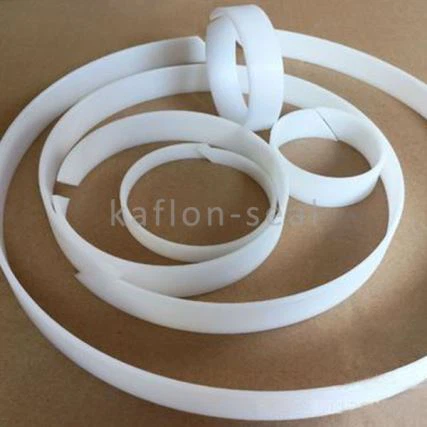
The first and most fundamental design feature is the choice of material. You can't have a great wear ring without the right stuff. High - quality hydraulic wear rings are often made from materials like PTFE (Polytetrafluoroethylene), bronze, and engineered plastics.
PTFE is a popular choice because it has low friction properties. This means that when the piston or rod moves within the hydraulic cylinder, there's less resistance. Less friction not only reduces energy consumption but also minimizes wear and tear on the ring itself and other components in the system. Plus, PTFE is chemically resistant, so it can withstand the harsh hydraulic fluids used in many applications. You can check out PTFE Piston Seal Glyd Ring for more info on PTFE - based sealing solutions.
Bronze is another excellent material. It's strong and has good heat - dissipation properties. In high - pressure and high - temperature hydraulic systems, bronze wear rings can handle the stress without deforming easily. Engineered plastics are also on the rise. They offer a balance between strength, low friction, and cost - effectiveness. These materials can be customized to meet specific requirements, like resistance to certain chemicals or extreme temperatures.
Precision Machining
Once the material is selected, precision machining comes into play. High - quality hydraulic wear rings need to be machined to extremely tight tolerances. Even a tiny deviation in size or shape can lead to leaks, reduced performance, and premature failure.
The inner and outer diameters of the wear ring must be accurate to ensure a proper fit within the hydraulic cylinder. The surface finish is also crucial. A smooth surface reduces friction and prevents damage to the mating parts. Advanced machining techniques, such as CNC (Computer Numerical Control) machining, are often used to achieve the required precision. This technology allows for consistent and repeatable production, so every wear ring meets the same high standards.
Groove Design
The design of the groove where the wear ring sits is equally important. The groove needs to be the right size and shape to hold the wear ring securely in place. If the groove is too wide, the wear ring may move around, causing uneven wear and potential leaks. On the other hand, if it's too narrow, the ring may be compressed too much, leading to increased friction and reduced lifespan.
The groove should also have a proper chamfer or radius at the edges. This helps during installation, preventing the wear ring from getting damaged. A well - designed groove ensures that the wear ring can perform its function effectively, providing a stable and reliable seal.
Sealing Performance
Of course, the main job of a hydraulic wear ring is to provide a seal. High - quality wear rings are designed to create an effective barrier between different parts of the hydraulic system, preventing fluid leakage. They need to be able to maintain this seal under various operating conditions, including high pressure, temperature variations, and different types of hydraulic fluids.
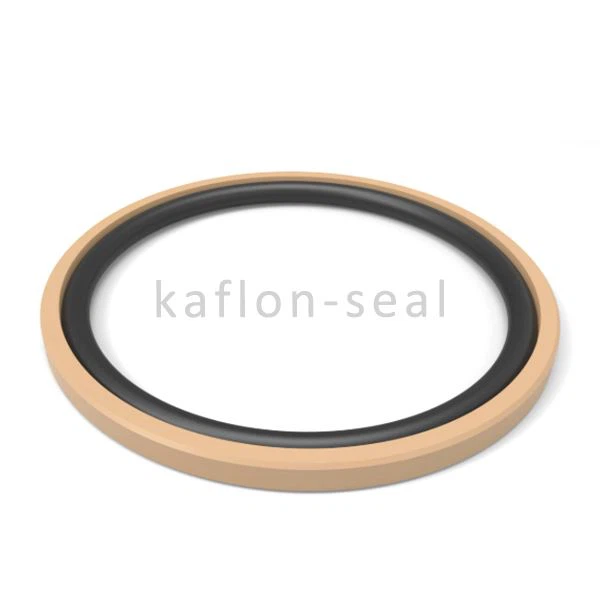
Some wear rings are designed with special features to enhance sealing performance. For example, they may have a lip or a double - lip design. These lips can conform to the surface of the mating parts, creating a better seal. Additionally, the material of the wear ring can be formulated to swell slightly in the presence of the hydraulic fluid, further improving the seal. You can explore PTFE Glyd Seal For Hydraulic Sealing to see how advanced sealing designs work.
Durability and Longevity
In the world of hydraulics, durability is key. High - quality hydraulic wear rings are built to last. They need to withstand the constant movement, pressure, and abrasion within the hydraulic system. This means they should be resistant to wear, corrosion, and fatigue.
As mentioned earlier, the choice of material plays a big role in durability. But the design also matters. For example, some wear rings are designed with a multi - layer structure. The outer layer may be made of a hard, wear - resistant material, while the inner layer provides flexibility and support. This combination can significantly extend the lifespan of the wear ring.

Compatibility
Hydraulic systems come in all shapes and sizes, and they use different types of fluids. High - quality wear rings need to be compatible with the specific hydraulic system they're used in. This includes compatibility with the hydraulic fluid, the mating materials, and the operating conditions.
For example, if the hydraulic system uses a synthetic fluid, the wear ring material must be able to resist the chemical properties of that fluid. Similarly, if the wear ring is in contact with a particular metal or plastic component, it should not cause any galvanic corrosion or other chemical reactions. Compatibility ensures that the wear ring can work effectively without causing any damage to the rest of the system.
Temperature and Pressure Resistance
Hydraulic systems can operate under a wide range of temperatures and pressures. High - quality wear rings need to be able to handle these variations. They should maintain their shape, sealing performance, and mechanical properties even in extreme conditions.
In high - temperature applications, the material of the wear ring needs to have good heat resistance. It should not soften or deform at elevated temperatures. In high - pressure systems, the wear ring must be strong enough to withstand the force without being extruded or damaged. Some wear rings are specifically designed for high - temperature or high - pressure applications, with materials and designs optimized for these conditions.
Ease of Installation
Last but not least, high - quality hydraulic wear rings are designed to be easy to install. This may seem like a small thing, but it can have a big impact on the overall efficiency of the system. If the wear ring is difficult to install, it may take longer to assemble the hydraulic system, increasing labor costs.
Wear rings with a simple and straightforward design are easier to handle. They may have features like a tapered edge or a split design, which makes it easier to fit them into the groove. Additionally, clear installation instructions are often provided, ensuring that the wear ring is installed correctly every time.
So, there you have it - the key design features of high - quality hydraulic wear rings. If you're in the market for hydraulic wear rings, keep these features in mind. And if you need OEM - quality solutions, you might want to check out OEM CPU Seal.
If you're interested in purchasing high - quality hydraulic wear rings for your application, I'd love to have a chat with you. Let's discuss your specific needs and find the perfect solution for your hydraulic system. Whether you're working on a small - scale project or a large - industrial application, we've got the expertise and products to meet your requirements. Reach out, and let's start the conversation!
References
- "Hydraulic Seals Handbook" - A comprehensive guide on hydraulic sealing technology.
- Industry research reports on hydraulic system components.
- Technical papers from leading manufacturers in the hydraulic industry.