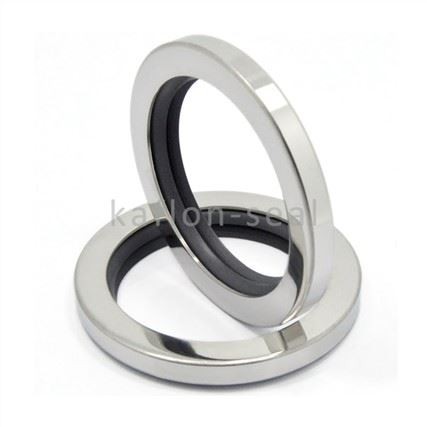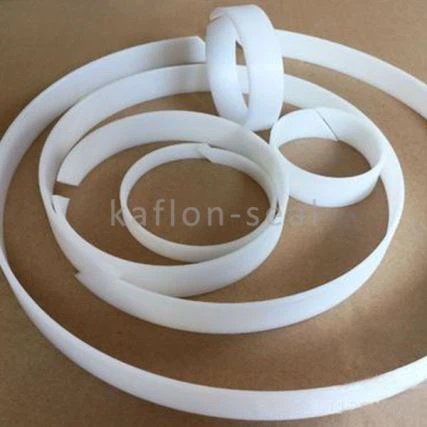

As a seasoned supplier of hydraulic seals, I've witnessed firsthand the critical role these components play in the smooth operation of hydraulic systems. Hydraulic seals are essential for preventing fluid leakage, maintaining pressure, and ensuring the overall efficiency of machinery. However, like any mechanical part, they are prone to failures that can disrupt operations and lead to costly downtime. In this blog post, I'll explore the common failures of hydraulic seals and provide practical solutions to address them.
Common Failures of Hydraulic Seals
1. Leakage
Leakage is perhaps the most obvious and common failure of hydraulic seals. It can occur due to several reasons, including improper installation, wear and tear, or damage to the seal. When a seal fails to prevent fluid from escaping, it not only leads to a loss of hydraulic efficiency but can also contaminate the surrounding environment.


Causes
- Improper Installation: Incorrect installation is a leading cause of seal leakage. If the seal is not installed correctly, it may not form a proper seal, allowing fluid to leak past it. This can happen if the seal is not aligned properly, if the installation tools are not used correctly, or if the seal is damaged during installation.
- Wear and Tear: Over time, hydraulic seals are subject to wear and tear due to the constant movement and pressure within the hydraulic system. This can cause the seal to lose its elasticity and ability to form a tight seal, leading to leakage.
- Damage: Seals can also be damaged by external factors such as abrasion, chemical exposure, or high temperatures. Abrasion can occur when the seal rubs against rough surfaces, while chemical exposure can cause the seal to degrade or swell. High temperatures can also cause the seal to lose its elasticity and become brittle, leading to leakage.
Solutions
- Proper Installation: To prevent leakage due to improper installation, it's essential to follow the manufacturer's installation instructions carefully. This includes using the correct installation tools, ensuring that the seal is aligned properly, and avoiding damage to the seal during installation.
- Regular Maintenance: Regular maintenance is key to preventing wear and tear on hydraulic seals. This includes inspecting the seals regularly for signs of damage or wear, replacing worn or damaged seals promptly, and ensuring that the hydraulic system is properly lubricated.
- Selecting the Right Seal: Choosing the right seal for the application is crucial to preventing leakage. This includes considering factors such as the operating conditions, the type of fluid being used, and the pressure and temperature requirements of the system. For example, if the system operates in a high-temperature environment, a seal made from a high-temperature-resistant material may be required.
2. Compression Set
Compression set is another common failure of hydraulic seals. It occurs when the seal is compressed for an extended period of time and loses its ability to return to its original shape. This can cause the seal to lose its sealing ability, leading to leakage.
Causes
- High Temperatures: High temperatures can cause the seal to soften and lose its elasticity, making it more prone to compression set. This can happen if the hydraulic system operates in a high-temperature environment or if the fluid being used is too hot.
- Overcompression: Overcompression can occur if the seal is installed with too much force or if the system operates at a higher pressure than the seal is designed to withstand. This can cause the seal to be compressed beyond its elastic limit, leading to compression set.
- Age and Material Degradation: Over time, the material of the seal can degrade due to exposure to heat, chemicals, or other environmental factors. This can cause the seal to lose its elasticity and become more prone to compression set.
Solutions
- Selecting the Right Seal: Choosing a seal made from a material that is resistant to compression set is crucial to preventing this failure. This includes materials such as fluorocarbon, silicone, and polyurethane, which are known for their excellent resistance to compression set.
- Proper Installation: To prevent overcompression, it's essential to follow the manufacturer's installation instructions carefully. This includes using the correct installation tools, ensuring that the seal is installed with the correct amount of force, and avoiding over-tightening the bolts or nuts.
- Temperature Control: Maintaining the temperature of the hydraulic system within the recommended range is important to prevent compression set. This can be achieved by using a cooling system, such as a heat exchanger, or by using a fluid with a higher temperature rating.
3. Extrusion
Extrusion occurs when the seal is forced out of its groove due to high pressure or improper installation. This can cause the seal to lose its sealing ability and lead to leakage.
Causes
- High Pressure: High pressure is a common cause of extrusion. If the pressure within the hydraulic system exceeds the design limit of the seal, it can cause the seal to be forced out of its groove.
- Improper Installation: Extrusion can also occur if the seal is not installed correctly. This can happen if the seal is not seated properly in its groove, if the groove is not the correct size or shape, or if the seal is damaged during installation.
- Wear and Tear: Over time, wear and tear on the seal can cause it to lose its ability to stay in its groove, making it more prone to extrusion.
Solutions
- Selecting the Right Seal: Choosing a seal that is designed to withstand the pressure requirements of the system is crucial to preventing extrusion. This includes seals with a high-pressure rating and those that are designed to resist extrusion.
- Proper Installation: To prevent extrusion due to improper installation, it's essential to follow the manufacturer's installation instructions carefully. This includes ensuring that the seal is seated properly in its groove, using the correct installation tools, and avoiding damage to the seal during installation.
- Using Backup Rings: Backup rings can be used to prevent extrusion by providing additional support to the seal. These rings are typically made from a hard, wear-resistant material and are installed behind the seal to prevent it from being forced out of its groove.
4. Abrasion
Abrasion is a common failure of hydraulic seals that occurs when the seal rubs against rough surfaces. This can cause the seal to wear down over time, leading to leakage.
Causes
- Rough Surfaces: Abrasion can occur when the seal rubs against rough surfaces, such as the cylinder wall or the piston rod. This can happen if the surfaces are not properly finished or if there are foreign particles in the hydraulic fluid.
- Improper Lubrication: Insufficient lubrication can also cause abrasion. If the hydraulic system is not properly lubricated, the seal can rub against the surfaces with increased friction, leading to wear and tear.
- High-Speed Operation: High-speed operation can increase the risk of abrasion. When the seal moves at high speeds, it can generate more friction and heat, which can cause the seal to wear down more quickly.
Solutions
- Surface Finishing: Ensuring that the surfaces in contact with the seal are properly finished can help to prevent abrasion. This includes using a smooth surface finish and removing any burrs or sharp edges.
- Proper Lubrication: Maintaining proper lubrication in the hydraulic system is crucial to preventing abrasion. This includes using the correct type and amount of lubricant and ensuring that the lubricant is changed regularly.
- Selecting the Right Seal: Choosing a seal made from a material that is resistant to abrasion is important to preventing this failure. This includes materials such as polytetrafluoroethylene (PTFE) and polyurethane, which are known for their excellent abrasion resistance.
Conclusion
In conclusion, hydraulic seals are essential components of hydraulic systems, but they are prone to failures that can disrupt operations and lead to costly downtime. By understanding the common failures of hydraulic seals and implementing the appropriate solutions, you can ensure the reliable and efficient operation of your hydraulic systems.
As a leading supplier of hydraulic seals, we offer a wide range of high-quality seals to meet the needs of various applications. Our products include Guiding Piston POM Guide Ring, Reciprocating Seal Phenolic Guide Ring, and Hydraulic Seals For Single And Double Acting. If you have any questions or need assistance in selecting the right seal for your application, please don't hesitate to contact us. We're here to help you find the best solution for your hydraulic sealing needs.
References
- "Hydraulic Seals: Selection, Installation, and Maintenance," Hydraulics & Pneumatics Magazine
- "Sealing Technology Handbook," John H. Bickford
- "Fluid Power Engineering," John C. Fitch