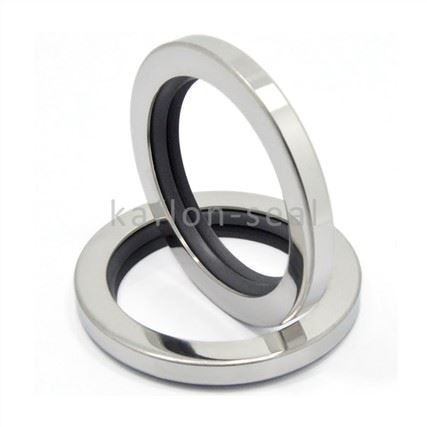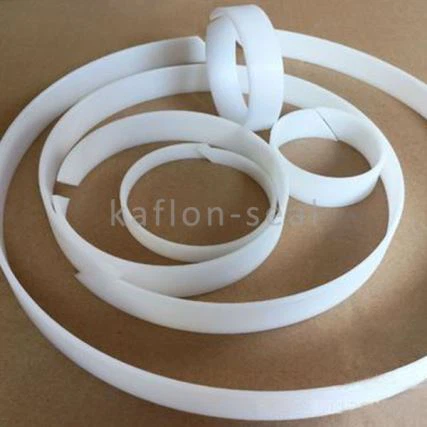

Hey there! As a supplier of Rotary Shaft Seals, I've seen my fair share of seal failures over the years. It can be a real headache for businesses, leading to downtime, increased maintenance costs, and even potential safety hazards. In this blog post, I'm going to break down the common causes of rotary shaft seal failure so you can take steps to prevent them.
1. Improper Installation
One of the most common reasons for seal failure is improper installation. If a seal isn't installed correctly, it won't be able to perform its job effectively. This can happen if the seal is damaged during installation, if it's not aligned properly with the shaft, or if it's not seated correctly in the housing.
For example, if the seal is installed with too much force, it can cause the sealing lip to deform or damage. On the other hand, if it's not installed with enough force, it may not create a proper seal, allowing fluid to leak. Also, if the shaft isn't clean and smooth before installation, it can cause premature wear on the seal.
To avoid installation issues, make sure you follow the manufacturer's instructions carefully. Use the right tools for the job and take your time to ensure the seal is installed correctly. If you're not sure how to install a seal, don't hesitate to reach out to us for guidance.
2. Shaft Misalignment
Shaft misalignment is another major culprit when it comes to seal failure. When the shaft isn't perfectly aligned with the housing, it can put extra stress on the seal. This can cause the seal to wear unevenly, leading to leaks.
There are several reasons why shaft misalignment can occur. It could be due to improper installation of the shaft or the housing, or it could be caused by wear and tear over time. For instance, if the bearings supporting the shaft start to wear out, it can cause the shaft to shift out of alignment.
To prevent shaft misalignment, regular maintenance and inspection are crucial. Check the alignment of the shaft and housing periodically and make any necessary adjustments. If you notice any signs of misalignment, such as unusual vibrations or noise, address the issue as soon as possible.
3. Contamination
Contamination is a big problem for rotary shaft seals. When dirt, debris, or other contaminants get into the seal, they can cause damage. These contaminants can act like abrasives, wearing down the seal and reducing its effectiveness.
Contamination can come from various sources. It could be from the environment, such as dust or dirt in the air, or it could be from the fluid being sealed. For example, if the fluid contains particles or impurities, it can cause damage to the seal.
To protect your seals from contamination, use proper filtration systems. Make sure the fluid being sealed is clean and free of contaminants. Also, keep the working environment as clean as possible. If you're working in a dirty or dusty area, consider using additional protective measures, such as covers or shields.
4. Temperature and Pressure
Extreme temperatures and pressures can also cause seal failure. Seals are designed to operate within a certain temperature and pressure range. If the conditions exceed these limits, the seal can be damaged.
High temperatures can cause the seal material to degrade, losing its elasticity and sealing properties. On the other hand, low temperatures can make the seal material brittle, increasing the risk of cracking. Similarly, if the pressure exceeds the seal's rating, it can cause the seal to deform or rupture.
When selecting a seal, make sure you choose one that is suitable for the operating temperature and pressure conditions. If you're dealing with extreme conditions, consider using seals made from materials that can withstand high temperatures and pressures, like the Vacuum Operation PTFE Stainless Oil Seal.
5. Wear and Tear
Over time, all seals will experience wear and tear. The constant friction between the seal and the shaft can cause the sealing lip to wear down. This can lead to leaks and reduced performance.
The rate of wear and tear depends on several factors, such as the operating conditions, the quality of the seal, and the type of fluid being sealed. For example, if the seal is exposed to harsh chemicals or high-speed rotation, it will wear out faster.
To extend the life of your seals, perform regular maintenance and inspections. Replace seals that show signs of excessive wear or damage. Using high-quality seals, like our Rotary PTFE Lips Stainless Oil Seal, can also help reduce wear and tear.
6. Incorrect Seal Selection
Choosing the wrong seal for the application is a common mistake that can lead to failure. Different applications have different requirements, such as the type of fluid being sealed, the operating temperature and pressure, and the speed of the shaft. If you select a seal that isn't suitable for these conditions, it won't perform well.
For example, if you're sealing a high-temperature fluid, you need a seal that can withstand those temperatures. Using a standard seal in this situation will likely result in premature failure.
When selecting a seal, consider all the factors involved in the application. If you're not sure which seal is right for your needs, we can help. Our team of experts can recommend the best seal for your specific application, like the Rotating Motions PTFE Shaft Seals for applications with rotating motions.


How We Can Help
At our company, we understand the importance of reliable rotary shaft seals. That's why we offer a wide range of high-quality seals to meet your needs. Whether you're dealing with high temperatures, high pressures, or harsh chemicals, we have a seal that can get the job done.
If you're experiencing seal failures or if you're not sure which seal to choose for your application, don't hesitate to contact us. Our team of experts is here to help you find the right solution. We can provide you with technical support, installation guidance, and advice on seal maintenance.
Investing in high-quality seals and proper maintenance can save you time and money in the long run. So, if you're ready to take your sealing solutions to the next level, let's start a conversation. We're looking forward to working with you to solve your sealing challenges.
References
- "Sealing Technology Handbook" by John H. Birkett
- Various industry reports on rotary shaft seal performance and failure analysis.