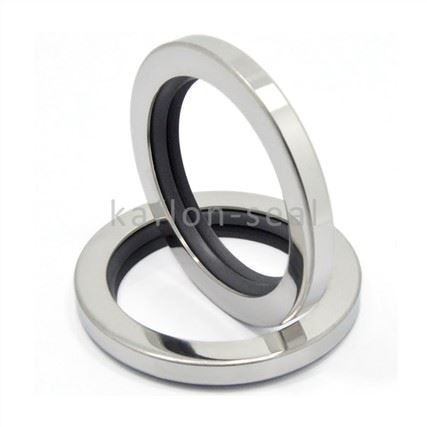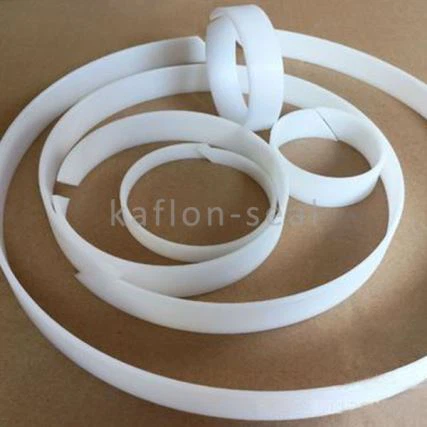

Hey there! As a supplier of Rotary Glyd Rings, I've seen firsthand how important it is to keep these components running smoothly. One of the key challenges in using Rotary Glyd Rings is reducing friction, which can lead to wear and tear, decreased efficiency, and even system failure. In this blog post, I'll share some tips and tricks on how to reduce the friction of a Rotary Glyd Ring, based on my experience in the industry.
Understanding the Basics of Rotary Glyd Rings
Before we dive into the details of reducing friction, let's take a quick look at what Rotary Glyd Rings are and how they work. A Rotary Glyd Ring is a type of sealing device that is used to prevent fluid leakage in rotating applications. It consists of a PTFE (polytetrafluoroethylene) sealing lip and a rubber energizer, which provides the necessary preload to keep the seal in contact with the shaft.
The PTFE sealing lip is the key component of the Rotary Glyd Ring, as it provides a low-friction, wear-resistant seal. However, even with the best PTFE materials, friction can still occur, especially in high-speed or high-pressure applications. That's why it's important to take steps to reduce friction and ensure the long-term performance of the seal.
Tips for Reducing Friction
Now that we understand the basics of Rotary Glyd Rings, let's take a look at some tips for reducing friction:
1. Choose the Right Material
The first step in reducing friction is to choose the right material for your Rotary Glyd Ring. PTFE is a popular choice for sealing applications because of its low friction coefficient and excellent chemical resistance. However, not all PTFE materials are created equal, and some may be better suited for your specific application than others.
When choosing a PTFE material, consider factors such as the operating temperature, pressure, and speed of your application. You may also want to consider using a filled PTFE material, which can provide additional wear resistance and reduce friction even further.
2. Proper Installation
Proper installation is crucial for reducing friction and ensuring the long-term performance of your Rotary Glyd Ring. Make sure to follow the manufacturer's installation instructions carefully, and use the appropriate tools and techniques.
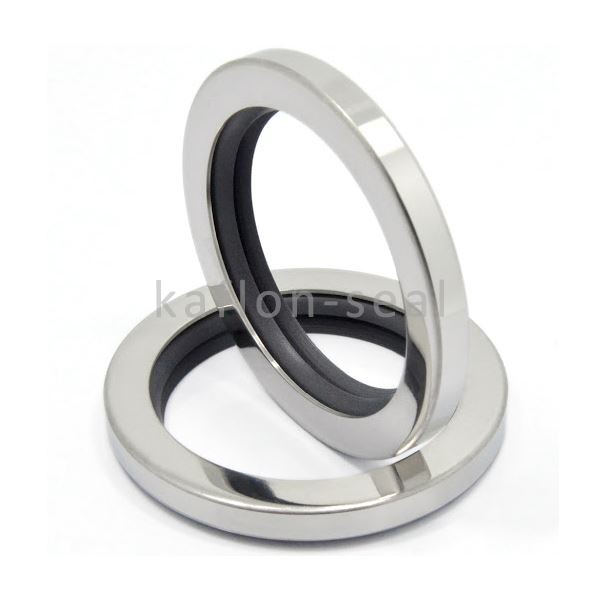

When installing the seal, make sure to clean the shaft and housing thoroughly to remove any dirt, debris, or oil. You may also want to apply a small amount of lubricant to the sealing lip to help reduce friction during installation.
3. Lubrication
Lubrication is another important factor in reducing friction. Applying a small amount of lubricant to the sealing lip can help reduce friction and wear, and improve the seal's performance.
When choosing a lubricant, make sure to choose one that is compatible with the PTFE material and the fluid being sealed. You may also want to consider using a lubricant that is specifically designed for high-speed or high-pressure applications.
4. Surface Finish
The surface finish of the shaft and housing can also have a significant impact on friction. A smooth surface finish can help reduce friction and wear, while a rough surface finish can increase friction and cause the seal to wear out more quickly.
When machining the shaft and housing, make sure to use a fine finish to minimize surface roughness. You may also want to consider using a surface treatment, such as hard chrome plating or nitriding, to improve the surface hardness and reduce friction.
5. Operating Conditions
Finally, it's important to consider the operating conditions of your application when trying to reduce friction. High-speed or high-pressure applications can generate more friction and wear, so it's important to choose a Rotary Glyd Ring that is designed for these conditions.
You may also want to consider using a cooling system or other measures to reduce the operating temperature of the seal. This can help reduce friction and wear, and improve the seal's performance.
Related Products
In addition to Rotary Glyd Rings, we also offer a range of other sealing products that can help reduce friction and improve the performance of your application. Some of our popular products include:
- Radial Shaft Seals With PTFE Lips: These seals are designed to provide a low-friction, wear-resistant seal in rotating applications.
- Radial PTFE Shaft Seal: These seals are similar to Rotary Glyd Rings, but they are designed for use in radial applications.
- Double Lips PTFE Oil Seal: These seals are designed to provide a double-lip seal, which can help reduce friction and improve the seal's performance.
Conclusion
Reducing friction is crucial for ensuring the long-term performance of your Rotary Glyd Ring. By choosing the right material, proper installation, lubrication, surface finish, and operating conditions, you can minimize friction and wear, and improve the seal's performance.
If you have any questions or need help choosing the right Rotary Glyd Ring or other sealing products for your application, please don't hesitate to contact us. We're here to help you find the best solutions for your needs.
References
- "Sealing Technology Handbook" by John H. Bickford
- "Rotary Shaft Seals: Design, Selection, and Application" by John W. Hockenbury
- "PTFE Seals: A Comprehensive Guide" by David A. Wroblewski