
Hey there! As a supplier of Rotary Shaft Seals, I've seen firsthand how important these little components are in keeping machinery running smoothly. In this blog, I'm gonna share some tips on how to maintain rotary shaft seals to ensure they last as long as possible and perform at their best.
Understanding Rotary Shaft Seals
First off, let's quickly go over what rotary shaft seals are. These seals are used to prevent the leakage of fluids, like oil or grease, and to keep contaminants out of machinery. They're commonly found in engines, pumps, and other rotating equipment.
There are different types of rotary shaft seals, but today I'll focus on some of the popular ones. Check out our Radial Shaft Seals With PTFE Lips. These seals have PTFE lips, which offer low friction and excellent chemical resistance. They're great for applications where you need a reliable seal in harsh environments.
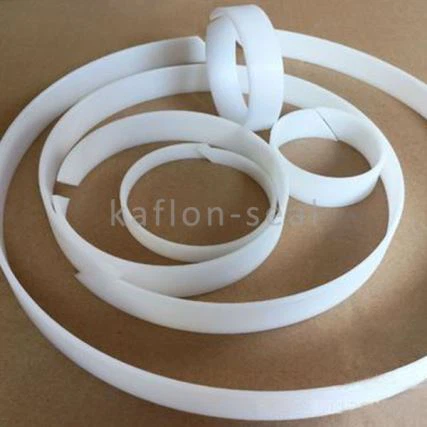
Another type is the Friction Coefficients PTFE Oil Seal Seal. The PTFE material in these seals helps reduce friction, which can lead to less wear and tear on the shaft and the seal itself. This is crucial for extending the lifespan of your equipment.
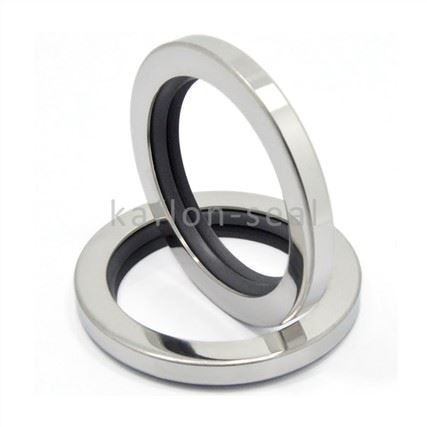
And then there's the PTFE Stainless Rotary Shaft Seal. Made with stainless steel and PTFE, these seals are not only corrosion-resistant but also very durable. They're suitable for a wide range of applications, from food processing to automotive.
Maintenance Tips
1. Regular Inspection
One of the most important things you can do is to inspect your rotary shaft seals regularly. Look for signs of wear, such as cracks, tears, or excessive leakage. If you notice any of these issues, it's a good idea to replace the seal as soon as possible. You can use a simple visual inspection or, if necessary, some basic measuring tools to check the condition of the seal.
For example, if you see oil dripping from the seal area, it could mean that the seal is damaged or not installed correctly. In this case, you should stop the equipment and take a closer look. Also, check the shaft for any signs of damage, like scoring or roughness, as this can also affect the performance of the seal.
2. Keep It Clean
Dirt and debris can cause a lot of problems for rotary shaft seals. They can get trapped between the seal and the shaft, leading to increased friction and wear. So, make sure to keep the area around the seal clean. You can use a clean cloth or a mild cleaning solution to wipe away any dirt or grime.
When cleaning, be careful not to damage the seal. Avoid using abrasive materials or harsh chemicals that could degrade the seal material. And always make sure the area is dry before restarting the equipment.
3. Proper Installation
Installing the rotary shaft seal correctly is crucial for its performance and longevity. Make sure to follow the manufacturer's instructions carefully. Use the right tools and techniques to ensure a proper fit.
For instance, when installing the seal, make sure it's aligned correctly with the shaft. You may need to use a seal installer to get the seal in place without damaging it. And don't forget to lubricate the seal before installation. This will help reduce friction during the initial startup and prevent damage to the seal.


4. Monitor Operating Conditions
The operating conditions of your equipment can have a big impact on the performance of the rotary shaft seal. Factors like temperature, pressure, and speed can all affect the seal's lifespan.
For example, if the temperature is too high, the seal material may expand or become brittle, leading to leakage. On the other hand, if the pressure is too low, the seal may not be able to maintain a proper seal. So, it's important to monitor these conditions and make adjustments if necessary.
You can use sensors or monitoring devices to keep track of the operating conditions. If you notice any significant changes, take action to correct the problem before it causes damage to the seal.
5. Replace Seals at the Right Time
Even with proper maintenance, rotary shaft seals will eventually wear out. It's important to know when it's time to replace them. You can use a maintenance schedule based on the manufacturer's recommendations or your own experience with the equipment.
For example, if you know that a particular seal typically lasts for a certain number of hours of operation, you can plan to replace it before it fails. This will help prevent unexpected downtime and costly repairs.
Conclusion
Maintaining rotary shaft seals is essential for the smooth operation of your machinery. By following these tips, you can extend the lifespan of your seals, reduce the risk of leakage, and save money on repairs and replacements.
If you're in the market for high-quality rotary shaft seals, we're here to help. We offer a wide range of seals, including the ones I mentioned earlier. Whether you need a seal for a specific application or just want to upgrade your existing seals, we've got you covered.
So, if you're interested in learning more or making a purchase, feel free to reach out. We'd love to have a chat with you and help you find the right seals for your needs.
References
- General knowledge about rotary shaft seals from industry experience.
- Manufacturer's guidelines for the installation and maintenance of rotary shaft seals.