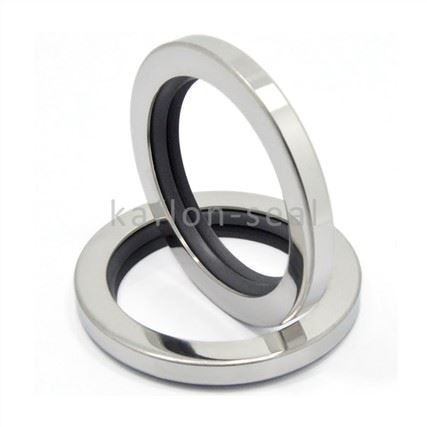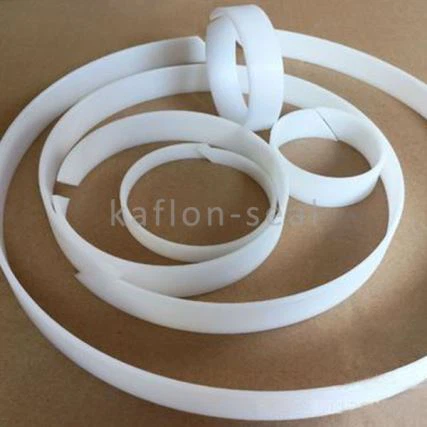

Hey there! As a supplier of PTFE lip seals, I often get asked, "How long does a PTFE lip seal last?" Well, it's not a one - size - fits - all answer, and in this blog, I'm gonna break down the factors that affect the lifespan of these seals and give you a better idea of what to expect.
What Are PTFE Lip Seals?
Before we dive into their lifespan, let's quickly talk about what PTFE lip seals are. PTFE, or polytetrafluoroethylene, is a synthetic fluoropolymer known for its low friction, high chemical resistance, and excellent thermal stability. PTFE lip seals are used in a wide range of applications, from automotive engines to industrial machinery, to prevent the leakage of fluids and keep contaminants out.
Factors Affecting the Lifespan of PTFE Lip Seals
1. Operating Conditions
The environment in which the PTFE lip seal operates plays a huge role in its lifespan. For instance, if the seal is exposed to high temperatures, it can cause the PTFE material to degrade over time. High - temperature applications can lead to thermal expansion and contraction, which may cause the seal to lose its shape and effectiveness. On the other hand, extremely cold temperatures can make the PTFE more brittle, increasing the risk of cracking.
Pressure is another important factor. If the seal is subjected to high pressures, it has to work harder to maintain its integrity. Over time, excessive pressure can cause the lip of the seal to deform, leading to leakage. Additionally, the presence of abrasive particles in the fluid or the surrounding environment can wear down the PTFE lip, reducing its lifespan.
2. Shaft Surface Finish
The surface finish of the shaft that the PTFE lip seal comes into contact with is crucial. A rough shaft surface can cause accelerated wear on the seal lip. As the seal rubs against a rough surface, it experiences more friction, which can lead to premature failure. A smooth shaft surface, on the other hand, reduces friction and allows the seal to perform better and last longer.
3. Fluid Compatibility
PTFE is known for its excellent chemical resistance, but not all fluids are compatible with it. Some aggressive chemicals can react with the PTFE material, causing it to swell, soften, or degrade. If the seal is in contact with a fluid that it's not compatible with, its lifespan will be significantly reduced. It's essential to choose a PTFE lip seal that is specifically designed for the fluid it will be exposed to.
4. Installation
Proper installation is key to ensuring the long - term performance of a PTFE lip seal. If the seal is installed incorrectly, it can be damaged right from the start. For example, if the seal is not centered properly on the shaft or if it's installed with excessive force, it can cause the lip to deform or get cut. This will compromise the seal's ability to prevent leakage and will shorten its lifespan.
Typical Lifespan Estimates
It's difficult to give an exact lifespan for PTFE lip seals because of the many factors involved. However, under normal operating conditions, a well - installed and properly maintained PTFE lip seal can last anywhere from 2 to 5 years. In some applications with less demanding conditions, such as low - pressure and low - temperature environments, the seal may last even longer, up to 10 years.
On the other hand, in harsh operating conditions, such as high - temperature, high - pressure, and abrasive environments, the lifespan of a PTFE lip seal may be reduced to as little as 6 months to 1 year.
Our PTFE Lip Seal Products
At our company, we offer a wide range of high - quality PTFE lip seals to meet different application requirements. Our Radial PTFE Shaft Seal is designed to provide excellent sealing performance in radial shaft applications. It's made from high - grade PTFE material and is engineered to withstand a variety of operating conditions.

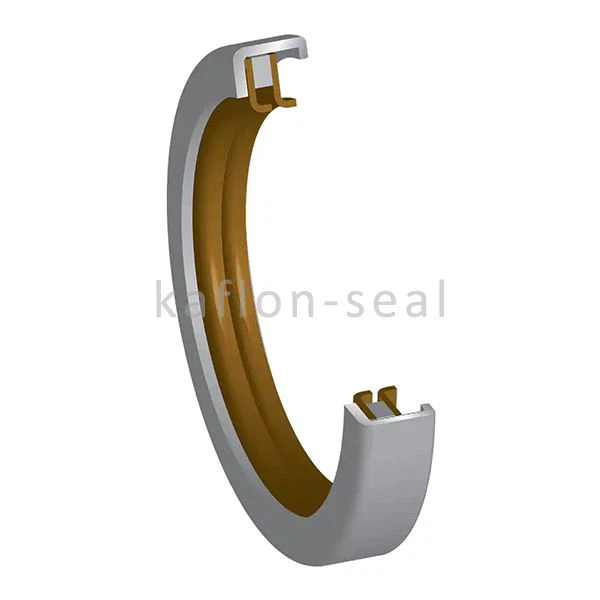
For applications that require vacuum operation, our Vacuum Operation PTFE Stainless Oil Seal is the perfect choice. It's specifically designed to maintain a tight seal in vacuum environments, preventing the ingress of air and the leakage of fluids.
We also have Radial Shaft Seals With PTFE Lips, which offer enhanced sealing performance and longer lifespan compared to traditional seals. These seals are suitable for a wide range of industrial applications, including pumps, motors, and gearboxes.
Tips to Extend the Lifespan of PTFE Lip Seals
- Regular Inspection: Periodically inspect the seals for signs of wear, damage, or leakage. Early detection of problems can help you replace the seals before they fail completely.
- Proper Lubrication: Use the right lubricant for the application. Lubrication can reduce friction between the seal lip and the shaft, extending the seal's lifespan.
- Maintain Clean Operating Conditions: Keep the environment around the seal clean to prevent the ingress of abrasive particles.
- Follow Installation Guidelines: Make sure to follow the manufacturer's installation instructions carefully to ensure proper installation.
Conclusion
In conclusion, the lifespan of a PTFE lip seal depends on a variety of factors, including operating conditions, shaft surface finish, fluid compatibility, and installation. While it's difficult to give an exact lifespan, with proper selection, installation, and maintenance, you can expect a PTFE lip seal to last for several years.
If you're in the market for high - quality PTFE lip seals, we're here to help. Our team of experts can assist you in choosing the right seal for your specific application. Don't hesitate to reach out to us for more information or to start a procurement discussion.
References
- "Sealing Technology Handbook" by John H. Bickford
- "The Fundamentals of PTFE Materials" by DuPont