


Hey there! As a supplier of Rotary Shaft Seals, I often get asked about how these nifty little components handle shock loads. It's a crucial question because in many industrial applications, shock loads are just part of the deal. So, let's dive right in and explore this topic.
What are Shock Loads?
First things first, we need to understand what shock loads are. Shock loads are sudden and intense forces that act on a system for a short period. They can happen due to various reasons like sudden starts or stops, impacts, or even vibrations. In the context of rotary shaft seals, these shock loads can put a lot of stress on the seal and potentially cause it to fail.
How Rotary Shaft Seals are Designed to Handle Shock Loads
When it comes to handling shock loads, the design of rotary shaft seals plays a vital role. Most of our seals are engineered with materials that have high elasticity and strength. For example, we use advanced polymers and elastomers that can deform under the shock load and then quickly return to their original shape. This ability to bounce back helps the seal maintain its integrity and continue to perform its sealing function effectively.
Another important aspect of the design is the cross - sectional shape of the seal. Our seals are designed with specific cross - sectional shapes that distribute the stress evenly across the seal. This reduces the risk of concentrated stress points that could lead to premature failure. For instance, some of our seals have a rounded lip design that can better adapt to the changing forces during a shock load.
Material Selection
The choice of material is key when it comes to handling shock loads. We offer a wide range of materials for our rotary shaft seals, each with its own set of properties. One of our popular materials is PTFE, which is known for its excellent chemical resistance, low friction coefficients, and high temperature resistance.
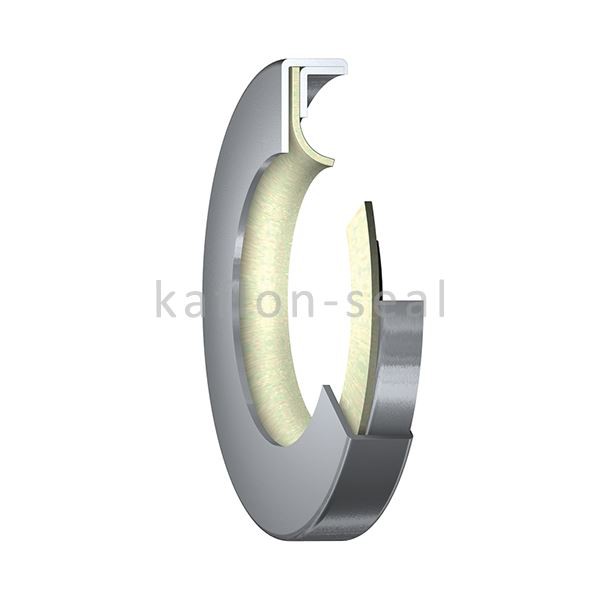
Check out our PTFE Stainless Rotary Shaft Seal. It combines the strength of stainless steel with the excellent properties of PTFE. The stainless steel provides the structural support, while the PTFE offers a smooth surface that can withstand the impact of shock loads.
We also have our Vacuum Operation PTFE Stainless Oil Seal. This seal is specifically designed for applications that require vacuum operation, and it can handle shock loads while maintaining a tight seal. The PTFE material in this seal has a high resistance to wear and tear, which is essential when dealing with the sudden forces of shock loads.
Testing and Quality Assurance
We don't just rely on the design and materials. Our rotary shaft seals go through rigorous testing to ensure they can handle shock loads. We use advanced testing equipment to simulate real - world conditions and apply shock loads to the seals. This allows us to measure the performance of the seals under stress and make any necessary adjustments to the design or materials.
For example, we test the seals for their ability to resist extrusion. During a shock load, the seal can be forced out of its groove if it's not properly designed. Our testing helps us determine the maximum stress that the seal can withstand without extruding.
We also test the seals for their resilience. Resilience is the ability of the seal to return to its original shape after being deformed by a shock load. Seals with high resilience are more likely to maintain their sealing performance over time.
Friction and Heat Generation
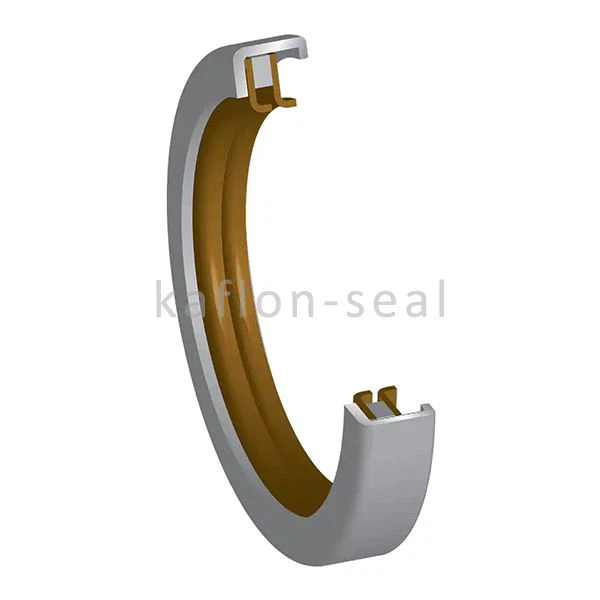
Shock loads can also cause an increase in friction and heat generation within the seal. This is where our Friction Coefficients PTFE Oil Seal Seal comes in handy. The PTFE material in this seal has a very low friction coefficient, which means less heat is generated during operation.
Excessive heat can cause the seal material to degrade, leading to a loss of sealing performance. By reducing friction and heat generation, our PTFE seals can withstand shock loads without suffering from premature failure.
Installation and Maintenance
Proper installation and maintenance are also crucial for ensuring that the rotary shaft seals can handle shock loads. When installing the seals, it's important to follow the manufacturer's instructions carefully. Incorrect installation can cause the seal to be misaligned or under too much stress, which can reduce its ability to handle shock loads.
Regular maintenance is also essential. We recommend checking the seals regularly for signs of wear and tear, such as cracks or deformation. If any issues are detected, the seals should be replaced immediately to prevent failure.
Conclusion
In conclusion, rotary shaft seals are designed and engineered to handle shock loads effectively. Through careful material selection, advanced design, rigorous testing, and proper installation and maintenance, our seals can withstand the sudden and intense forces of shock loads. If you're in the market for high - quality rotary shaft seals, don't hesitate to reach out. We're here to help you find the perfect seals for your application. Whether you need seals for a high - shock environment or a normal operating condition, we've got you covered. Contact us today to discuss your requirements and start the procurement process.
References
- Smith, J. (2020). Industrial Sealing Technology. Publisher XYZ.
- Johnson, A. (2019). Materials for High - Performance Seals. Journal of Sealing Science, 15(2).
- Brown, C. (2021). Testing Methods for Seals under Extreme Conditions. Proceedings of the International Sealing Conference.





