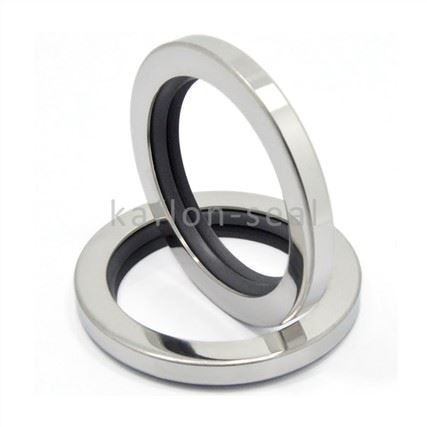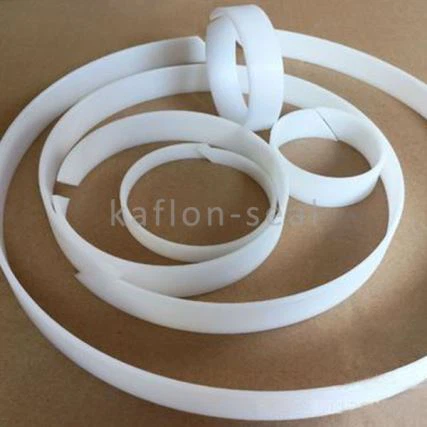

When it comes to maintaining the efficiency and longevity of machinery, the role of rotary shaft seals cannot be overstated. These small yet crucial components prevent the leakage of fluids, such as oil and grease, while keeping out contaminants like dirt and dust. As a leading supplier of Rotary Shaft Seals, I understand the importance of accurate measurement when it comes to replacing these seals. In this blog post, I will guide you through the process of measuring a rotary shaft seal for replacement, ensuring a perfect fit and optimal performance.
Why Accurate Measurement Matters
Before delving into the measurement process, it's essential to understand why accurate measurement is so important. A poorly fitting seal can lead to a host of problems, including leakage, increased friction, and premature wear. These issues not only compromise the performance of the machinery but can also result in costly repairs and downtime. By taking the time to measure the seal correctly, you can ensure a proper fit, which in turn will extend the life of the seal and the machinery it protects.
Tools Required for Measurement
To measure a rotary shaft seal accurately, you will need a few basic tools:
- Calipers: A good set of calipers is essential for measuring the dimensions of the seal. Digital calipers are preferred as they provide more accurate readings.
- Micrometer: A micrometer can be used to measure the thickness of the seal, which is especially important for seals with tight tolerances.
- Ruler or Tape Measure: A ruler or tape measure can be used to measure the overall length and width of the seal, as well as the diameter of the shaft.
Step-by-Step Measurement Process
Now that you have the necessary tools, let's walk through the step-by-step process of measuring a rotary shaft seal for replacement:

Step 1: Remove the Old Seal
The first step is to remove the old seal from the machinery. This may require the use of a seal puller or other specialized tools, depending on the type of seal and the application. Be careful not to damage the shaft or the housing when removing the seal.
Step 2: Clean the Shaft and Housing
Once the old seal has been removed, clean the shaft and the housing thoroughly to remove any dirt, debris, or old sealant. This will ensure accurate measurements and a proper fit for the new seal.
Step 3: Measure the Shaft Diameter
Using a caliper or a micrometer, measure the diameter of the shaft where the seal will be installed. Take multiple measurements at different points along the shaft to ensure accuracy. Make sure to measure the shaft in a clean and dry condition.

Step 4: Measure the Housing Bore Diameter
Next, measure the diameter of the housing bore where the seal will be installed. Again, use a caliper or a micrometer and take multiple measurements at different points to ensure accuracy. The housing bore should be clean and free of any burrs or damage.
Step 5: Measure the Seal Thickness
If the seal has a specific thickness requirement, use a micrometer to measure the thickness of the old seal. This will help you select a new seal with the correct thickness.
Step 6: Measure the Seal Width
Measure the width of the old seal using a ruler or a tape measure. This will give you an idea of the size of the new seal you need.
Step 7: Check the Seal Lip Design
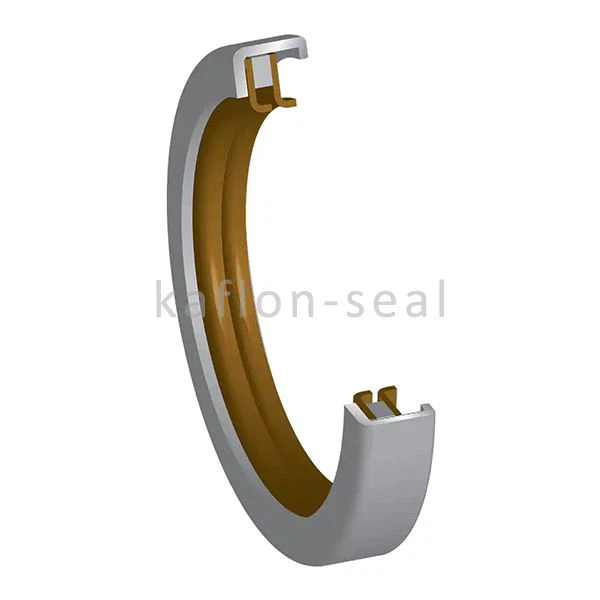
Examine the lip design of the old seal. Different lip designs are suitable for different applications, so it's important to choose a new seal with a similar lip design. Some common lip designs include single lip, double lip, and spring-loaded lip.
Step 8: Consider the Operating Conditions
In addition to the physical dimensions of the seal, you also need to consider the operating conditions of the machinery. Factors such as temperature, pressure, speed, and the type of fluid being sealed will all affect the performance of the seal. Make sure to choose a seal that is designed to withstand the specific operating conditions of your application.
Selecting the Right Seal
Once you have measured the old seal and considered the operating conditions, it's time to select the right seal for your application. As a Rotary Shaft Seals supplier, we offer a wide range of seals to meet the needs of various industries and applications. Some of our popular products include the Vacuum Operation PTFE Stainless Oil Seal, the Screw Comprosser PTFE Oil Seal, and the PTFE Filled POB Shaft Seal. These seals are made from high-quality materials and are designed to provide excellent performance and durability.
Installation Tips
After selecting the right seal, it's important to install it correctly to ensure optimal performance. Here are some installation tips to keep in mind:
- Lubricate the Seal: Before installing the seal, lubricate the lip and the sealing surface with a suitable lubricant. This will help prevent damage to the seal during installation and ensure a proper seal.
- Use a Seal Installer: To ensure that the seal is installed evenly and without damage, use a seal installer. A seal installer will help you apply even pressure to the seal, ensuring a proper fit.
- Align the Seal: Make sure the seal is aligned correctly with the shaft and the housing bore before installing it. Misalignment can cause the seal to leak or wear prematurely.
- Avoid Over-Tightening: Do not over-tighten the seal during installation. Over-tightening can cause the seal to deform or damage the shaft and the housing.
Conclusion
Measuring a rotary shaft seal for replacement is a crucial step in maintaining the efficiency and longevity of machinery. By following the steps outlined in this blog post and using the right tools, you can ensure a proper fit and optimal performance for your new seal. As a Rotary Shaft Seals supplier, we are committed to providing high-quality seals and excellent customer service. If you have any questions or need assistance with selecting the right seal for your application, please do not hesitate to contact us. We look forward to working with you to meet your sealing needs.
References
- "Rotary Shaft Seals: A Comprehensive Guide." Sealing Solutions Magazine, Vol. 10, No. 2, 2023.
- "Measurement Techniques for Rotary Shaft Seals." Industrial Maintenance Journal, Vol. 15, No. 3, 2022.
- "Selecting the Right Rotary Shaft Seal for Your Application." Machinery Lubrication, Vol. 8, No. 4, 2021.