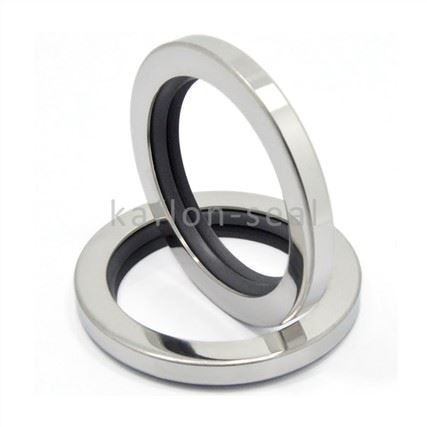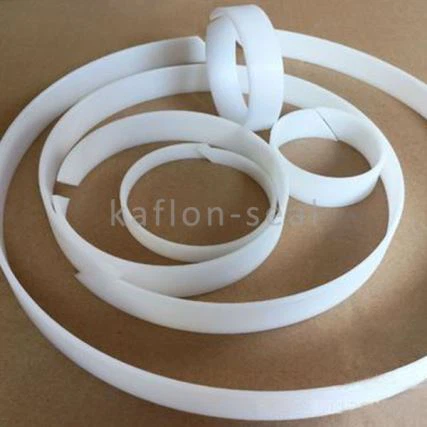

Hey there! As a supplier of hydraulic wiper seals, I've seen firsthand how crucial these little components are in keeping hydraulic systems running smoothly. In this blog, I'm gonna share some tips on how to maintain hydraulic wiper seals to ensure they last as long as possible and keep your equipment in top - notch condition.
Understanding Hydraulic Wiper Seals
First off, let's quickly talk about what hydraulic wiper seals do. These seals are installed on the rod of a hydraulic cylinder, and their main job is to wipe away dirt, dust, moisture, and other contaminants from the rod as it retracts into the cylinder. This helps prevent these contaminants from entering the hydraulic system, which could cause damage to the seals, valves, and other components.
Now, we offer a variety of high - quality seals, like the Rod Sealing PU Ring Seal, Hydraulic PU Seal, and Piston Sealing Glyd Ring. Each of these seals has its own unique features and benefits, so it's essential to choose the right one for your specific application.
Regular Inspections
One of the most important things you can do to maintain hydraulic wiper seals is to conduct regular inspections. You should check the seals for any signs of wear, damage, or leakage at least once a month, or more frequently if the equipment is used in harsh environments.
Look for things like cuts, tears, or cracks in the seal material. These can allow contaminants to bypass the seal and enter the system. If you notice any signs of wear or damage, it's important to replace the seal as soon as possible. Delaying replacement can lead to more serious problems down the road, such as seizing of the cylinder or damage to the rod.
Cleanliness is Key
Keeping the area around the hydraulic wiper seals clean is also crucial. Before you start any inspection or maintenance work, make sure to clean the rod and the surrounding area thoroughly. Use a clean, dry cloth to wipe away any dirt or debris. Avoid using abrasive materials that could scratch the rod or damage the seal.
When the equipment is in use, try to keep the operating environment as clean as possible. If the machinery is used in a dusty or dirty area, consider using protective covers or enclosures to shield the hydraulic cylinders from contaminants.
Lubrication
Proper lubrication is another important aspect of maintaining hydraulic wiper seals. Most hydraulic wiper seals are designed to work with a specific type of lubricant, so make sure to use the one recommended by the seal manufacturer.
Lubrication helps reduce friction between the seal and the rod, which can extend the life of the seal. It also helps prevent the seal from drying out and cracking. When applying lubricant, make sure to apply it evenly and avoid over - lubricating, as this can attract more dirt and debris.
Temperature and Pressure Considerations
Hydraulic wiper seals are sensitive to both temperature and pressure. Extreme temperatures can cause the seal material to expand or contract, which can lead to leaks or premature wear. Similarly, high pressures can put excessive stress on the seals, causing them to fail.
Make sure to operate your hydraulic equipment within the recommended temperature and pressure ranges. If you need to operate the equipment in extreme conditions, consider using seals that are specifically designed to withstand those conditions.
Installation and Removal
Proper installation and removal of hydraulic wiper seals are also vital for their longevity. When installing a new seal, make sure to follow the manufacturer's instructions carefully. Use the proper installation tools to avoid damaging the seal.
When removing a worn - out seal, be gentle and avoid using sharp tools that could scratch the rod. A damaged rod can cause the new seal to wear out quickly.
Troubleshooting
Even with proper maintenance, you may encounter problems with your hydraulic wiper seals from time to time. If you notice any leaks or abnormal behavior in your hydraulic system, it's important to troubleshoot the problem as soon as possible.
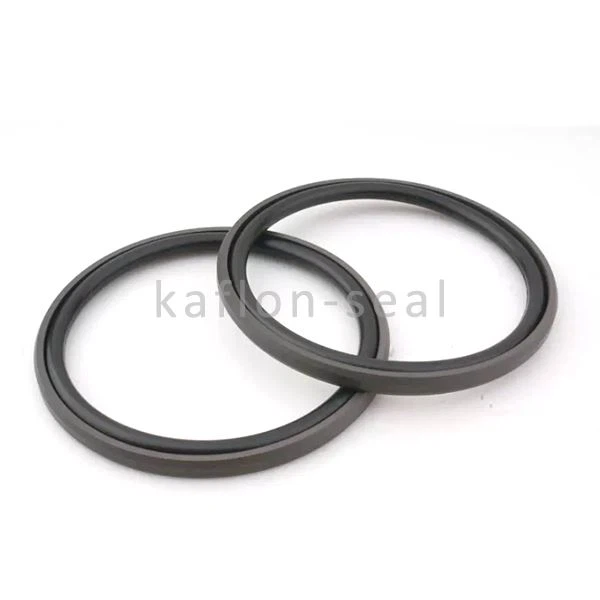

First, check the seals for any visible signs of damage. If the seals look okay, then the problem could be due to other factors, such as incorrect installation, improper lubrication, or high - pressure spikes.
In some cases, it may be necessary to consult with a hydraulic expert to diagnose and fix the problem.
Why Choose Our Hydraulic Wiper Seals?
At our company, we take pride in offering high - quality hydraulic wiper seals. Our seals are made from top - grade materials that are designed to withstand even the toughest operating conditions. We use the latest manufacturing techniques to ensure consistent quality and performance.
If you're in the market for hydraulic wiper seals or other related products, don't hesitate to get in touch. Whether you need advice on which seal is right for your application or are ready to place an order, we're here to help. Contact us to start a procurement discussion. We'll work with you to find the best solutions for your hydraulic system needs.
References
- Hydraulic Seals Handbook. An industry - standard guide that provides detailed information on the design, installation, and maintenance of hydraulic seals.
- Manufacturer's specifications for hydraulic wiper seals. These documents offer in - depth information about each seal's performance characteristics and recommended maintenance procedures.