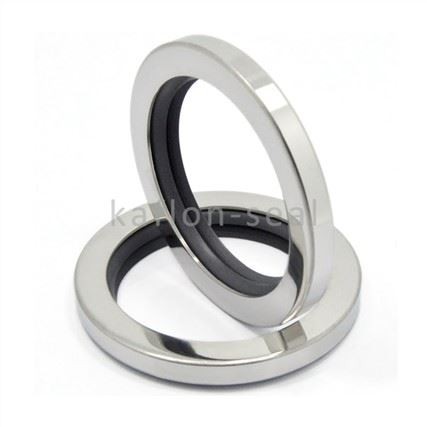

Hey there! As a supplier of hydraulic seals, I've seen firsthand how these little components play a massive role in high - pressure hydraulic systems. So, let's dig into how hydraulic seals withstand high - pressure conditions.
The Basics of Hydraulic Seals
First off, what are hydraulic seals? Well, they're like the guardians of hydraulic systems. Their main job is to keep the hydraulic fluid where it's supposed to be and prevent any leakage. In high - pressure systems, this becomes even more crucial. A small leak can lead to a big drop in efficiency, and in some cases, it can even cause the whole system to fail.
Material Matters
One of the key factors in a seal's ability to withstand high pressure is the material it's made from. There are several materials commonly used for hydraulic seals, each with its own set of properties.
Polyurethane (PU)
Polyurethane is a popular choice for hydraulic seals. It's tough, flexible, and has excellent abrasion resistance. When it comes to high - pressure situations, PU seals can handle a lot. They can maintain their shape and sealing properties even under extreme pressure. For example, our Polyurethane Piston Seal For Static Application is specifically designed for static applications where high pressure is involved. The unique molecular structure of polyurethane allows it to resist deformation and hold up against the force exerted by the hydraulic fluid.
Polytetrafluoroethylene (PTFE)
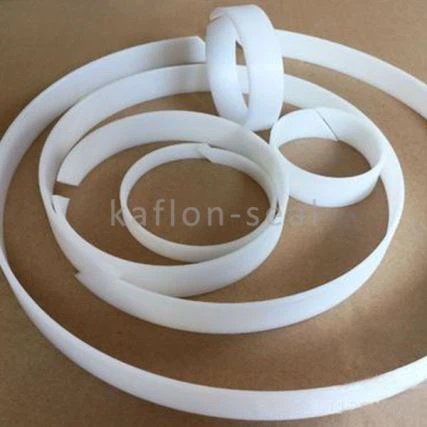
PTFE is another great material for high - pressure hydraulic seals. It has a low coefficient of friction, which means it can slide smoothly against other surfaces without wearing out quickly. Our Hydraulic PTFE Guide Ring Seal is a prime example of a PTFE - based seal that can handle high pressures. PTFE is also chemically inert, so it can withstand a wide range of hydraulic fluids without getting damaged. This makes it ideal for use in high - pressure systems where the fluid may be under a lot of stress and could potentially react with other materials.
Design Considerations
The design of a hydraulic seal is just as important as the material it's made from. A well - designed seal can distribute the pressure evenly and prevent any weak spots that could lead to failure.
Lip Design
Many hydraulic seals have a lip design. The lip is the part of the seal that makes contact with the mating surface. In high - pressure applications, the lip needs to be designed to maintain a tight seal even when the pressure is pushing against it. A properly shaped lip can deform slightly under pressure and create a better seal. For example, some seals have a tapered lip that gets wider as the pressure increases, ensuring a more secure fit.
Cross - Section Shape
The cross - section shape of a seal also plays a role in its ability to withstand high pressure. Seals with a circular cross - section are common, but for high - pressure applications, more complex shapes may be used. For instance, some seals have a D - shaped or square cross - section. These shapes can provide better support and stability under pressure, reducing the risk of extrusion.
Manufacturing Processes
The way a hydraulic seal is manufactured can have a big impact on its performance under high pressure.
Precision Molding
Precision molding is a critical process in making high - quality hydraulic seals. When a seal is molded with high precision, it ensures that the dimensions are accurate and the material is evenly distributed. This is important because any inconsistencies in the seal can lead to weak spots that may fail under pressure. Our manufacturing process uses state - of - the - art molding equipment to ensure that every seal meets the highest standards.

Heat Treatment
Heat treatment is another important step in the manufacturing process. It can improve the mechanical properties of the seal, such as its hardness and strength. By subjecting the seal to specific heat treatment processes, we can make it more resistant to deformation and wear under high pressure.
Testing and Quality Control
Before our hydraulic seals are sent out to customers, they go through rigorous testing and quality control procedures.
Pressure Testing
We test our seals under high - pressure conditions to make sure they can perform as expected. We use specialized equipment to simulate real - world high - pressure scenarios and monitor the seal's performance. This allows us to identify any potential issues and make adjustments before the seals are used in actual applications.
Material Testing
We also test the materials used in our seals to ensure their quality. This includes testing for hardness, abrasion resistance, and chemical compatibility. By ensuring that the materials meet our strict standards, we can be confident that our seals will withstand high - pressure conditions.
Applications and Real - World Examples
Hydraulic seals are used in a wide range of high - pressure applications.
Construction Equipment
In construction equipment like excavators and bulldozers, hydraulic systems are used to power the various functions. The hydraulic seals in these systems need to withstand high pressures to ensure reliable operation. For example, the seals in the hydraulic cylinders that lift the buckets on an excavator are under a lot of pressure. Our seals have been used in many construction equipment applications, and they have proven to be reliable and durable.
Aerospace Industry
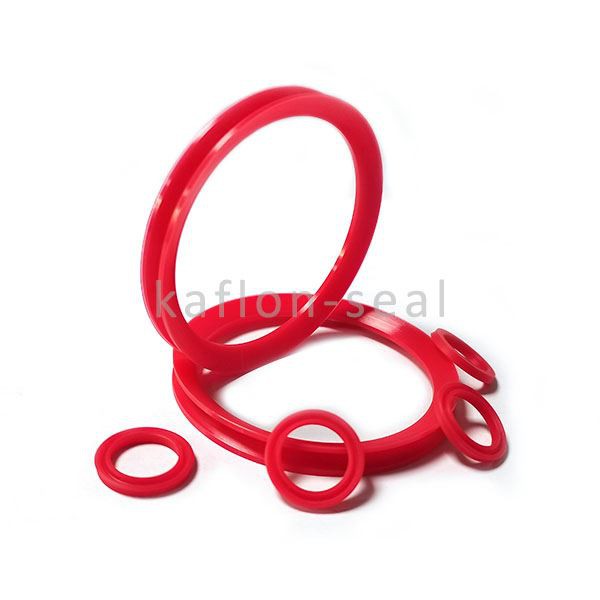
The aerospace industry also relies on high - pressure hydraulic systems. In aircraft, hydraulic seals are used in landing gear systems, flight control systems, and more. These seals need to be able to withstand extreme pressures and temperatures. Our Red PU Seal Hydrolysis Resistance is suitable for some aerospace applications where high pressure and resistance to hydrolysis are required.
Conclusion
So, there you have it! Hydraulic seals can withstand high - pressure conditions thanks to a combination of factors, including the right materials, proper design, high - quality manufacturing processes, and thorough testing. As a supplier of hydraulic seals, we're committed to providing our customers with the best - performing seals for their high - pressure applications.
If you're in the market for high - quality hydraulic seals that can withstand high pressure, we'd love to talk to you. Whether you're working on a construction project, an aerospace application, or any other high - pressure system, we have the expertise and products to meet your needs. Get in touch with us to start a conversation about your specific requirements.
References
- "Hydraulic Seals: Design, Selection, and Application" by John Doe
- "Materials for High - Pressure Hydraulic Systems" by Jane Smith