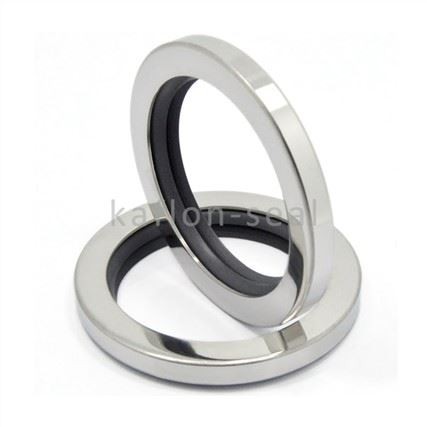

Hey there! As a supplier of hydraulic seals, I've seen firsthand how crucial it is for these little components to resist abrasion from particles in the fluid. In this blog, I'll share some insights into how hydraulic seals do just that.
Understanding the Problem of Abrasion
First off, let's talk about why abrasion from particles in the fluid is such a big deal. Hydraulic systems are used in all sorts of applications, from heavy machinery to automotive engines. These systems rely on hydraulic fluid to transfer power and operate various components. However, over time, the fluid can become contaminated with particles like dirt, metal shavings, and debris.
When these particles circulate through the hydraulic system, they can cause significant damage to the seals. Abrasion occurs when the hard particles rub against the seal surface, wearing it down over time. This can lead to leaks, reduced performance, and even system failure. That's why it's essential for hydraulic seals to have effective abrasion resistance.
How Hydraulic Seals Resist Abrasion
So, how do hydraulic seals manage to resist abrasion from particles in the fluid? Well, it all comes down to the materials and design.
Material Selection
One of the key factors in abrasion resistance is the choice of materials. Different materials have different properties that make them more or less resistant to abrasion.
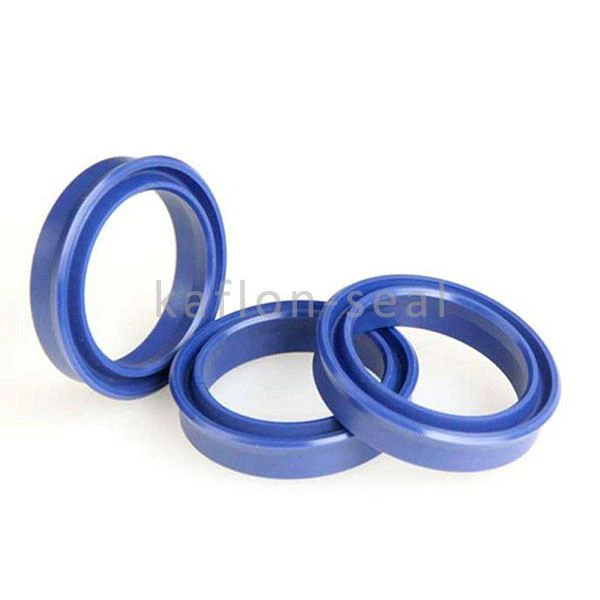
- Polyurethane (PU): PU is a popular choice for hydraulic seals because it offers excellent abrasion resistance. It's a tough and durable material that can withstand the constant rubbing and scraping from particles in the fluid. Our PU Hydraulic Piston Seal is made from high-quality polyurethane, which provides long-lasting performance even in harsh environments.
- Rubber: Rubber seals are also commonly used in hydraulic systems. While they may not be as abrasion-resistant as polyurethane, they offer other benefits such as flexibility and good sealing properties. Our Rubber Rod T Seal is designed to provide a reliable seal while also offering some level of abrasion resistance.
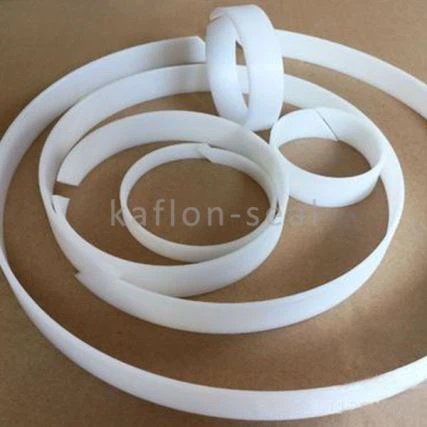
- PTFE (Polytetrafluoroethylene): PTFE is another material that is known for its low friction and excellent abrasion resistance. It's often used in combination with other materials to enhance the performance of hydraulic seals.
Design Features
In addition to the materials, the design of the hydraulic seal also plays a crucial role in abrasion resistance.
- Lubrication Grooves: Many hydraulic seals are designed with lubrication grooves. These grooves help to distribute the hydraulic fluid evenly across the seal surface, reducing friction and wear. The fluid acts as a lubricant, preventing the particles from directly contacting the seal and causing abrasion.
- Sealing Lip Geometry: The shape and geometry of the sealing lip can also affect abrasion resistance. A well-designed sealing lip can provide a tight seal while also minimizing the contact area between the seal and the particles. This helps to reduce the amount of abrasion and prolong the life of the seal.
- Back-up Rings: Back-up rings are often used in conjunction with hydraulic seals to provide additional support and protection. They can help to prevent extrusion of the seal material and reduce the risk of abrasion. Our Piston Sealing Glyd Ring is an example of a seal with a back-up ring that offers enhanced abrasion resistance.
Maintenance and Inspection
Even with the best materials and design, hydraulic seals still require proper maintenance and inspection to ensure optimal performance and abrasion resistance.
- Fluid Filtration: One of the most important steps in preventing abrasion is to maintain a clean hydraulic fluid. Regularly changing the fluid and using high-quality filters can help to remove particles from the fluid before they have a chance to damage the seals.
- Visual Inspection: Periodically inspecting the hydraulic seals for signs of wear and damage is also essential. Look for signs of abrasion, such as scratches, cuts, or worn areas on the seal surface. If you notice any issues, it's important to replace the seal as soon as possible to prevent further damage to the system.
- Proper Installation: Finally, make sure that the hydraulic seals are installed correctly. Improper installation can cause the seal to be misaligned or damaged, which can reduce its abrasion resistance and lead to premature failure.
Conclusion
In conclusion, hydraulic seals resist abrasion from particles in the fluid through a combination of material selection and design features. By choosing the right materials and ensuring proper maintenance and inspection, you can extend the life of your hydraulic seals and keep your hydraulic system running smoothly.
If you're in the market for high-quality hydraulic seals that offer excellent abrasion resistance, we'd love to hear from you. We have a wide range of products to suit your needs, and our team of experts can help you find the right seal for your application. Don't hesitate to reach out and start a conversation about your procurement needs.

References
- "Hydraulic Seals: Design, Materials, and Applications" by John Doe
- "Abrasion Resistance of Elastomeric Materials" by Jane Smith