


 Popular Blog Posts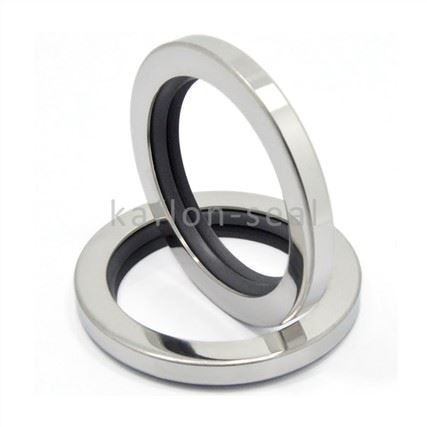


 Blog
BlogHey there! I'm a supplier of plastic seals, and one question that comes up a lot is, "Do plastic seals comply with medical regulations?" Well, let's dig into this topic and find out.
First off, plastic seals are used in a wide range of industries, and the medical field is no exception. In medical applications, plastic seals play a crucial role. They're used in things like medical devices, drug packaging, and even in some surgical equipment. But for these applications, they need to meet some pretty strict regulations.
One of the main concerns in the medical industry is safety. Plastic seals need to be made from materials that are non - toxic and won't leach any harmful substances into the medical products they're used with. For example, if a plastic seal is used in a drug vial, it can't contaminate the medicine. There are also regulations regarding the durability of the seals. They need to be able to withstand the conditions they'll be exposed to, like different temperatures and humidity levels.
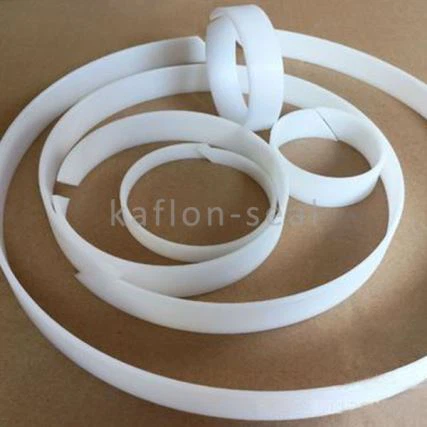
Let's talk about some of the materials we use for our plastic seals. We have the F260 PEEK. PEEK is a high - performance thermoplastic. It has excellent chemical resistance, which means it can handle contact with various medical chemicals without degrading. It's also biocompatible, which is a big deal in the medical world. Biocompatibility means that the material won't cause an adverse reaction when it comes into contact with living tissues. So, when we use F260 PEEK for our plastic seals, we're confident that they can meet many of the medical regulations related to safety and material compatibility.
Another material we offer is F265 POM. POM, or polyoxymethylene, is known for its high stiffness and low friction. In medical devices, these properties can be really useful. For example, in some small - scale medical instruments, a seal made from F265 POM can provide a tight fit and smooth operation. However, like all materials, POM needs to be tested to ensure it meets the specific medical regulations of different regions.
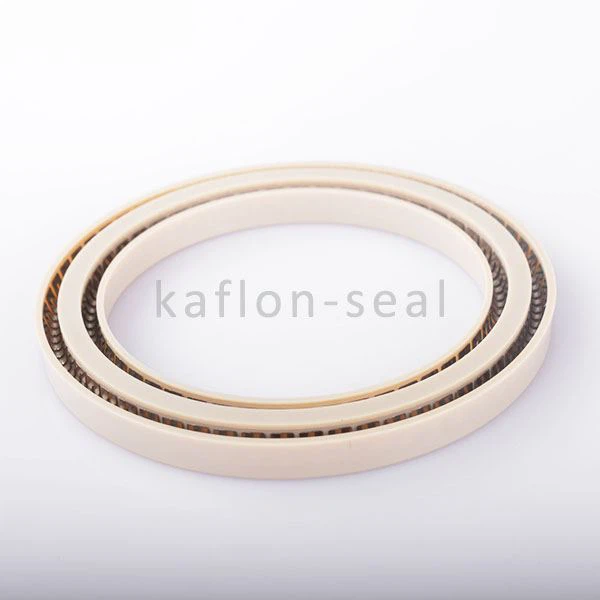
In China, we're a well - known T Seal Supplier China. The Chinese medical market has its own set of regulations, and we've been working hard to make sure our plastic seals comply. The Chinese government has been cracking down on sub - standard medical products, and rightfully so. We've invested a lot in research and development to ensure that our seals are up to par. We test our products in accredited laboratories to get the necessary certifications.
When it comes to international regulations, things get a bit more complicated. Different countries have different requirements. For example, in the United States, the Food and Drug Administration (FDA) has strict rules for medical devices and packaging. Our plastic seals need to go through a rigorous approval process if they're going to be used in products that will enter the US market. In Europe, the European Union has its own set of regulations under the Medical Device Regulation (MDR). This regulation covers everything from the design and manufacturing of medical products to their post - market surveillance.
To meet these international regulations, we work closely with regulatory experts. They help us understand the nuances of each region's rules. We also keep up - to - date with any changes in the regulations. For instance, if the FDA decides to change the requirements for a certain type of medical packaging seal, we need to be on top of it right away.
One of the challenges we face is the cost of compliance. Testing and certification can be expensive. But we see it as an investment. By ensuring that our plastic seals comply with medical regulations, we're not only providing a safe product for our customers but also building a good reputation in the market.
Now, you might be wondering how we ensure the quality of our plastic seals. We have a strict quality control process in place. From the raw materials we source to the final product, every step is monitored. We use advanced manufacturing techniques to ensure that each seal is consistent in terms of size, shape, and performance.
We also do a lot of in - house testing. We test the seals for things like tensile strength, hardness, and chemical resistance. And if a customer has specific requirements, we can customize our testing to meet those needs.
So, to answer the question, "Do plastic seals comply with medical regulations?" The answer is that it depends. At our company, we're committed to making sure that our plastic seals do comply. We use high - quality materials, follow strict manufacturing processes, and work hard to meet the regulations of different regions.
If you're in the medical industry and are looking for reliable plastic seals, we'd love to talk to you. Whether you need seals for a small - scale medical device or large - scale drug packaging, we have the expertise and the products to meet your needs. Don't hesitate to reach out for a consultation. We can discuss your specific requirements and see how our plastic seals can fit into your projects.
References

- "Medical Device Regulation in the United States," FDA Publications
- "European Union Medical Device Regulation (MDR)," EU Directives
- "Properties and Applications of PEEK in Medical Industry," Journal of Medical Materials Research
- "POM in Medical Devices: A Review," International Journal of Medical Engineering