


 Popular Blog Posts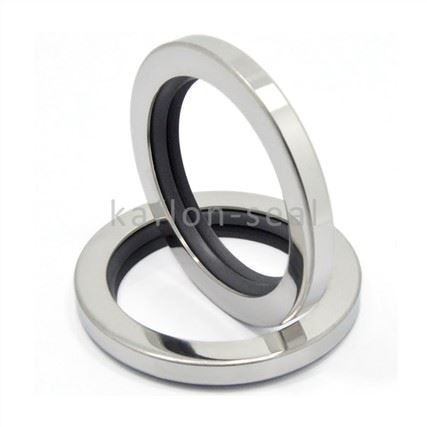


 Blog
BlogTeflon, chemically known as polytetrafluoroethylene (PTFE), is a remarkable synthetic fluoropolymer with a wide array of industrial applications. Its unique properties make it an attractive option for many engineering challenges, including those in hydraulic systems. As a Teflon seal supplier, I have witnessed firsthand the growing interest in using Teflon seals in hydraulic environments. In this blog post, we will explore the viability of Teflon seals in hydraulic systems, weighing their advantages and potential limitations.
Properties of Teflon that Make it Suitable for Hydraulic Systems
Chemical Resistance
One of the most significant advantages of Teflon is its exceptional chemical resistance. Hydraulic systems often use a variety of hydraulic fluids, including mineral oils, synthetic esters, and water-glycol mixtures. Teflon is resistant to most chemicals, solvents, and hydraulic fluids, which means it can maintain its integrity and performance in contact with these substances. This chemical inertness prevents degradation and swelling of the seal, ensuring a long service life and reliable sealing performance.
Low Friction Coefficient
Teflon has an extremely low coefficient of friction, which is a crucial property in hydraulic systems. In these systems, moving parts such as pistons and rods need to slide smoothly within cylinders. A low-friction seal reduces the energy required for operation, minimizes wear on the sealing surfaces, and helps prevent overheating. This not only improves the efficiency of the hydraulic system but also extends the lifespan of the components.
High Temperature Resistance
Hydraulic systems can generate significant heat during operation, especially under high loads or in continuous use. Teflon can withstand a wide range of temperatures, from -200°C to +260°C (-328°F to +500°F). This high-temperature resistance allows Teflon seals to maintain their shape, flexibility, and sealing properties even in harsh thermal environments, ensuring reliable performance in demanding hydraulic applications.
Dimensional Stability
Teflon exhibits excellent dimensional stability over a wide range of temperatures and pressures. This means that Teflon seals can maintain their precise shape and size, providing a consistent and reliable seal. In hydraulic systems, where tight tolerances are often required, dimensional stability is essential for preventing leakage and ensuring proper system operation.
Types of Teflon Seals for Hydraulic Systems
Wearable PTFE Oring Seal
The Wearable PTFE Oring Seal is a popular choice for hydraulic systems. These seals are designed to provide a reliable seal in dynamic applications, such as piston and rod seals. The PTFE material offers excellent wear resistance, which is crucial in hydraulic systems where there is constant movement and friction between the sealing surfaces. The oring design ensures a tight seal, preventing leakage of hydraulic fluid and maintaining system pressure.
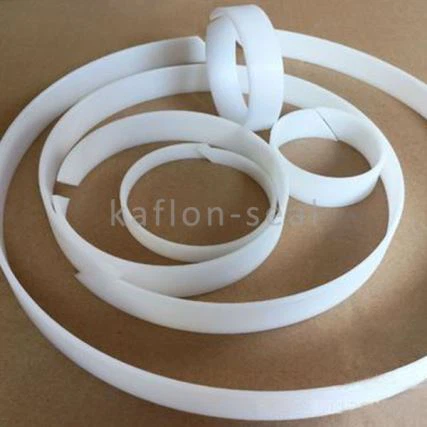
PTFE Filled With Carbon Back Up Ring
The PTFE Filled With Carbon Back Up Ring is another type of Teflon seal used in hydraulic systems. These back-up rings are typically used in conjunction with primary seals to prevent extrusion and improve sealing performance under high pressures. The carbon filling enhances the mechanical properties of the PTFE, such as its strength and hardness, making it more suitable for high-pressure applications.
PTFE Valve Seats Seal
PTFE Valve Seats Seal are used in hydraulic valves to ensure a tight seal and prevent leakage. These seals are designed to withstand the high pressures and rapid cycling of hydraulic valves. The chemical resistance and low friction coefficient of PTFE make it an ideal material for valve seats, ensuring smooth operation and long service life.
Challenges and Limitations of Using Teflon Seals in Hydraulic Systems
Cold Flow
One of the main limitations of Teflon is its tendency to cold flow, also known as creep. Cold flow occurs when a material deforms under a constant load over time, even at room temperature. In hydraulic systems, this can lead to a loss of sealing performance as the seal gradually deforms and loses its shape. To mitigate this issue, Teflon seals are often filled with other materials, such as glass fibers or carbon, to improve their dimensional stability and reduce cold flow.
Poor Elasticity
Teflon has relatively poor elasticity compared to other sealing materials, such as rubber. This means that Teflon seals may not be able to conform as easily to irregular surfaces or compensate for minor misalignments. In some cases, this can lead to leakage or reduced sealing performance. To address this limitation, Teflon seals are often used in combination with elastomeric components, such as O-rings, to provide a more flexible and reliable seal.
Cost
Teflon is a relatively expensive material compared to other sealing materials, such as rubber or silicone. This can make Teflon seals more costly to manufacture and purchase. However, the long service life, high performance, and reliability of Teflon seals often justify the higher cost, especially in critical hydraulic applications where downtime and maintenance costs are significant.
Conclusion
In conclusion, Teflon seals can be effectively used in hydraulic systems, thanks to their unique properties such as chemical resistance, low friction coefficient, high temperature resistance, and dimensional stability. However, they also have some limitations, such as cold flow, poor elasticity, and high cost. By understanding these advantages and limitations, hydraulic system designers and operators can make informed decisions about whether Teflon seals are the right choice for their specific applications.


As a Teflon seal supplier, we are committed to providing high-quality Teflon seals that meet the demanding requirements of hydraulic systems. Our team of experts can help you select the right type of Teflon seal for your application, taking into account factors such as system pressure, temperature, fluid compatibility, and sealing requirements. If you are interested in learning more about our Teflon seals or have any questions about using Teflon seals in your hydraulic system, please feel free to contact us for further discussion and procurement negotiation.
References
- "Handbook of Seal Technology" by John H. Bickford
- "Hydraulic System Design and Application" by George E. Totten
- "PTFE: Properties and Applications" by Carl A. Dostal