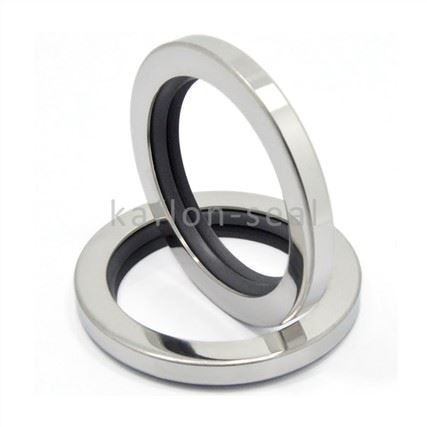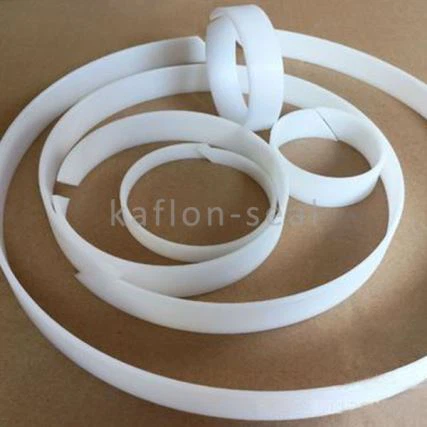

Hey there! I'm a supplier of Polyurethanes Seal, and today I wanna have a chat with you about whether Polyurethanes Seal can be used in textile machinery.
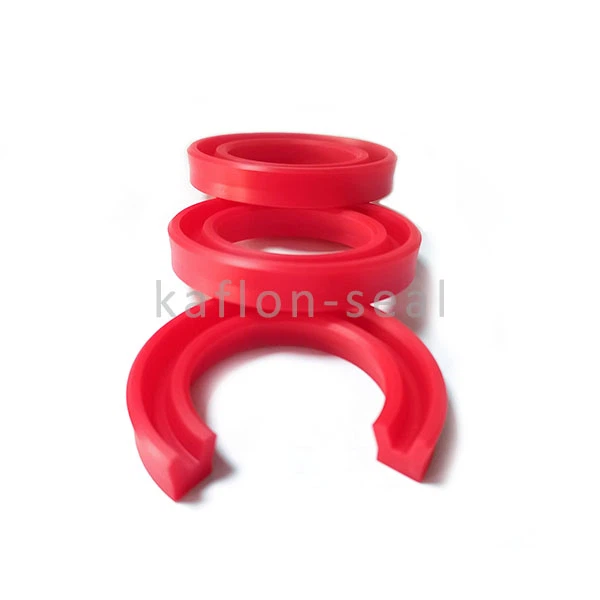

First off, let's get a bit of a background on Polyurethanes Seal. Polyurethanes are a super versatile class of polymers. They've got a whole bunch of great properties that make them suitable for a wide range of applications. Polyurethanes Seal, in particular, are known for their excellent abrasion resistance, high tensile strength, and good flexibility. These seals can be designed to fit different shapes and sizes, which is a huge plus when it comes to custom - fitting them into various machinery parts.
Now, let's dive into textile machinery. Textile machinery is complex and has a lot of moving parts. It needs seals that can withstand the rigors of continuous operation, high - speed movement, and exposure to different types of substances. The environment in a textile factory can be pretty harsh, with things like oils, greases, and dust floating around. So, the seals used in textile machinery have to be tough.
One of the key requirements for seals in textile machinery is resistance to oils. In textile manufacturing, paraffin oil is often used for lubrication. That's where our Paraffin Oil Resistance TPU Seal comes in handy. These seals are specifically designed to resist the effects of paraffin oil. They won't swell or degrade when in contact with the oil, which means they can maintain their sealing performance over a long period. This is crucial because if the seals start to break down due to oil exposure, it can lead to leaks, which can cause all sorts of problems in the machinery, like reduced efficiency and even damage to other components.
Another important aspect is the need for good lubrication within the seals themselves. Textile machinery operates at high speeds, and friction can be a major issue. That's why we offer Polyurethane Filled With Solid Lubricants. These seals have solid lubricants incorporated into the polyurethane matrix. This provides self - lubrication, reducing friction between the moving parts of the machinery. Less friction means less wear and tear on the seals and other components, which can extend the lifespan of the machinery and reduce maintenance costs.
In addition to oil resistance and self - lubrication, textile machinery also deals with substances like fats. Our Fat Tolerance TPU Seal is specifically engineered to handle exposure to fats. Fats can be sticky and can cause seals to lose their flexibility or become clogged. But these fat - tolerant seals can maintain their integrity and sealing ability even when in contact with fats. This ensures that the machinery can operate smoothly without any issues related to fat accumulation.
When it comes to the mechanical properties of Polyurethanes Seal, they are well - suited for textile machinery. The high tensile strength of polyurethanes means that the seals can withstand the forces exerted on them during the operation of the machinery. They won't tear easily, even under high - stress conditions. And their flexibility allows them to conform to the shape of the sealing surfaces, providing a tight and reliable seal.
Moreover, Polyurethanes Seal are relatively easy to install. They can be molded into different shapes, so they can be made to fit exactly into the various parts of textile machinery. This ease of installation saves time and labor costs during the assembly or maintenance of the machinery.
However, like any product, there are also some considerations when using Polyurethanes Seal in textile machinery. For example, the temperature in a textile factory can vary. Some types of polyurethanes may have limitations in terms of temperature resistance. So, it's important to choose the right type of Polyurethanes Seal based on the specific temperature conditions in the factory. Also, the chemical composition of the substances in the textile manufacturing process can be complex. In some cases, certain chemicals may interact with the polyurethanes, so it's essential to test the seals in the actual working environment to ensure their long - term performance.
In conclusion, Polyurethanes Seal can definitely be used in textile machinery. Their excellent properties, such as oil resistance, self - lubrication, high tensile strength, and flexibility, make them a great choice for sealing applications in this industry. Whether it's resisting paraffin oil, handling fats, or reducing friction, our range of Polyurethanes Seal products can meet the diverse needs of textile machinery.
If you're in the textile machinery business and are looking for reliable sealing solutions, I'd love to have a chat with you. Let's discuss your specific requirements and see how our Polyurethanes Seal can fit into your machinery. Feel free to reach out for more information and to start a procurement discussion!
References
- "Polyurethane Materials: Properties and Applications" - A general reference on the properties and uses of polyurethanes.
- "Textile Machinery Design and Operation" - A book that details the requirements and challenges in textile machinery, which helps in understanding the needs for seals.