
Yo, folks! As a supplier of hydraulic seals, I get asked a ton of questions, but one that keeps popping up is, "Can hydraulic seals work in low - temperature environments?" Well, let's dig into this topic and find out.
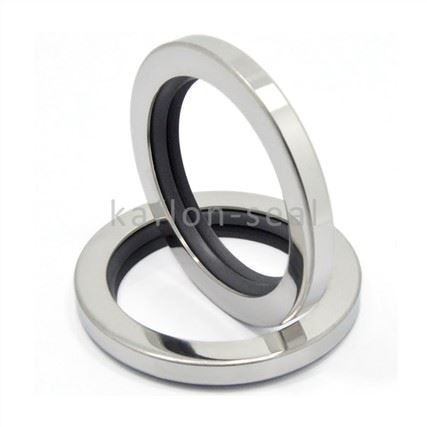
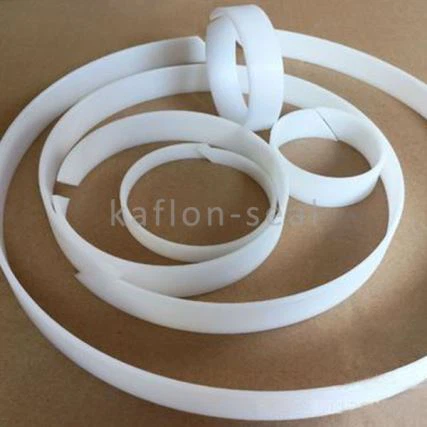
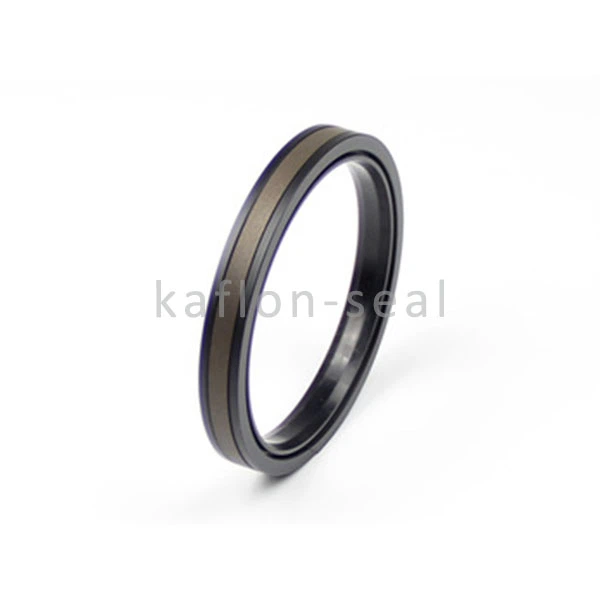
First off, we gotta understand how hydraulic seals generally work. Hydraulic seals are like the unsung heroes of the hydraulic system. They prevent fluid leakage, keep contaminants out, and ensure the system operates smoothly. You've got different types of seals, like the Hydraulic Linear Rod Seal, Double Acting PTFE With Rubber Seal, and Hydraulic Piston Seal. Each has its own job and characteristics, but they all play a crucial role in the overall performance of the hydraulic setup.
Now, let's talk about low - temperature environments. When the mercury drops, things start to change. Most materials, especially rubber - based ones, become stiffer and less flexible. This is a big deal for hydraulic seals because flexibility is key to their proper functioning. A seal that can't conform to the surfaces it's supposed to seal won't be able to do its job effectively.

The stiffness issue can lead to a bunch of problems. For starters, it can cause leaks. If the seal can't adapt to the movement of the components in the hydraulic system due to its stiffness, fluid can seep past it. This not only reduces the efficiency of the system but can also lead to costly repairs and downtime.
Another problem is increased wear and tear. When a seal is stiff, it doesn't move as smoothly. This can cause it to rub against the surfaces it's in contact with, leading to abrasion. Over time, this abrasion can damage the seal, shortening its lifespan and again, requiring more frequent replacements.
But hey, it's not all doom and gloom. There are ways to make hydraulic seals work in low - temperature environments. One option is to choose the right materials. Some materials are more resistant to low temperatures than others. For example, certain types of synthetic rubber compounds are formulated to maintain their flexibility even in cold conditions. These materials can be used to make seals that are better suited for low - temperature applications.
Another approach is to use additives. Additives can be mixed with the seal material to improve its low - temperature performance. They can help reduce the stiffness of the material and make it more pliable, which in turn improves the seal's ability to function properly in cold environments.
Proper installation and maintenance also play a huge role. In low - temperature environments, it's even more important to make sure the seals are installed correctly. Any misalignment or improper fitting can exacerbate the problems caused by the cold. Regular maintenance, including checking for leaks and signs of wear, can help catch issues early and prevent major breakdowns.
Let's take a closer look at some real - world scenarios. In industries like mining and oil and gas, equipment often operates in extremely cold regions. Hydraulic systems in these applications need seals that can withstand the low temperatures. For instance, in an oil rig operating in the Arctic, the hydraulic cylinders that control the drilling equipment rely on seals to keep the hydraulic fluid where it needs to be. If the seals fail due to the cold, it could lead to a halt in operations, which is incredibly costly.
On the other hand, in the automotive industry, hydraulic seals are used in various systems, like the braking system. In cold climates, these seals need to work properly to ensure the safety of the vehicle. If a brake seal fails because of the cold, it could have serious consequences.
So, to answer the question, yes, hydraulic seals can work in low - temperature environments, but it's not as simple as just slapping them in. You need to take into account the type of seal, the materials it's made of, and how it's installed and maintained.
If you're in the market for hydraulic seals that can handle low - temperature conditions, we're here to help. We've got a wide range of high - quality seals, including the Hydraulic Linear Rod Seal, Double Acting PTFE With Rubber Seal, and Hydraulic Piston Seal. Our team of experts can guide you through the selection process and make sure you get the right seals for your specific needs. Whether you're in a cold industrial setting or dealing with automotive applications, we've got the solutions. Don't hesitate to reach out and start a conversation about your hydraulic seal requirements. We're eager to work with you and help you keep your hydraulic systems running smoothly, even in the coldest of conditions.
References
- "Hydraulic Seals Handbook" by an industry expert (Publisher details to be added if available)
- Technical papers on low - temperature performance of rubber materials in hydraulic applications