


 Popular Blog Posts


 Blog
BlogCan a hydraulic piston seal be repaired?
As a supplier of Hydraulic Piston Seal, I've encountered numerous inquiries regarding the repairability of these crucial components. Hydraulic piston seals play a pivotal role in hydraulic systems, ensuring the efficient transfer of fluid power and preventing leakage. The question of whether they can be repaired is not only common but also significant for businesses aiming to optimize costs and extend the lifespan of their equipment.
Understanding Hydraulic Piston Seals
Before delving into the repair possibilities, it's essential to understand what hydraulic piston seals are and how they function. Hydraulic piston seals are designed to seal the gap between the piston and the cylinder bore in a hydraulic cylinder. They are subjected to high pressures, abrasive particles, and varying temperatures, which can cause wear and tear over time.
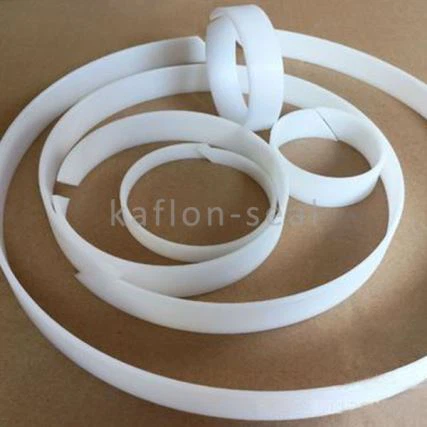
These seals are typically made from materials such as rubber, polyurethane, or PTFE, each with its own set of properties and advantages. For instance, rubber seals offer excellent flexibility and resistance to abrasion, while PTFE seals are known for their low friction and chemical resistance. Hydraulic PTFE Guide Ring Seal is a specific type that combines the benefits of PTFE with the guiding function, enhancing the overall performance of the hydraulic system.
Factors Affecting Repairability
The repairability of a hydraulic piston seal depends on several factors, including the type and extent of damage, the material of the seal, and the operating conditions of the hydraulic system.
Type and Extent of Damage
Minor damage, such as surface scratches or small cuts, may be repairable. In some cases, these damages can be smoothed out or filled with a suitable sealant. However, if the damage is extensive, such as a large tear or significant wear, repair may not be feasible. For example, a seal that has been compressed beyond its elastic limit or has suffered from chemical degradation is unlikely to be restored to its original functionality.
Material of the Seal
The material of the seal also plays a crucial role in determining its repairability. Some materials, like rubber, are more forgiving and can withstand certain types of repairs. For instance, a rubber seal with a small cut can sometimes be patched using a rubber adhesive. On the other hand, materials like PTFE are more difficult to repair due to their low surface energy and chemical inertness.


Operating Conditions
The operating conditions of the hydraulic system can also impact the repairability of the seal. Seals in high-pressure or high-temperature environments are more likely to experience severe damage, which may limit the effectiveness of repairs. Additionally, if the hydraulic fluid contains abrasive particles or contaminants, these can cause further damage to the seal, even after a repair has been attempted.
Repair Methods
When considering the repair of a hydraulic piston seal, there are several methods that can be employed, depending on the type and extent of damage.
Surface Smoothing
For seals with minor surface scratches or roughness, surface smoothing can be an effective repair method. This can be done using fine-grit sandpaper or a polishing compound to remove the rough areas and restore the smooth surface of the seal. However, it's important to ensure that the smoothing process does not alter the dimensions or shape of the seal.
Sealant Application
In cases where there are small cuts or holes in the seal, a suitable sealant can be applied to fill the damaged area. The sealant should be compatible with the material of the seal and the hydraulic fluid. For rubber seals, a rubber adhesive or a silicone-based sealant can be used. However, it's important to note that this method may only be a temporary solution, and the seal may need to be replaced in the long term.
Reconditioning
Reconditioning involves restoring the seal to its original shape and dimensions. This can be done through processes such as heat treatment or compression molding. However, reconditioning requires specialized equipment and expertise, and it may not be suitable for all types of seals.
Advantages and Disadvantages of Repairing
Repairing a hydraulic piston seal can have both advantages and disadvantages.
Advantages
- Cost Savings: Repairing a seal is generally less expensive than replacing it, especially if the damage is minor. This can result in significant cost savings for businesses, particularly those with a large number of hydraulic systems.
- Reduced Downtime: Repairing a seal can often be done more quickly than replacing it, which can minimize downtime and keep the hydraulic system operational. This is particularly important in industries where continuous operation is critical, such as manufacturing or construction.
Disadvantages
- Limited Lifespan: A repaired seal may not have the same lifespan as a new one. The repaired area may be more prone to failure, and the seal may need to be replaced sooner than expected.
- Uncertain Performance: The performance of a repaired seal may be uncertain, especially if the repair method is not properly executed. This can lead to issues such as leakage or reduced efficiency in the hydraulic system.
When to Replace
While repair can be a viable option in some cases, there are situations where replacement is the better choice.
- Extensive Damage: If the damage to the seal is extensive, such as a large tear or significant wear, replacement is usually the most practical solution. A severely damaged seal is unlikely to be restored to its original functionality, and attempting to repair it may only lead to further problems.
- Repeated Damage: If a seal has been repaired multiple times and continues to experience problems, it may be time to replace it. This indicates that the seal is not suitable for the operating conditions of the hydraulic system, and a new seal with different properties may be required.
- Compatibility Issues: If the seal is not compatible with the hydraulic fluid or the operating conditions, replacement is necessary. Using an incompatible seal can lead to premature failure and damage to the hydraulic system.
Conclusion
In conclusion, the question of whether a hydraulic piston seal can be repaired depends on several factors, including the type and extent of damage, the material of the seal, and the operating conditions of the hydraulic system. While minor damage can sometimes be repaired using methods such as surface smoothing, sealant application, or reconditioning, extensive damage or repeated problems may require replacement.
As a supplier of Hydraulic Piston Seal and OEM CPU Seal, we understand the importance of providing high-quality products and reliable solutions. If you are facing issues with your hydraulic piston seals and are unsure whether to repair or replace them, we encourage you to contact us for professional advice. Our team of experts can assess your situation and recommend the best course of action to ensure the optimal performance of your hydraulic system. Whether you need a repair service or a new seal, we are here to assist you. Contact us today to discuss your requirements and explore the possibilities of working together.
References
- "Hydraulic Seals Handbook" by John M. Campbell
- "Fluid Power Technology" by Anthony Esposito
- Industry standards and guidelines related to hydraulic systems and seals