


 Popular Blog Posts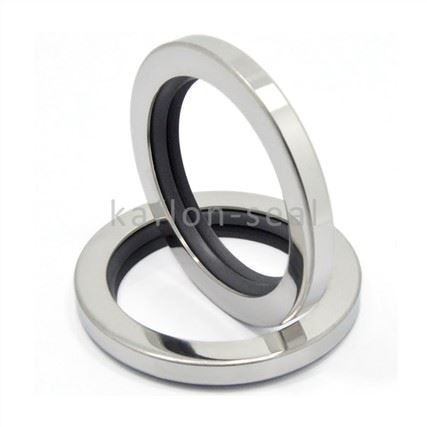



 Blog
BlogHey there! As a Teflon seal supplier, I often get asked about the environmental friendliness of Teflon seals. It's a hot topic these days, and rightfully so. We're all becoming more conscious of our impact on the planet, and it's crucial to understand how the products we use fit into the bigger environmental picture. So, let's dive in and explore whether Teflon seals are environmentally friendly or not.
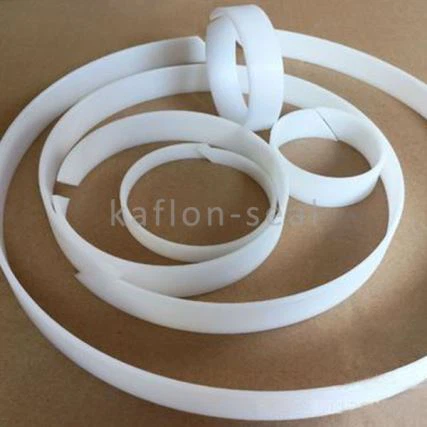
First off, let's talk a bit about what Teflon seals are. Teflon, also known as polytetrafluoroethylene (PTFE), is a synthetic fluoropolymer. It's got some pretty amazing properties that make it a popular choice for seals. It's highly resistant to heat, chemicals, and wear, which means it can last a long time in tough conditions. This durability is one of the reasons why Teflon seals are used in a wide range of industries, from automotive to aerospace.
One of the main concerns when it comes to the environmental impact of any product is its production process. The production of Teflon does involve some chemicals that can be harmful to the environment. For example, perfluorooctanoic acid (PFOA) was used in the past during the manufacturing of PTFE. PFOA is a persistent organic pollutant that can stay in the environment for a long time and has been linked to various health issues. However, in recent years, the industry has made significant changes. Most manufacturers have phased out the use of PFOA in the production of Teflon. So, the current production methods are much cleaner and less harmful to the environment.
Another aspect to consider is the energy consumption during production. Making Teflon seals requires a certain amount of energy, especially for processes like extrusion and molding. But, many companies are now looking for ways to reduce their energy consumption. They're investing in more energy - efficient equipment and using renewable energy sources where possible. This helps to lower the carbon footprint associated with Teflon seal production.
Now, let's look at the lifespan of Teflon seals. As I mentioned earlier, Teflon seals are very durable. They can withstand high temperatures, pressures, and chemical exposure without breaking down easily. This means that they don't need to be replaced as often as other types of seals. For example, if you're using a Teflon seal in a machine, it might last for years compared to a rubber seal that could need replacement every few months. By reducing the frequency of replacements, we're also reducing the amount of waste generated. Fewer seals being discarded means less material going into landfills.
However, when it comes to disposal, Teflon is not biodegradable. Once a Teflon seal reaches the end of its life, it won't break down naturally in the environment. But, there are some recycling options available. Some companies specialize in recycling Teflon products. They can break down the used Teflon and reuse it in the production of new products. This helps to close the loop and reduce the demand for virgin materials.
Let's take a look at some of the specific Teflon seals we offer. We have the F209 20% Carbon Fiber Filled TFM. This type of seal combines the excellent properties of Teflon with the added strength and conductivity of carbon fiber. It's used in applications where high - performance is required, like in high - speed machinery. The carbon fiber filling also helps to improve the wear resistance of the seal, further extending its lifespan.
Another product is the F205 10% Glass Fiber Filled PTFE. The glass fiber filling enhances the mechanical properties of the PTFE, making it more rigid and dimensionally stable. This seal is great for applications where precise sealing is needed, such as in hydraulic systems. The longer lifespan of these seals due to the enhanced properties means less waste over time.
We also have the Static Sealing Encapsulated FKM ORING. This seal combines the flexibility of FKM (fluorocarbon rubber) with the chemical resistance of Teflon. It provides an excellent seal in static applications and is designed to last a long time. The combination of materials helps to optimize performance and reduce the need for frequent replacements.
In terms of the overall environmental impact, when you compare Teflon seals to other types of seals, they can actually be a more sustainable choice in many cases. For example, rubber seals often have a shorter lifespan and may need to be replaced more frequently. This leads to more waste being generated. And some rubber compounds can also be difficult to recycle. Teflon seals, on the other hand, with their long lifespan and potential for recycling, can be a better option from an environmental perspective.
But, we can't just stop here. As a supplier, we're always looking for ways to make our products even more environmentally friendly. We're constantly researching and developing new materials and production methods. We're also working with our customers to educate them about the proper use and disposal of Teflon seals. By promoting best practices, we can all contribute to a more sustainable future.
If you're in the market for Teflon seals, I encourage you to reach out and have a chat with us. We can help you choose the right product for your specific application, taking into account both performance and environmental considerations. Whether you're in the automotive industry looking for a seal that can withstand high - temperature engine conditions or in the chemical industry needing a seal that's resistant to corrosive chemicals, we've got you covered.
In conclusion, while the production of Teflon seals did have some environmental concerns in the past, the industry has come a long way. The current production methods are much cleaner, and the durability of Teflon seals helps to reduce waste. With the availability of recycling options, Teflon seals can be a relatively environmentally friendly choice. So, if you're looking for high - performance seals that are also conscious of the environment, give Teflon seals a try.


References
- "Environmental Impact of Fluoropolymers" - Journal of Environmental Science and Technology
- "Advances in Teflon Production and Sustainability" - Industrial Chemistry Review
- "Recycling of Teflon Products: Current Trends and Future Prospects" - Waste Management Journal