


 Popular Blog Posts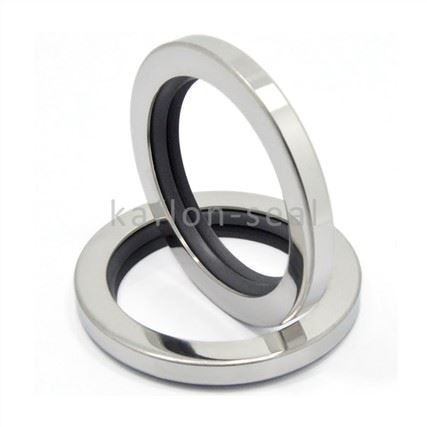


 Blog
BlogHey there! As a supplier of Rotary Glyd Rings, I often get asked if these nifty little seals are compatible with different fluids. Well, let's dive right into it and find out!
First off, what are Rotary Glyd Rings? They're a type of rotary shaft seal designed to keep fluids in and contaminants out. They're used in a wide range of applications, from automotive to industrial machinery. But the big question is, how well do they work with different types of fluids?
Compatibility with Hydraulic Fluids
Hydraulic systems are everywhere, and they rely on high - quality seals to function properly. Rotary Glyd Rings are generally a great fit for most hydraulic fluids. Mineral - based hydraulic oils are the most common type, and Rotary Glyd Rings made from materials like PTFE (polytetrafluoroethylene) can handle them like a champ. PTFE has excellent chemical resistance, which means it won't break down or degrade when in contact with mineral oils.
The PTFE Stainless Rotary Shaft Seal is a prime example. It combines the durability of stainless steel with the chemical resistance of PTFE. This makes it ideal for use in hydraulic systems where the fluid is a mineral - based oil. It can withstand the high pressures and temperatures often found in these systems without losing its sealing properties.
Working with Synthetic Fluids
Synthetic hydraulic fluids are becoming more popular due to their superior performance in extreme conditions. These fluids can offer better lubrication, higher temperature resistance, and improved fire resistance compared to mineral - based oils. Rotary Glyd Rings can also be compatible with many synthetic fluids, but it's important to choose the right material.
Some synthetic fluids, like phosphate esters, can be quite aggressive. In these cases, you need a Rotary Glyd Ring made from a material that can resist chemical attack. PTFE is again a good choice, as it has a high resistance to a wide range of chemicals. The Radial Shaft Seals With PTFE Lips are designed to work well with synthetic fluids. The PTFE lips provide a tight seal, preventing the fluid from leaking out and keeping contaminants from getting in.
Compatibility with Water - Based Fluids
Water - based fluids are used in some applications where fire safety is a concern or where environmental regulations require the use of less toxic fluids. Rotary Glyd Rings can be used with water - based fluids, but there are some considerations.
Water can cause corrosion, so the material of the Rotary Glyd Ring needs to be corrosion - resistant. Stainless steel components can help with this, and PTFE is also a good option as it doesn't react with water. However, the seals need to be designed to handle the lower viscosity of water - based fluids compared to oils. The Friction Coefficients PTFE Oil Seal Seal takes into account the unique properties of different fluids, including water - based ones. It's designed to maintain a good seal even with the lower viscosity of water.
Challenges with Aggressive Chemicals
Not all fluids are friendly to seals. Some aggressive chemicals, like acids and alkalis, can quickly damage Rotary Glyd Rings if the wrong material is used. For example, strong acids can eat away at some rubber - based seals. In these cases, PTFE is almost always the go - to material.

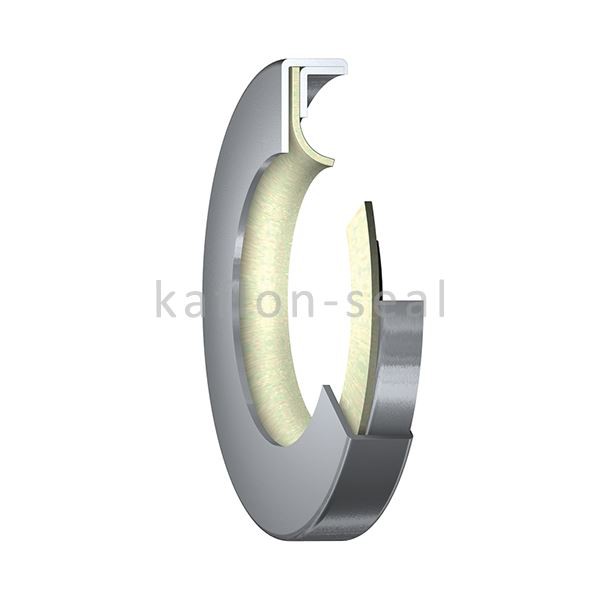
PTFE has a very low chemical reactivity, which means it can withstand exposure to many aggressive chemicals. However, even PTFE has its limits. In extremely harsh chemical environments, additional protective coatings or special designs may be required. It's crucial to consult with an expert to ensure that the Rotary Glyd Ring you choose can handle the specific aggressive chemical in your application.
Factors Affecting Compatibility
Apart from the type of fluid, there are other factors that can affect the compatibility of Rotary Glyd Rings. Temperature is a big one. High temperatures can cause some materials to expand or degrade, while low temperatures can make them brittle. The pressure in the system also matters. High - pressure applications require seals that can withstand the force without leaking.
The speed of the rotating shaft is another factor. At high speeds, the seal needs to be able to maintain a good contact with the shaft without generating too much friction. Friction can lead to heat buildup, which can further affect the performance and lifespan of the seal.
Testing for Compatibility
Before using a Rotary Glyd Ring in a new application with a specific fluid, it's a good idea to conduct some tests. You can do small - scale laboratory tests to see how the seal material reacts to the fluid over a period of time. Look for signs of swelling, cracking, or loss of flexibility.
Field testing is also important. Install the seal in a real - world application and monitor its performance. Check for leaks, changes in friction, and any other signs of wear or degradation. This hands - on approach can give you a better understanding of how the seal will perform in the long run.
Why Choose Our Rotary Glyd Rings
As a supplier, we take pride in offering high - quality Rotary Glyd Rings that are designed to be compatible with a wide range of fluids. Our seals are made from top - notch materials, and we use advanced manufacturing processes to ensure consistent quality.
We understand that every application is unique, and we're here to help you choose the right seal for your specific needs. Whether you're dealing with hydraulic fluids, synthetic fluids, water - based fluids, or aggressive chemicals, we have a solution for you.
Let's Talk!
If you're in the market for Rotary Glyd Rings and need to ensure compatibility with your fluids, don't hesitate to reach out. We're happy to have a chat about your application, answer your questions, and provide you with the best sealing solution. Let's work together to keep your systems running smoothly and efficiently.
References
- "Handbook of Sealing Technology" by Lebeck, A. O.
- "Seals and Sealing Handbook" by Dixon, R.