


 Popular Blog Posts


 Blog
BlogAs a seasoned supplier of hydraulic piston seals, I've witnessed firsthand the pivotal role these components play in the efficient operation of hydraulic systems. Hydraulic piston seals are essential for preventing fluid leakage, maintaining pressure, and ensuring the smooth movement of pistons within cylinders. However, like all mechanical parts, they are subject to wear and tear over time. In this blog, I'll share some effective maintenance measures that can significantly extend the life of hydraulic piston seals, helping you get the most out of your hydraulic systems.
1. Proper Installation
The installation process is the first critical step in ensuring the longevity of hydraulic piston seals. Incorrect installation can lead to immediate damage or premature failure. Here are some key points to keep in mind:


- Cleanliness: Before installation, ensure that all components, including the piston, cylinder bore, and seal, are thoroughly cleaned. Any dirt, debris, or contaminants can cause abrasion and damage to the seal. Use a clean, lint - free cloth and a suitable cleaning solvent recommended for hydraulic systems.
- Inspection: Carefully inspect the seal for any signs of damage, such as cuts, nicks, or deformities. Also, check the mating surfaces of the piston and cylinder for scratches or roughness that could damage the seal during operation.
- Lubrication: Apply a thin layer of compatible hydraulic fluid or a recommended lubricant to the seal and the mating surfaces. This reduces friction during installation and helps prevent damage to the seal.
- Proper Tools: Use the appropriate installation tools to avoid over - stretching or distorting the seal. For example, a seal installation sleeve can be used to ensure that the seal is evenly seated in the groove without being pinched or damaged.
2. Fluid Management
The quality and condition of the hydraulic fluid have a direct impact on the life of the piston seals. Here's how you can manage the hydraulic fluid effectively:
- Fluid Selection: Choose a hydraulic fluid that is compatible with the seal material. Different seal materials, such as nitrile rubber, fluorocarbon rubber, or polyurethane, have different chemical resistance properties. Using an incompatible fluid can cause swelling, hardening, or degradation of the seal.
- Fluid Contamination Control: Contaminants in the hydraulic fluid, such as dirt, metal particles, and water, can cause abrasion and corrosion of the piston seals. Implement a comprehensive fluid filtration system to remove these contaminants. Regularly change the filters according to the manufacturer's recommendations.
- Fluid Temperature and Viscosity: Maintain the hydraulic fluid at the recommended temperature and viscosity range. High temperatures can cause the fluid to break down and lose its lubricating properties, while low temperatures can increase the fluid's viscosity, leading to excessive pressure and stress on the seals. Use a temperature control system, such as a cooler or heater, to keep the fluid temperature within the optimal range.
3. Operating Conditions
The operating conditions of the hydraulic system can also affect the life of the piston seals. Here are some factors to consider:
- Pressure and Load: Avoid subjecting the hydraulic system to excessive pressure or load. Overloading can cause the seals to deform or extrude, leading to leakage and premature failure. Ensure that the system is designed and operated within the recommended pressure and load limits.
- Speed and Frequency: High piston speeds and frequent cycling can increase the wear on the seals. If possible, optimize the operating speed and frequency of the hydraulic system to reduce the stress on the seals.
- Shock and Vibration: Minimize shock and vibration in the hydraulic system. Sudden shocks can cause the seals to shift or become damaged, while excessive vibration can lead to fatigue failure. Use shock absorbers and vibration dampeners to protect the seals.
4. Regular Inspection and Maintenance
Regular inspection and maintenance are essential for detecting and addressing potential problems with the piston seals before they lead to major failures. Here's what you should do:
- Visual Inspection: Periodically inspect the piston seals for signs of wear, such as cracking, peeling, or extrusion. Check for fluid leakage around the seals, which could indicate a problem.
- Performance Monitoring: Monitor the performance of the hydraulic system, including pressure, flow rate, and temperature. Any significant changes in these parameters could be a sign of seal failure or other problems.
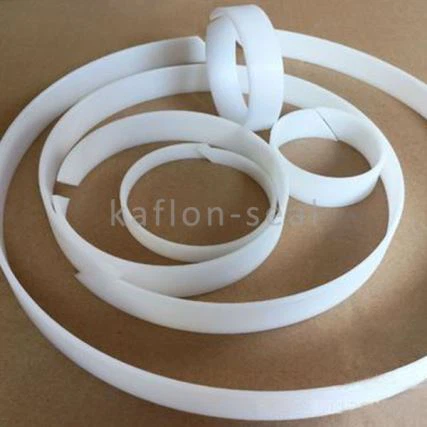
- Seal Replacement: Replace the piston seals at the recommended intervals or as soon as signs of wear or damage are detected. Using high - quality replacement seals, such as our TPU Hydraulic Seal PU Oring, Guiding Piston POM Guide Ring, and Piston Sealing U Ring, can ensure optimal performance and longevity.
5. Storage and Handling
Proper storage and handling of the piston seals are also important to maintain their quality and performance. Here are some guidelines:
- Storage Conditions: Store the seals in a cool, dry, and dark place away from direct sunlight, heat sources, and chemicals. Exposure to high temperatures, humidity, or chemicals can cause the seals to deteriorate.
- Packaging: Keep the seals in their original packaging or use a suitable protective container to prevent damage during storage and transportation.
- Handling Precautions: When handling the seals, avoid touching them with dirty hands or tools. Use clean gloves or tweezers to prevent contamination.
In conclusion, by following these maintenance measures, you can significantly extend the life of your hydraulic piston seals, reduce downtime, and save on replacement costs. As a trusted supplier of hydraulic piston seals, we are committed to providing high - quality products and expert advice to help you optimize the performance of your hydraulic systems. If you have any questions or need assistance with your hydraulic seal needs, please feel free to contact us for a procurement discussion.
References
- "Hydraulic Seals Handbook" by John Doe
- "Maintenance and Troubleshooting of Hydraulic Systems" by Jane Smith
- Manufacturer's technical manuals for hydraulic piston seals and related components