


 Popular Blog Posts



 Blog
BlogHey there! As a supplier of Rotary Shaft Seals, I often get asked about the working temperature range of these essential components. So, let's dive right into it and explore what temperatures these seals can handle.
First off, it's important to understand that the working temperature range of rotary shaft seals can vary quite a bit depending on the materials they're made from. Different materials have different properties that make them more or less suitable for specific temperature conditions.
Common Materials and Their Temperature Ranges
Nitrile Rubber (NBR)
Nitrile rubber is one of the most commonly used materials for rotary shaft seals. It's known for its good resistance to oil, fuel, and other petroleum-based fluids. The working temperature range for NBR seals typically falls between -40°C to 120°C (-40°F to 248°F). This makes it a great choice for a wide range of applications where the temperature doesn't get too extreme. For example, in automotive engines, NBR seals can handle the normal operating temperatures without any issues.
Fluoroelastomers (FKM)
FKM seals, also known as Viton seals, are another popular option. They offer excellent resistance to high temperatures, chemicals, and fuels. The working temperature range for FKM seals is usually from -20°C to 250°C (-4°F to 482°F). This makes them ideal for applications in industries like aerospace, chemical processing, and high-performance automotive. If you're dealing with a high-temperature environment where other materials might break down, FKM seals are a reliable choice.
Silicone Rubber (VMQ)
Silicone rubber seals have a wide temperature range and good flexibility. They can operate from -60°C to 230°C (-76°F to 446°F). VMQ seals are often used in applications where low-temperature flexibility is required, such as in refrigeration systems or in outdoor equipment that needs to withstand cold weather. However, they may not be as resistant to oils and fuels as NBR or FKM seals.
Polytetrafluoroethylene (PTFE)
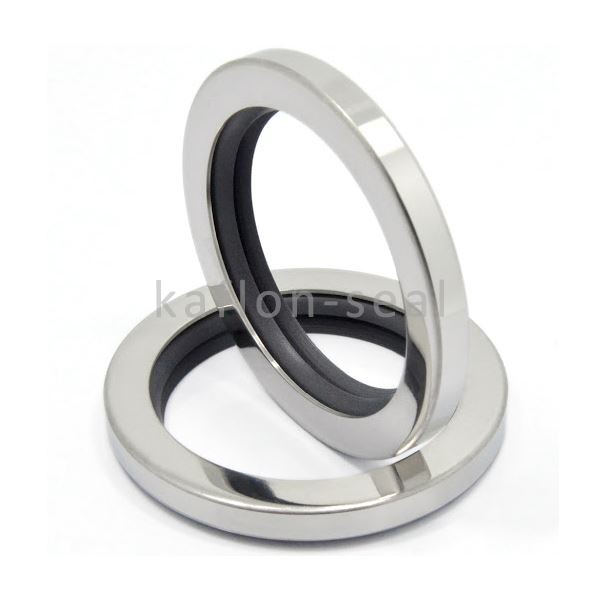
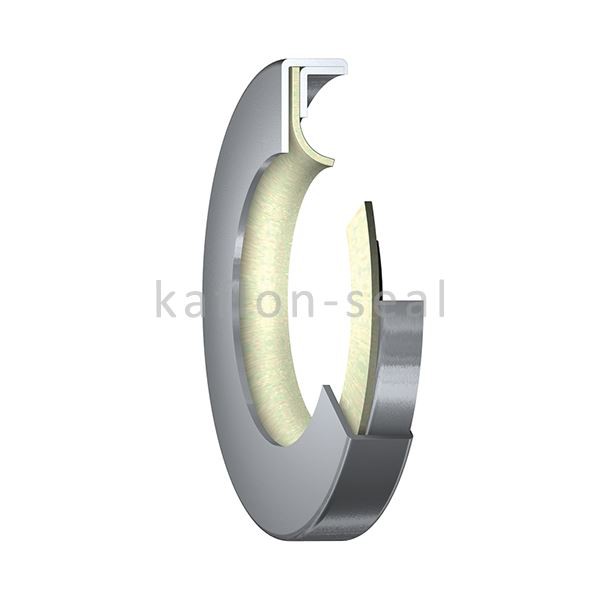
PTFE is a high-performance material known for its low friction coefficient and excellent chemical resistance. The working temperature range for PTFE seals can be quite broad, typically from -200°C to 260°C (-328°F to 500°F). PTFE seals are used in a variety of industries, including food processing, pharmaceuticals, and high-tech manufacturing. If you're looking for a seal that can handle extreme temperatures and harsh chemicals, PTFE Stainless Rotary Shaft Seal might be the right choice for you.
Factors Affecting the Temperature Range
It's not just the material that determines the working temperature range of a rotary shaft seal. There are several other factors that can have an impact as well.
Lubrication
Proper lubrication is crucial for the performance of a rotary shaft seal. Lubricants can help reduce friction and heat generation, which in turn can extend the life of the seal. If the lubricant breaks down at high temperatures, it can cause the seal to overheat and fail. On the other hand, if the lubricant is too thick at low temperatures, it can make the seal less flexible and increase the risk of leakage.
Shaft Speed
The speed at which the shaft rotates can also affect the temperature of the seal. Higher shaft speeds generate more friction and heat, which can push the seal to its temperature limits. When selecting a seal for a high-speed application, it's important to choose a material that can handle the additional heat.
Pressure
The pressure inside the system can also play a role in the working temperature of the seal. Higher pressures can increase the contact force between the seal and the shaft, which can lead to more friction and heat. Seals that are designed to handle high pressures may need to be made from materials with a higher temperature resistance.
Choosing the Right Seal for Your Application
When it comes to choosing the right rotary shaft seal for your application, it's important to consider the working temperature range along with other factors like the type of fluid, shaft speed, and pressure. Here are some tips to help you make the right choice:
-
Understand Your Application Requirements
- Determine the maximum and minimum temperatures that the seal will be exposed to. Consider any temperature fluctuations that may occur during operation.
- Identify the type of fluid that the seal will be in contact with. Different fluids can have different effects on the seal material.
- Know the shaft speed and pressure requirements of your system.
-
Research Seal Materials
- Look into the properties of different seal materials and their temperature ranges. Consider the advantages and disadvantages of each material for your specific application.
- Check if the seal material is compatible with the fluid and other components in your system.
-
Consult with a Seal Expert
- If you're not sure which seal is the best fit for your application, don't hesitate to reach out to a seal expert. They can provide you with valuable advice based on their experience and knowledge.
Our Range of Rotary Shaft Seals
As a supplier of rotary shaft seals, we offer a wide range of products to meet different temperature requirements. Our Double Lips PTFE Oil Seal is a great option for applications that require high-temperature resistance and low friction. It's designed to provide excellent sealing performance in a variety of environments.
We also have Friction Coefficients PTFE Oil Seal Seal, which is specifically engineered to reduce friction and wear. This seal is suitable for high-speed applications where minimizing heat generation is crucial.
Contact Us for More Information
If you're in the market for rotary shaft seals and need help choosing the right one for your application, we're here to assist you. Our team of experts can provide you with detailed information about our products and help you make an informed decision. Whether you're looking for a seal that can handle extreme temperatures or one that offers excellent chemical resistance, we have the solution for you.
So, don't hesitate to contact us if you have any questions or if you're ready to start a procurement discussion. We're committed to providing you with high-quality seals and exceptional customer service.
References
- "Handbook of Seal Technology" by Robert K. Stoffel
- "Sealing Technology for Rotating Equipment" by John P. Blair